
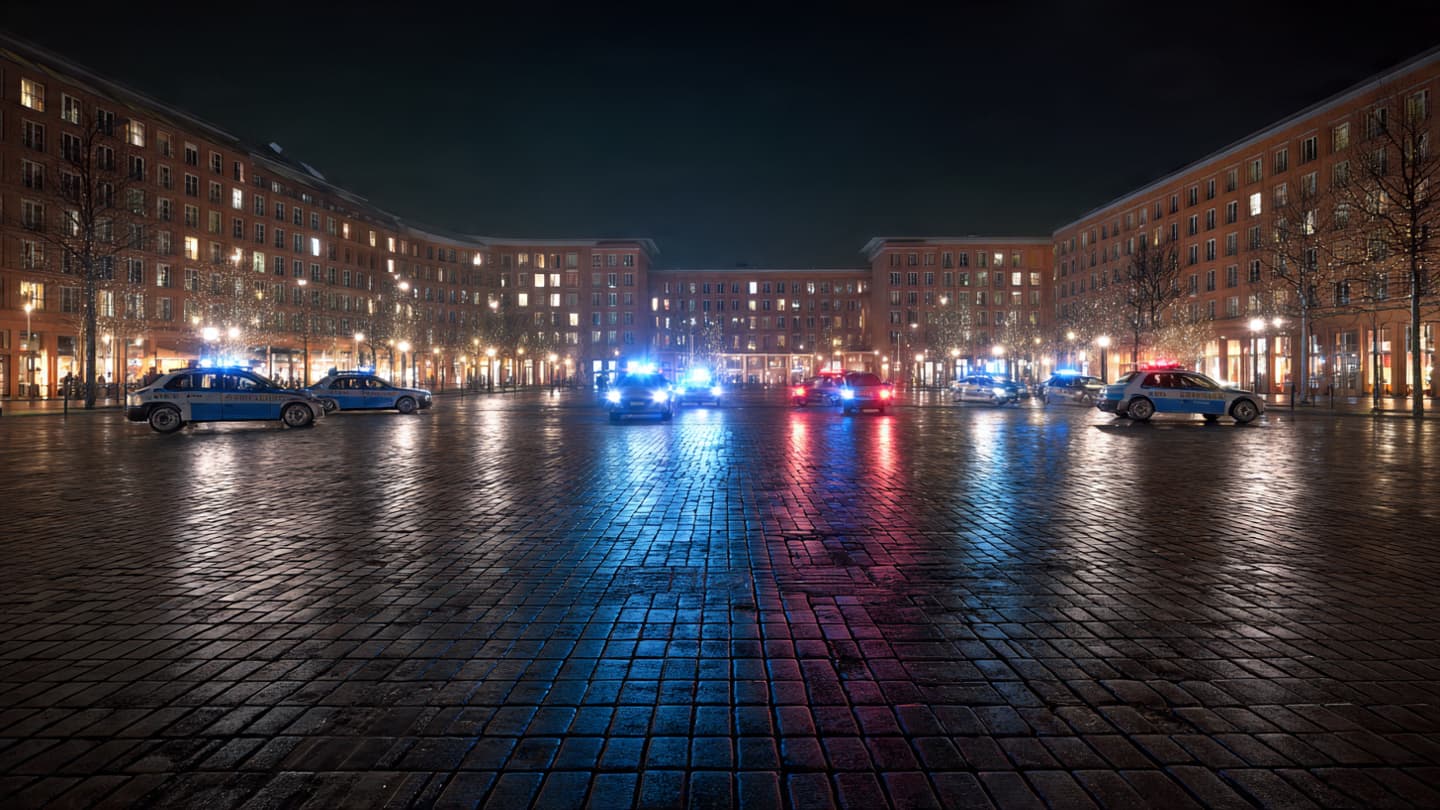
Key Highlights
- Recent tensions in Molenbeek led to police intervention.
- Community members expressed concerns over the incident's impact.
- The event reflects broader issues of urban life and social cohesion.
The streets of Molenbeek, a neighborhood rich in history and cultural diversity, recently became the backdrop for a significant incident that tested the community's resilience. Known for its narrow streets and vibrant life, Molenbeek is often characterized by the interplay of domesticity and public life. However, this week, the usual hum of daily activities was disrupted by a confrontation that escalated into a public disturbance, drawing the attention of law enforcement.
Witnesses described the scene as a mix of heated exchanges and palpable tension, with voices rising above the usual sounds of the neighborhood. The atmosphere shifted dramatically as police arrived, their presence transforming the street from a lively community space into a scene of order restoration. The intervention was swift, with officers working to de-escalate the situation and ensure the safety of all involved. This moment highlighted the delicate balance that exists in urban environments, where the vibrancy of community life can quickly turn into chaos.
Among those detained were individuals representing the diverse fabric of Molenbeek, underscoring the incident's impact on the community. The arrests were not just law enforcement actions; they marked a significant moment in the lives of those involved, as well as a broader commentary on the challenges faced by urban neighborhoods. The aftermath left residents reflecting on the fragility of peace in their community, where the actions of a few can reverberate throughout the entire district.
As the dust settled, conversations in local cafes turned to the underlying issues that led to the confrontation. Residents expressed a shared concern about the social dynamics at play, recognizing that such incidents can tarnish the reputation of their neighborhood. The community's collective memory is shaped by both its struggles and triumphs, and this event served as a stark reminder of the ongoing challenges they face.
In the days following the incident, the streets of Molenbeek began to return to their usual rhythm, but the echoes of the previous night's events lingered. The community's resilience was evident as shopkeepers and residents resumed their daily routines, yet the underlying tensions remained a topic of discussion. The incident prompted a period of reflection, as residents considered the importance of maintaining social cohesion in a neighborhood that has often been misunderstood.
As the sun rose over the Brussels-Charleroi Canal, casting a new light on the streets, the community began to reclaim its narrative. Molenbeek is not just a place marked by conflict; it is a vibrant neighborhood filled with stories of resilience and hope. The recent events serve as a catalyst for dialogue about the future of the community, emphasizing the need for understanding and collaboration among its residents.
In conclusion, the tensions in Molenbeek reflect broader societal issues that urban communities face today. As residents navigate the complexities of their environment, the importance of fostering a sense of belonging and mutual respect becomes increasingly clear. The streets of Molenbeek, with their rich history and diverse population, continue to be a testament to the enduring spirit of community life.
Published by Banx Network. This article is part of the Banx decentralized media programme, powered by the BXE token on the XRP Ledger.



