
Key Highlights
- Surge in Violence:Sinaloa experiences increased confrontations between criminal organizations.
- Safety Alert Issued:Authorities advise residents to limit non-essential travel amid rising tensions.
- Community Impact:The ongoing conflict disrupts daily life and threatens local economies.
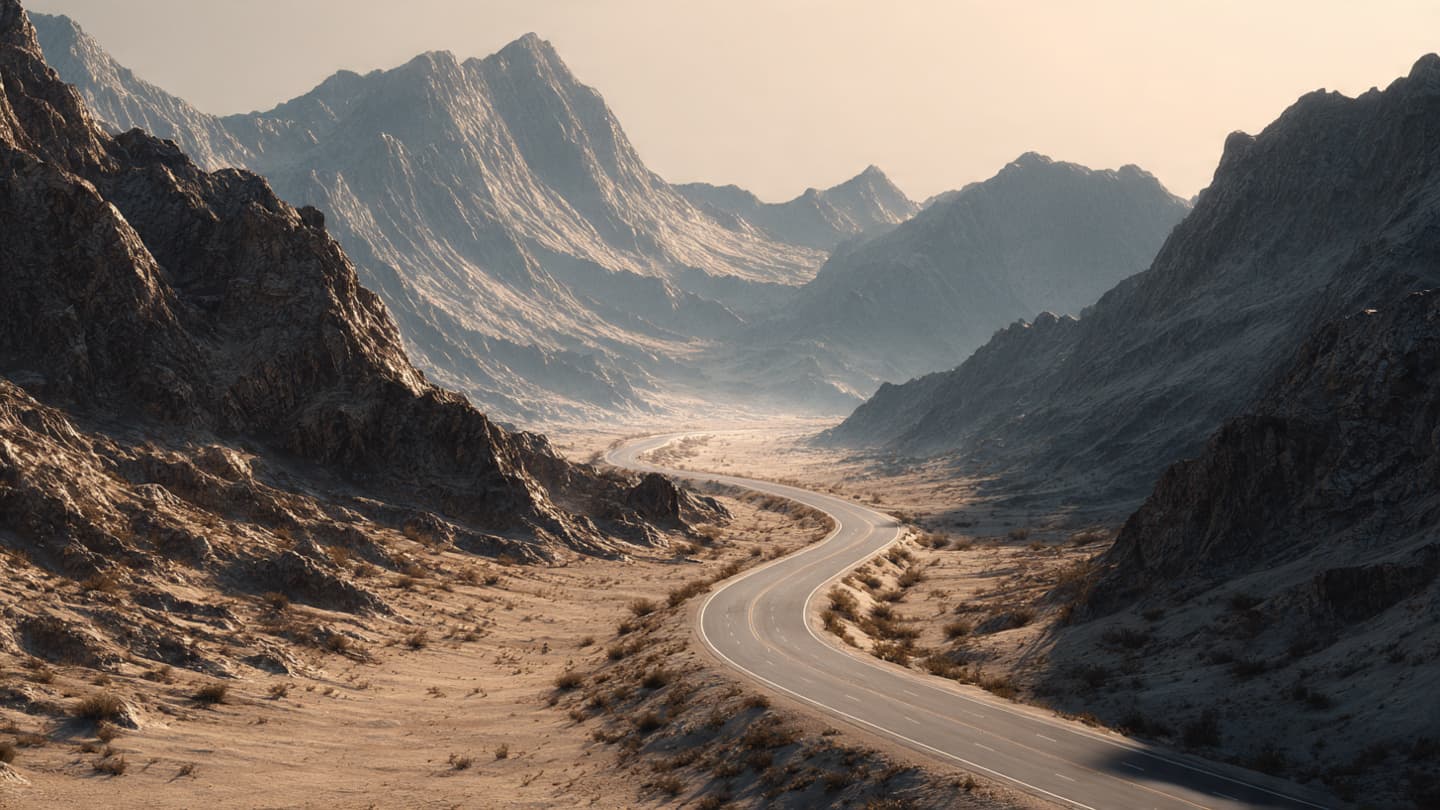
In the rugged heart of Sinaloa, where the mountains cast long shadows over the dusty roads of the interior, the air has grown thick with a familiar, somber tension. This land, known for its immense beauty and deep history, is currently a theater for conflict that moves with the unpredictability of a summer storm. The quiet of the rural landscape has been fractured by the sharp reports of gunfire, as rival groups contest the very ground that generations have farmed and traversed.
In response to the escalating violence, state authorities in Sinaloa have issued an urgent safety alert. Residents are advised to limit non-essential travel as security forces increase their presence to mitigate the impact of the ongoing armed clashes. The government’s call for caution reflects the volatility that has claimed the streets, turning daily life into a series of calculated risks. The rhythm of the day is now dictated by the sounds from the hills and the reports filtered through the digital grapevine. To move between towns is to navigate a geography that can change in an instant, transforming a familiar route into a passage of uncertainty.
An atmosphere of enforced stillness descends when armed groups move through. Shops close their shutters early, and the plazas, usually vibrant centers of community life, stand empty under the midday sun. This silence is not one of peace but of a collective breath held in anticipation. The conflict is not a single event but a series of ripples that disturb the social fabric, leaving behind a residue of anxiety that lingers long after the dust has settled.
Authorities have deployed additional patrols to the most affected areas, their presence a visible attempt to restore the order that has been violently discarded. The convoys move through the heat, a line of steel and resolve against a backdrop of uncertainty. Yet, in the vastness of the Sinaloan countryside, the reach of the law is often tested by the sheer scale of the terrain and the deep-seated complexities of the regional power dynamics.
The impact of these clashes extends far beyond immediate violence. It touches the economy of the region, the education of children, and the spirit of the people. Living in a state of constant vigilance leads to a slow erosion of the sense of home. The mountains, which should be a source of pride and protection, instead become places from which the unforeseen emerges, casting a pall over the valleys below.
Reports from the ground speak of roadblocks and the sudden appearance of armed men, obstacles that serve as physical manifestations of a deeper fracture. The international community watches with a mixture of concern and detachment, issuing travel advisories that label the region as a place to be avoided. For the residents, however, there is no elsewhere; there is only the task of persisting through the current darkness.
As the sun sets over the Pacific, painting the sky in hues of orange and violet, the beauty of the landscape stands in stark contrast to the human struggle unfolding within it. There is a whispered hope for a return to the days when the only sounds in the night were the wind and the cicadas. Until then, the warning remains in place—a sober reminder of the fragility of peace in a land caught between its past and present.
The resolution to such conflicts is rarely swift or simple. It requires mending more than just the roads; it necessitates restoring the belief that the law can provide a sanctuary for all. For now, the people of Sinaloa wait, watching the horizon for a sign that the storm has passed, while authorities continue their difficult, necessary work of reclaiming the quiet.
Published by Banx Network. This article is part of the Banx decentralized media programme, powered by the BXE token on the XRP Ledger.



