
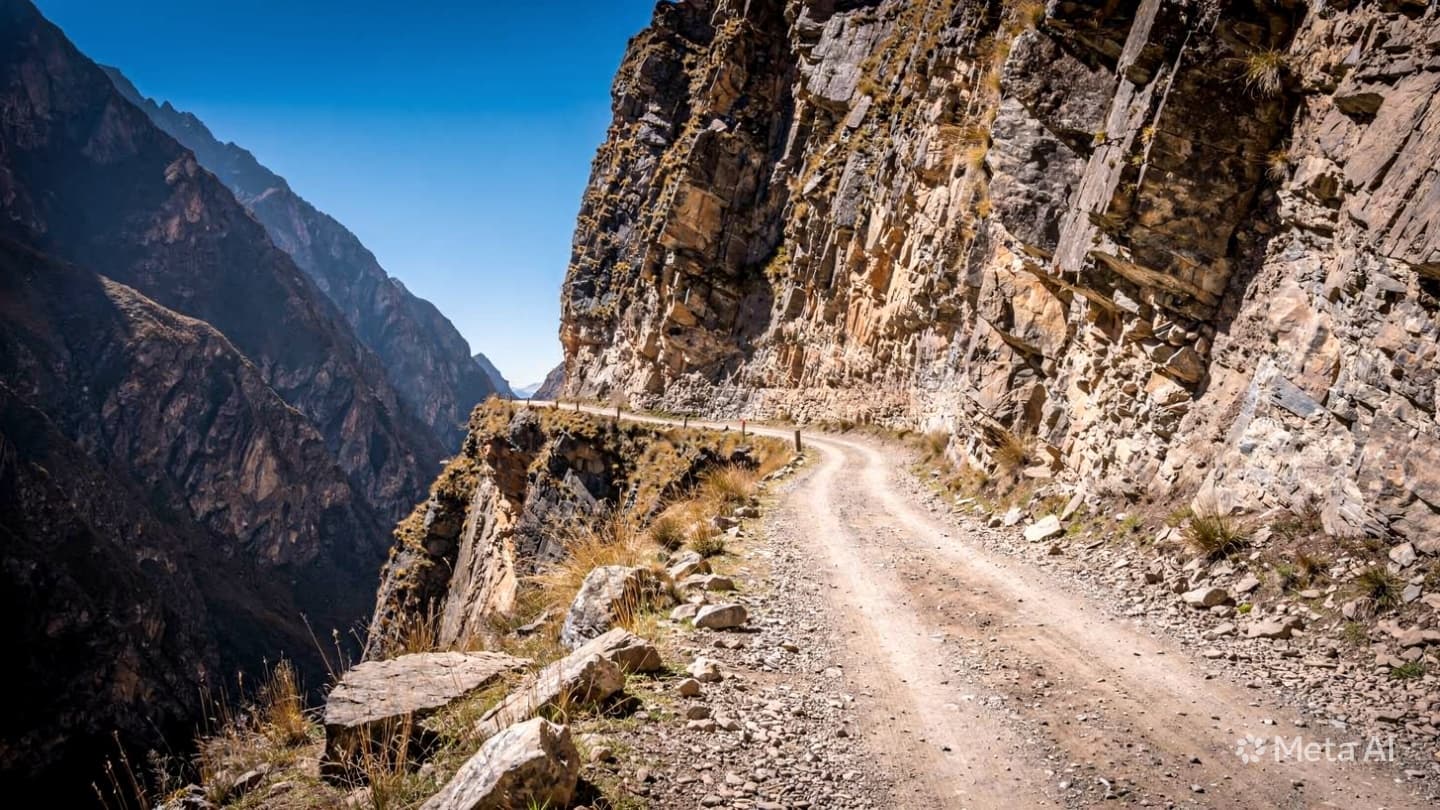
The geography of the Peruvian Andes is a masterclass in verticality, where narrow roads cling precariously to the edges of massive granite cliffs thousands of meters above the valley floors. These interprovincial routes are the vital lifelines connecting remote mountain communities with larger urban centers, traversing high passes where the air is thin and the weather can change in an instant. For the passengers who rely on regional bus services, the journey is a familiar routine dictated by the dramatic contours of the earth. The landscape demands a profound respect from those who navigate its twists and turns, offering little room for deviation from the established path.
In the early morning hours, a heavy mist often rises from the river basins below, wrapping the mountain curves in a shroud of damp obscurity. It is within this fragile environment that the routine of travel can be interrupted by the sudden, overwhelming force of gravity. A departure from the roadway into the deep ravines that characterize the range is a moment of absolute kinetic finality, shifting the narrative of a journey in a fraction of a second. The echoes of the descent are quickly absorbed by the immense scale of the mountains, leaving the surrounding peaks standing in silent witness to the event.
The logistical challenge of an emergency response in the high Andes is formidable, requiring search and rescue teams to navigate difficult terrain on foot and with specialized ropes. Local villagers are often the first to arrive, descending into the steep gorges with a quiet determination to offer whatever assistance they can to the survivors. The sound of whistles and calling voices punctures the mountain silence as responders work through the debris scattered along the rocky incline. The labor is physically exhausting, performed under the watchful gaze of condors circling in the thin air above.
The news of the descent ripples through the departure terminals and the small provincial squares, where families gather to seek information about their relatives. In these mountain communities, the interprovincial bus is not merely a vehicle but a shared social space where neighbors converse and goods are transported to market. The loss of life in a single incident is felt deeply across multiple villages, casting a collective shadow over the entire region. It brings a somber pause to the daily routine of agriculture and trade that sustains life in the high altitudes.
As the rescue operations extend into the afternoon, the difficulty of the terrain dictates a careful, deliberate pace for the recovery teams. The physical remnants of the transit are secured against the steep slope, while the injured are carefully transported upward to waiting ambulances on the roadway above. The mountain road itself remains quiet, traffic halted as the community focuses its resources on the valley floor below. The immense stone walls of the canyon remain indifferent to the human tragedy unfolding within their shadows.
The structural challenges of high-altitude transport infrastructure remain a central topic of discussion among regional authorities and safety advocates. The balance between maintaining accessible routes for remote populations and ensuring the structural integrity of mountain barriers is a delicate one. The memory of the morning will join the history of these challenging routes, serving as a reminder of the vigilance required to traverse the highest landscapes of the continent.
The National Police of Peru confirmed that an interprovincial passenger bus departed from the roadway and fell into a deep ravine in the central Andean region. The incident resulted in 15 confirmed casualties and left several other passengers injured, requiring a multi-agency rescue operation to retrieve individuals from the steep terrain. Emergency services and specialized mountain rescue units remain at the site to complete recovery efforts and initiate a formal technical investigation into the vehicle's mechanical condition prior to the accident.
Published by Banx Network. This article is part of the Banx decentralized media programme, powered by the BXE token on the XRP Ledger.


