
Key Highlights
- Recent mudslide in Nantou claims the lives of a family of four.
- Community grapples with grief and the implications for safety policies.
- Government initiates recovery efforts and evaluates hillside stability.
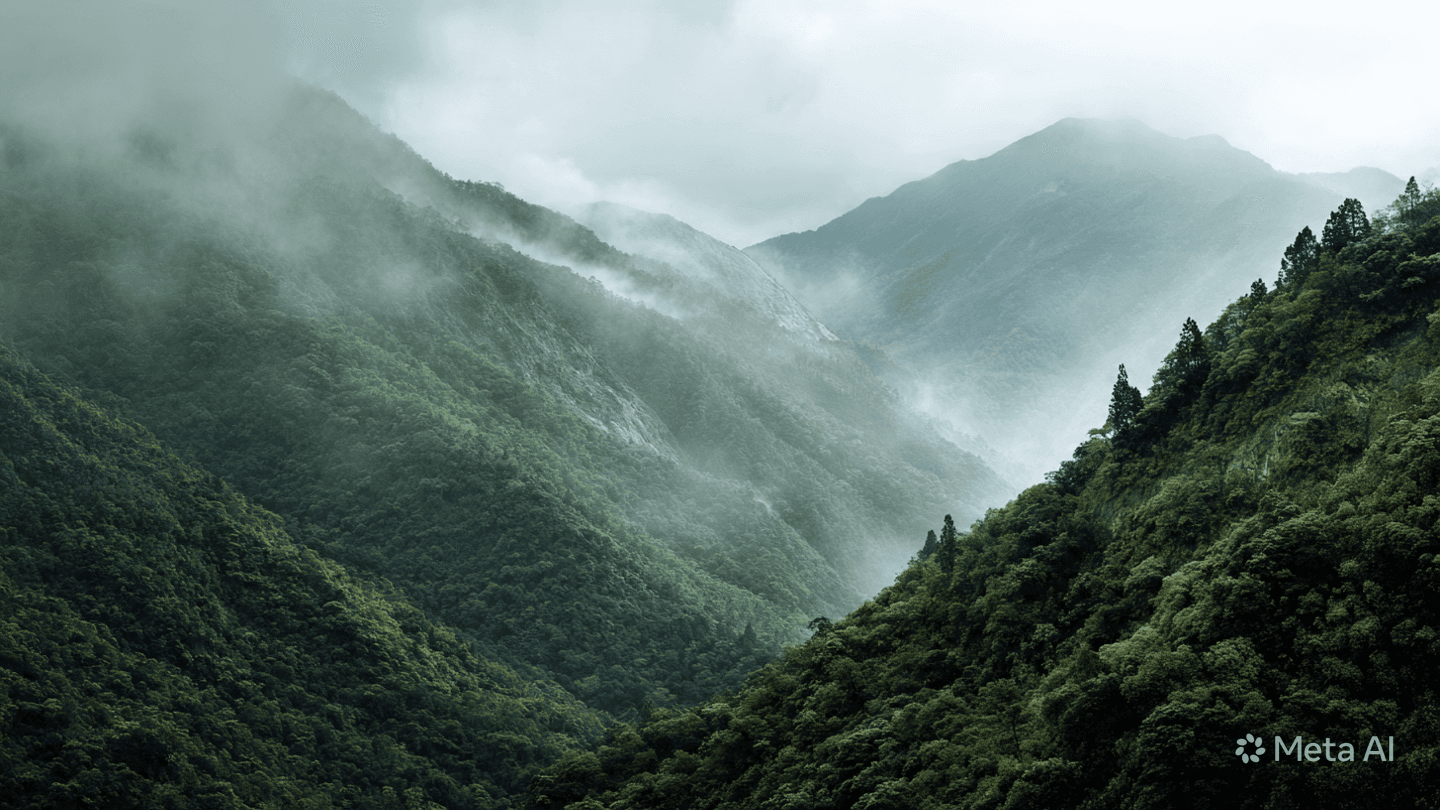
The mountainous regions of Nantou are known for their breathtaking beauty, characterized by emerald slopes that rise majestically into the clouds. However, this stunning landscape also harbors inherent volatility, shaped by the relentless forces of nature. The recent mudslide that devastated a family home serves as a poignant reminder of the fragility of human existence in the face of such powerful natural forces.
The disaster struck with alarming speed, as heavy rains saturated the slopes, leading to a catastrophic collapse of mud and rock. In mere moments, a family of four lost their home—a space filled with memories and daily life—erased from the hillside. This tragedy has sent shockwaves through the community, leaving behind an aching silence that echoes through the valleys. The loss is not just of a home, but of lives, dreams, and the sense of safety that comes with them.
In the aftermath, rescue teams have been tirelessly working amidst the debris, their efforts a solemn testament to the tragedy. The mud that blankets the hillside serves as a heavy reminder of the lives that were once vibrant there. As the community mourns, they confront the shared vulnerability of those who inhabit these mountainous terrains. This moment of collective grief is also a time for reflection, acknowledging the immense forces that govern the landscape we call home.
Investigations into the mudslide are underway, focusing on the geomorphology of the slope and analyzing historical weather patterns in the region. Experts are delving into the reasons behind the slide and whether current monitoring technologies could have mitigated the risks. However, beyond the technical aspects lies the human element—the profound loss and trauma experienced by a community now viewing the mountain with a mix of reverence and fear. This tragedy prompts a necessary exploration of the limits of our understanding and the dangers inherent in living in such dynamic environments.
Discussions following the mudslide have centered on the need for stricter land-use policies and the relocation of residents from high-risk areas. This ongoing debate weighs the importance of preserving the heritage of mountain communities against the moral obligation to protect their residents. It is a complex reckoning that forces the community to reassess their relationship with the mountain, recognizing it not only as a source of beauty but also as a potential threat that demands respect and caution.
As search and rescue operations conclude, the community begins the arduous journey of healing. The Nantou County government, in collaboration with the National Fire Agency, has transitioned from rescue to recovery efforts, providing emergency housing and counseling services to survivors in neighboring villages. Geotechnical experts are currently assessing the stability of the hillside to prevent future incidents, while a comprehensive evaluation of residential safety in high-risk mountainous zones has been announced.
Ultimately, the Nantou mudslide serves as a meditation on the permanence of change and the vulnerability of human existence. We build our lives on the surface of a powerful, shifting world, and such tragedies remind us of our dependence on the very landscapes that can also undo us. By fostering a culture of safety and a profound respect for the geological realities of the mountains, we can continue to cherish these regions while remaining mindful of the ground beneath us.
Published by Banx Network. This article is part of the Banx decentralized media programme, powered by the BXE token on the XRP Ledger.



