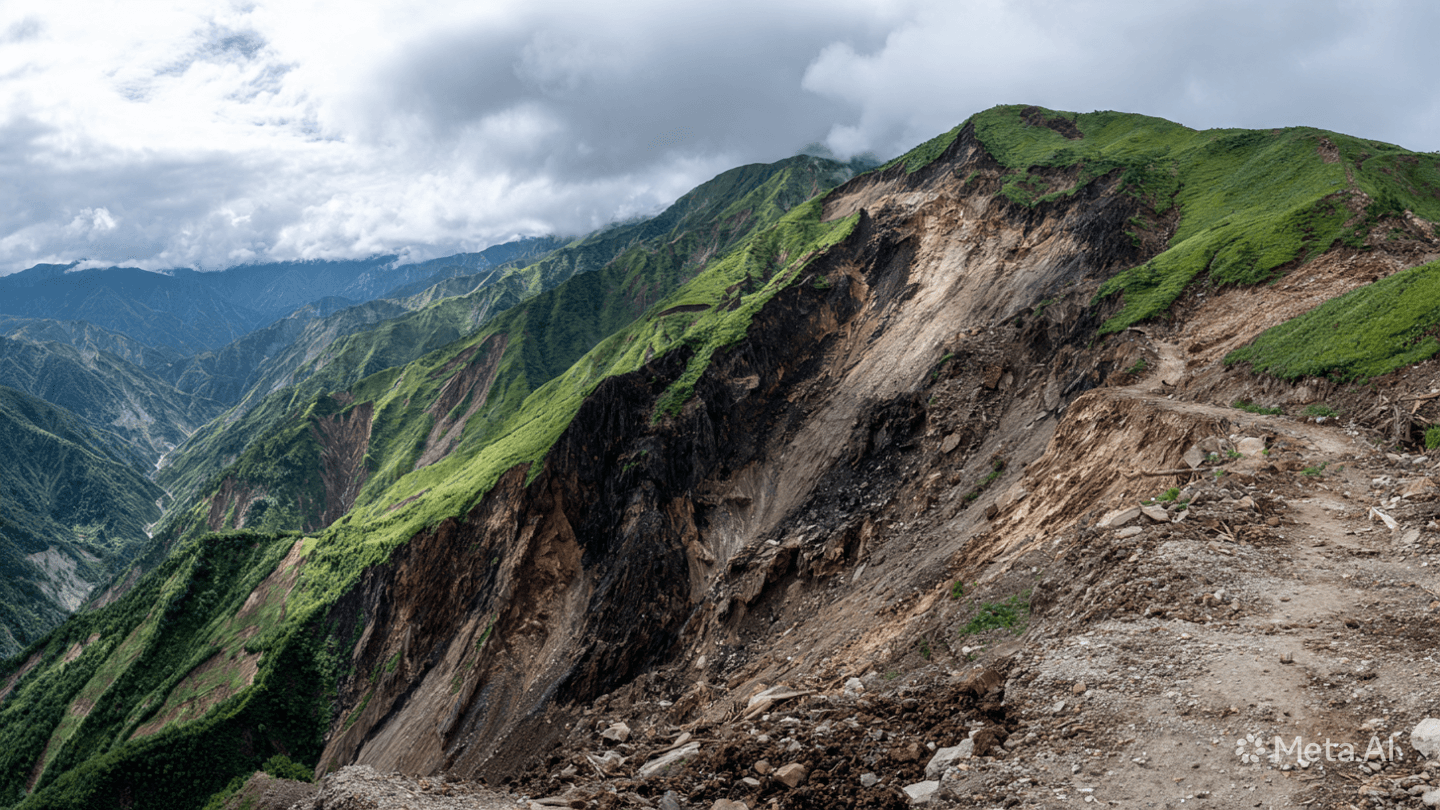
The silence that follows a landslide is heavy, a profound stillness that stands in stark contrast to the violence of the shifting earth. In the aftermath, the landscape is rendered unrecognizable, a chaotic tapestry of uprooted trees, twisted stone, and displaced soil. It is here, in the heart of the debris, that the search unfolds—a slow, meticulous process of discovery and mourning. The mountain, once a silent sentinel, has become a site of sudden tragedy, leaving those who remain to sift through the remnants of what was lost.
For the families awaiting word, time takes on a different quality. It stretches in the moments between updates, a bridge of hope and apprehension. Each discovery by the search teams, whether a fragment of a home or something more deeply personal, marks a shift in the collective consciousness of the community. There is an emotional gravity to this work, a realization that the earth has not just moved, but has fundamentally altered the trajectory of countless lives. The terrain itself seems to mourn, its jagged edges a stark reminder of the power of nature.
The rescue operation is a test of human endurance and technical skill. Rescuers navigate the treacherous ground, their movements precise and measured, aware that the earth remains volatile. The work is physical and exhaustive, requiring the use of excavators and manual labor to clear the path into the buried heart of the village. It is a process that demands both stamina and grace, as every layer of mud removed is an attempt to recover dignity and provide closure to those who wait in the periphery.
Governmental and disaster management agencies have deployed extensive resources to the site, integrating military, police, and community volunteer groups into a singular mission. The logistical challenge is immense: moving heavy machinery into isolated, hilly terrain while managing the risks of secondary slides. The priority is clear, yet the complexity of the landscape requires a cautious, phased approach that balances speed with the safety of those on the ground.
These tragedies often spark a deeper, more reflective dialogue about our relationship with the land. It forces a reckoning with how we settle in areas prone to seismic activity and how we manage the stewardship of the hillsides. As the search continues, it serves as a sobering meditation on the unpredictability of the natural world and the strength required to rebuild after the foundations have literally given way. It is a shared burden, carried by the rescuers and the grieving families alike.
Recovery teams are currently pushing through the final phases of the search in the most impacted areas. Authorities have confirmed the rising toll of the disaster and continue to coordinate with local agencies to provide relief and identification services. Ongoing reports from the field indicate that the search will persist until all individuals are accounted for, with officials focusing on stabilizing the terrain to ensure the safety of all involved in the recovery effort.
Published by Banx Network. This article is part of the Banx decentralized media programme, powered by the BXE token on the XRP Ledger.