
Key Highlights
- 15% increase in textile production capacity reported.
- Three new facilities opened in San Pedro Sula region.
- Over 4,000 new jobs expected from the expansion.
In the valleys of northern Honduras, the air is thick with the scent of tropical rain and the distant, rhythmic vibration of industry. This is a landscape where the lush green of the mountains meets the sharp, geometric lines of the manufacturing hubs, a place where the tradition of labor is being refashioned for a global stage. To stand at the edge of these sprawling complexes is to feel the pulse of a region that has become the engine of a nation’s economic identity.
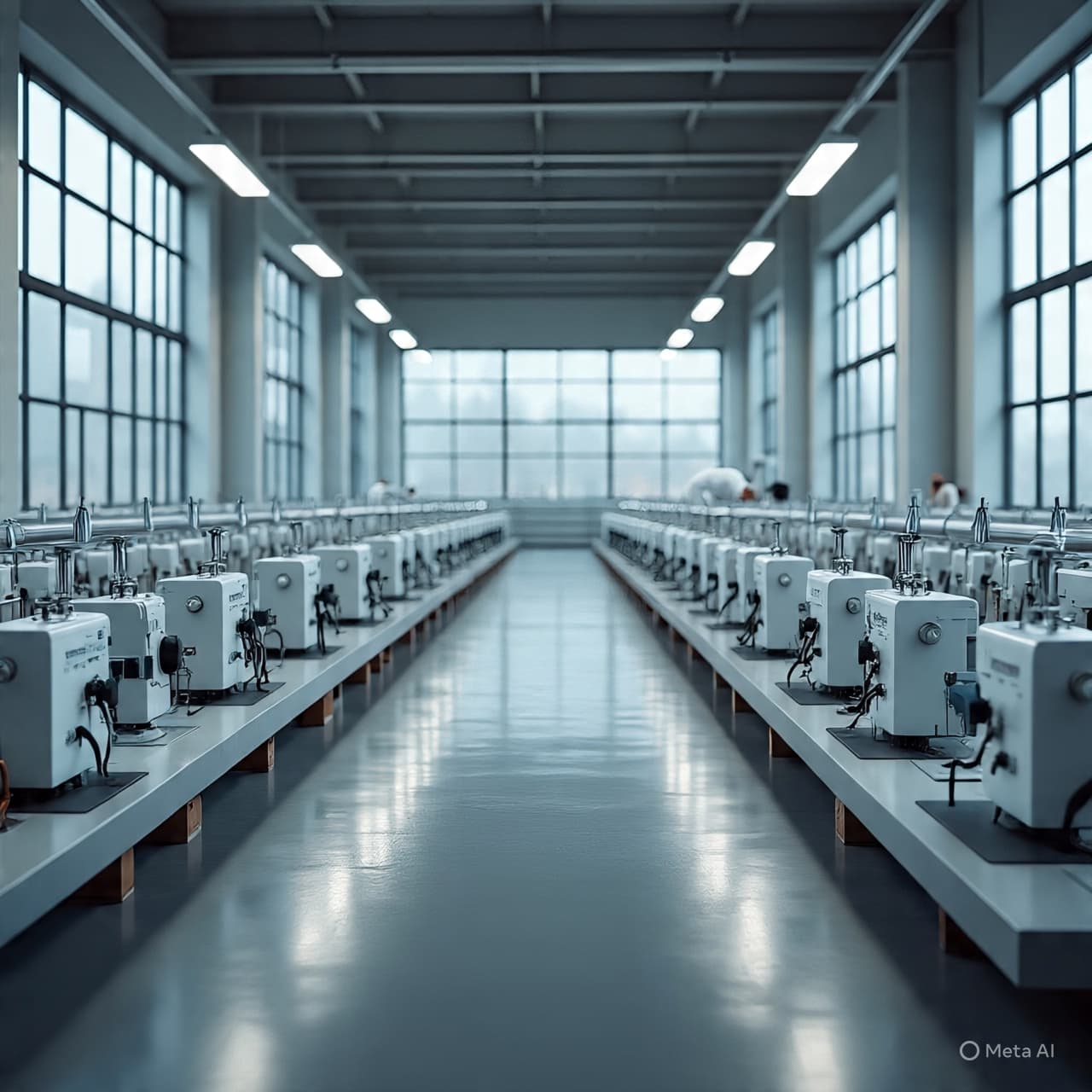
The expansion of the textile production lines here is not merely a matter of machinery and floor space; it is a narrative of community and continuity. There is a specific atmosphere on the factory floor—a blend of intense focus and the steady, flowing motion of thousands of hands working in concert. It is an industrial choreography that has transformed the Sula Valley into one of the most significant textile corridors in the Western Hemisphere.
Lately, the light in these facilities seems a little brighter, reflecting a new wave of investment that is bringing more sophisticated technology to the old looms. This growth feels organic, a natural extension of a workforce that has honed its craft over generations. There is a quiet pride in the quality of the thread and the precision of the stitch, a belief that the "Made in Honduras" label carries the weight of a dedicated heritage.
The sky above the manufacturing parks is often a brilliant, shifting blue, providing a stark backdrop to the silver roofs of the expanded production bays. This expansion represents a softening of economic uncertainty, providing a stable foundation for thousands of families in the surrounding villages. It is a story of resilience, where the steady clatter of the machines serves as a reassuring heartbeat for the local economy.
Within the executive offices and the community centers, the tone is one of cautious optimism, a reflective acknowledgment of the hard work required to reach this milestone. They speak of global supply chains and trade agreements, yet the focus always returns to the individual worker—the person behind the machine whose skill defines the success of the enterprise. It is a human-centric industrialism, rooted in the soil of the north.
As the sun sets behind the Merendón mountain range, casting long, golden shadows across the industrial parks, one can appreciate the scale of what has been built here. The transition from a rural agricultural base to a manufacturing powerhouse has been a journey of decades, marked by both struggle and triumph. Now, the region stands at a point of maturity, ready to take on the challenges of a more competitive world.
The water of the nearby rivers continues to flow toward the coast, a silent witness to the changes on its banks. The relationship between the natural beauty of the highlands and the steel of the factories is a complex one, requiring constant balance and care. Yet, there is a sense that the two can coexist, that the industry can be as much a part of the landscape as the coffee trees and the palms.
The manufacturing sector in northern Honduras has reported a 15% increase in production capacity following the opening of three new textile facilities in the San Pedro Sula region. These plants, representing a significant capital investment, are designed to meet the growing demand for sustainable apparel in North American markets. The expansion is expected to create over 4,000 new jobs, further solidifying the region’s role as a primary export hub.
Published by Banx Network. This article is part of the Banx decentralized media programme, powered by the BXE token on the XRP Ledger.



