
Key Highlights
- Seizure:Authorities in Chiang Rai intercepted approximately two million methamphetamine tablets.
- Smuggling Surge:Increased narcotics activity noted during the dry season.
- Ongoing Vigilance:Regional enforcement agencies ramp up efforts against drug trafficking.
In the high, folded hills of Chiang Rai, the air is often thin and fragrant with the scent of pine and damp earth. This landscape, characterized by ancient paths and hidden valleys, serves as a backdrop for a different kind of transit—a silent, high-stakes flow of illicit commerce that moves under the cover of mountain mist and the anonymity of the forest night. Recently, provincial authorities confirmed the seizure of approximately two million tablets of methamphetamine, a staggering physical manifestation of a social shadow.
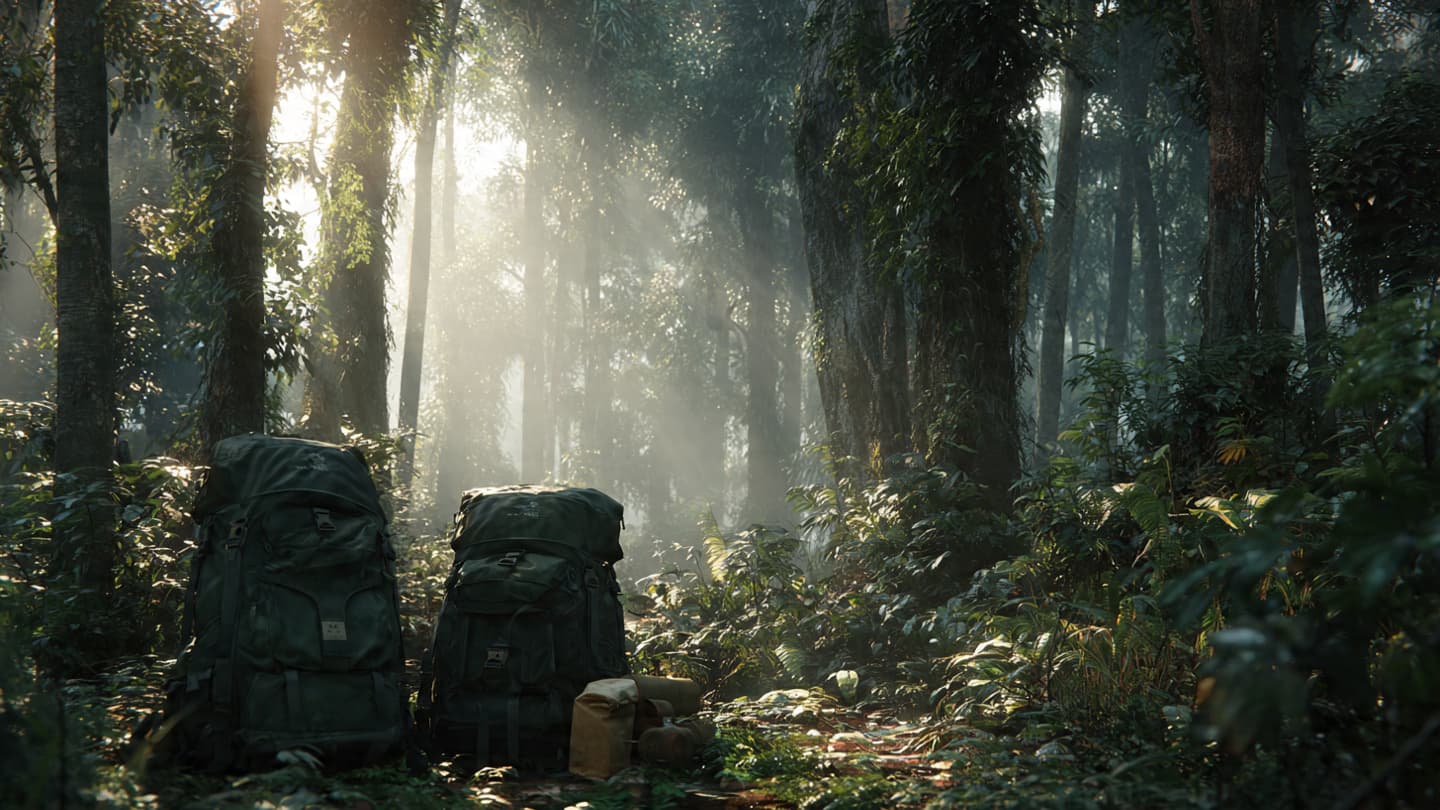
The intercepted drugs were discovered in a series of abandoned backpacks and sacks after a group of unidentified individuals fled into the dense jungle upon encountering a security patrol. The haul, laid out on the station floor, presents a sea of colorful, synthetic uniformity that belies the chaos it was destined to create. Each tablet represents a potential disruption, a reminder that the most dangerous elements often travel in the most mundane of packaging.
The operation to intercept such shipments is a game of patience and deep observation. It involves long hours of waiting in the damp shadows, listening for the sound of a footfall or the low hum of a modified engine. The tension in the northern brush reveals that the forest is not empty but occupied by those who move within the margins of the law. When the moment of contact finally arrives, the silence of the woods is shattered by a sudden, decisive clarity as the hidden is brought into the light.
The journey these tablets took before reaching the border is a complex one, passing through shuttered laboratories in distant highlands. The trade operates as a ghost economy, mirroring legal routes of commerce but under a different set of rules. For officers stationed in these remote outposts, the work is a constant vigil against a tide that never truly recedes, a persistent effort to hold a line that is as fluid as the river itself.
The impact of such a seizure ripples far beyond the hills of the north. Each sack prevented from entering the interior represents a fracture in the supply chain, a temporary reprieve for communities that wait at the other end of the road. While the seizure itself is a mechanical act of removal, the weight of its implications is felt by everyone involved. It is a battle of logistics as much as law, a contest of shadows where the prize is the health of the collective.
As the sun rises over the Mekong, the beauty of the region remains undiminished, concealing the scars of the struggle. The paths used by smugglers will be used again, and the forest will return to its quiet, indifferent state. The human element of the trade is persistent, driven by the same forces of demand and desperation that have always fueled the movement of forbidden things. This situation prompts reflection on the nature of the border—not just as a political line, but as a place of constant, quiet collision.
The sheer volume of the haul serves as a stark metric for the scale of the challenge facing the northern provinces. For every shipment intercepted, others navigate the same terrain with the same intent. The resilience of enforcement agencies is matched by the persistence of the networks they pursue, creating a perpetual cycle of discovery and evasion. This landscape is defined by vigilance, where the peace of the mountain is always a fragile, hard-won state.
Regional narcotics units have increased their presence in the area, noting a significant uptick in smuggling attempts during the current dry season. The seized narcotics have been logged as evidence and will be transported to a secure facility for eventual destruction. The ongoing efforts of law enforcement highlight the complexities of combating drug trafficking in this picturesque yet troubled region.
Published by Banx Network. This article is part of the Banx decentralized media programme, powered by the BXE token on the XRP Ledger.



