
Key Highlights
- Significant Discovery:Archaeologists uncover Roman-era artifacts in Belgrade.
- Historical Context:Findings date back to the 2nd and 3rd centuries AD.
- Urban Insights:Excavation reveals details about ancient Singidunum's layout.
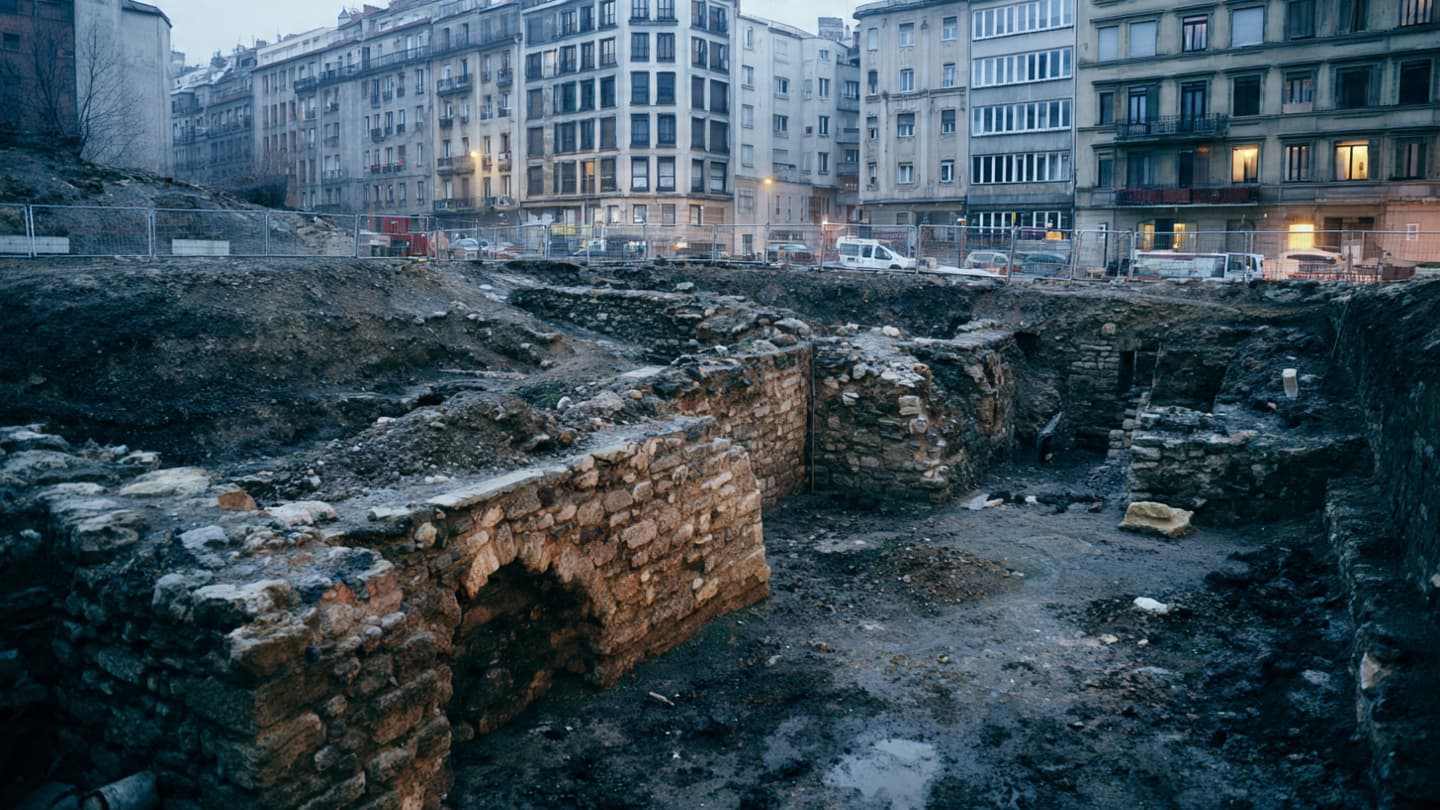
Recent excavations in Belgrade have unearthed a remarkable collection of Roman-era artifacts, including building foundations and personal items, during construction for a new public plaza. This significant discovery has prompted archaeologists from the Belgrade City Museum to document and preserve the finds, which date back to the 2nd and 3rd centuries AD. The artifacts provide invaluable insights into the daily life and urban layout of ancient Singidunum, the Roman predecessor to modern Belgrade.
The excavation site, located in the heart of the city, has revealed not only fragments of pottery and coins but also the foundations of structures that once stood in this bustling urban center. These findings are a testament to the rich history that lies beneath the surface of contemporary Belgrade, where modernity often overshadows the remnants of the past. As construction workers carefully excavate the site, they are reminded that they are not just building a plaza; they are uncovering layers of history that tell the story of a civilization that thrived in this region.
Archaeologists have noted that the artifacts discovered are not merely relics; they are tangible connections to the lives of those who inhabited this area centuries ago. Each piece, whether a simple hairpin or a shard of glass, carries with it the weight of history and the stories of individuals who once walked these streets. The meticulous work of the archaeologists, who approach the excavation with reverence, highlights the importance of preserving these connections to the past.
As the excavation continues, local authorities are faced with the challenge of integrating these historical findings into the final design of the public plaza. The decision to halt construction temporarily allows for a thorough scientific investigation, ensuring that the rich heritage of Belgrade is honored and showcased. This intersection of modern development and historical preservation raises important questions about how cities can evolve while respecting their past.
The discovery of these Roman artifacts is not just an archaeological triumph; it is a reminder of the continuity of human experience. Belgrade, a city that has witnessed the rise and fall of empires, serves as a living testament to the resilience of its inhabitants. The artifacts unearthed during this excavation provide a glimpse into the daily lives of those who lived in Singidunum, revealing trade routes, social structures, and cultural practices that shaped the ancient city.
As the sun sets over the Danube, casting a golden hue on the excavation site, the echoes of history resonate through the air. The artifacts, once buried and forgotten, are now poised to educate future generations about the enduring legacy of the Roman heart of Serbia. This ongoing excavation not only enriches our understanding of the past but also invites us to reflect on our place within the continuum of history, reminding us that we are all part of a larger narrative that transcends time.
Published by Banx Network. This article is part of the Banx decentralized media programme, powered by the BXE token on the XRP Ledger.



