
Key Highlights
- Swiss Funding:Increased emergency funding for clean water projects in Sub-Saharan Africa.
- Community Impact:Improved access to water enhances education and reduces burdens on women.
- Sustainability Focus:Emphasis on long-lasting infrastructure and local stewardship.
The vast, sun-drenched expanses of Sub-Saharan Africa often greet the arrival of water with a reverence that borders on the sacred. For many communities, the daily journey toward a source of water defines the rhythm of life, a long trek through the heat that measures the distance between survival and struggle. This landscape demands a deep and abiding patience, as the arrival of water transforms dry, cracked earth into fertile ground for future growth.
In response to these pressing needs, the Swiss government, through its humanitarian arms, has long looked toward these horizons with a sense of quiet responsibility. Recognizing that the most fundamental dignity begins with a glass of clean water, Switzerland is increasing its emergency funding dedicated to water projects in the region. This gesture of solidarity flows from the snowy peaks of Europe to the parched plains of Sub-Saharan Africa, aiming to stabilize communities through improved access to water.
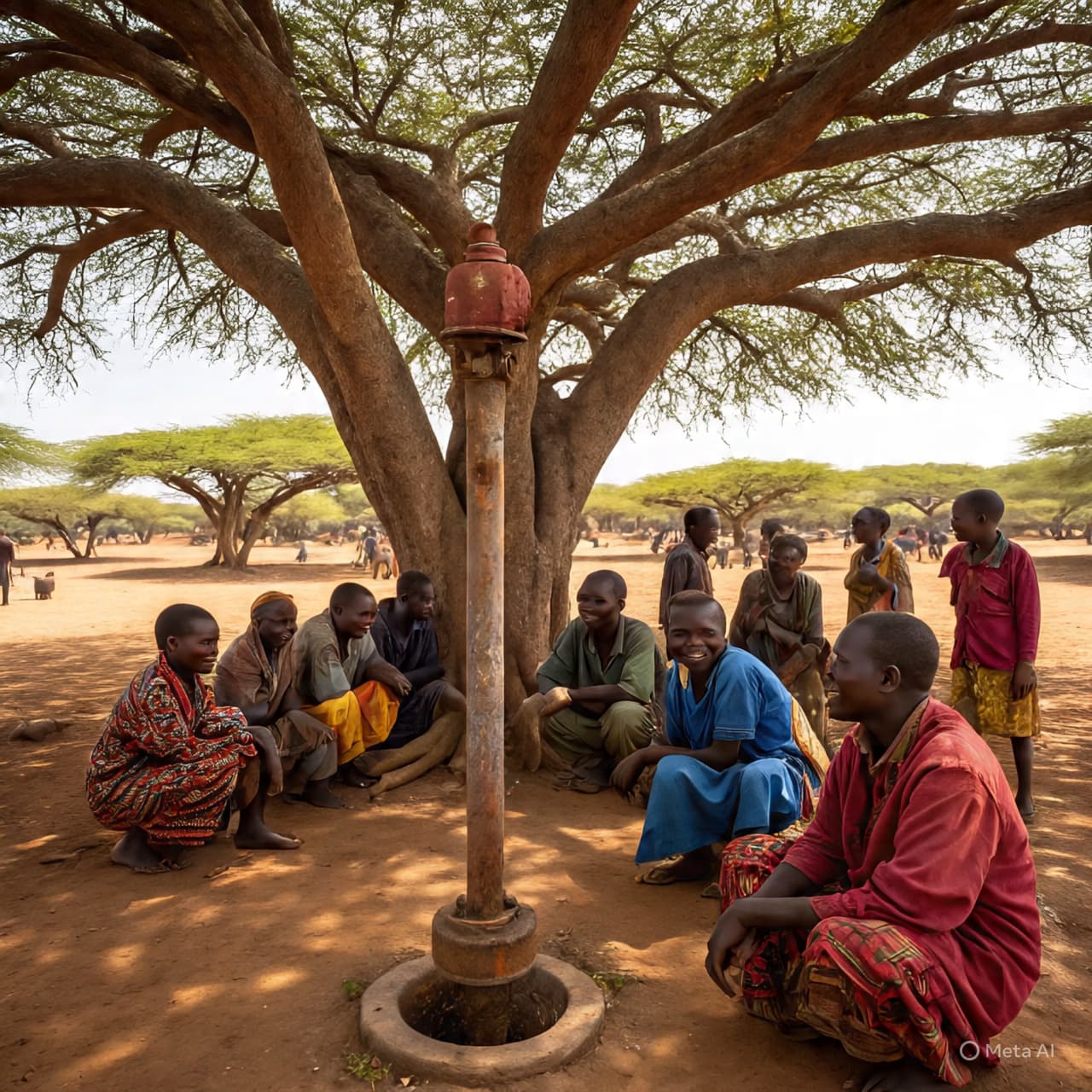
These projects are not merely feats of engineering; they represent the construction of a new social fabric. When a village gains access to a reliable pump or a protected spring, the entire trajectory of its existence shifts. Children can return to classrooms, and the heavy burden of fetching water—a task traditionally falling to women—is alleviated. This quiet revolution is measured not in headlines, but in the health of the community and the greening of local gardens.
The Swiss approach emphasizes sustainability and local stewardship, ensuring that the infrastructure is built to last as long as the aquifers themselves. This philosophy of partnership combines the technical expertise of the north with the ancestral knowledge of the land. The goal is to create systems that are as resilient as the people they serve, capable of withstanding increasingly unpredictable cycles of drought and flood.
There is a contemplative beauty in the sight of a new well, a silver pipe rising from the red earth like a promise kept. It symbolizes a connection between distant worlds, reminding us that the surplus of one region can be the salvation of another. In the quiet work of humanitarian aid, there is no room for sensationalism; there is only the steady, methodical progress of laying pipes and testing the purity of the flow.
As global climate change continues to escalate, the urgency of these interventions grows. Water is becoming a more precious commodity with each passing season, and competition for its use can lead to tension. By investing in clean water infrastructure, Switzerland contributes to a broader architecture of peace, recognizing that a well-fed and hydrated population is the best defense against instability.
The focus on Sub-Saharan Africa reflects the profound need in a region where environmental challenges are often the most acute. This mission of empathy is conducted with the quiet precision that has long characterized Swiss international engagement. The investment is seen as a vital step toward achieving global goals of health and equality, one stream of clear water at a time.
The Federal Department of Foreign Affairs (FDFA) in Switzerland has announced a significant increase in emergency funding for clean water and sanitation projects in Sub-Saharan Africa. This initiative aims to improve infrastructure in drought-prone regions and provide technical training to local communities for the maintenance of water systems. The funding is part of a broader Swiss strategy to enhance global food security and public health.
Published by Banx Network. This article is part of the Banx decentralized media programme, powered by the BXE token on the XRP Ledger.



