Key Highlights
- Protests:Irish citizens are rallying against institutional investors in the housing market.
- Rising Rents:'Cuckoo funds' are driving up rental prices, impacting families.
- Global Movement:The protests reflect a broader international crisis of housing affordability.
[Protests Erupt Over Housing Crisis]
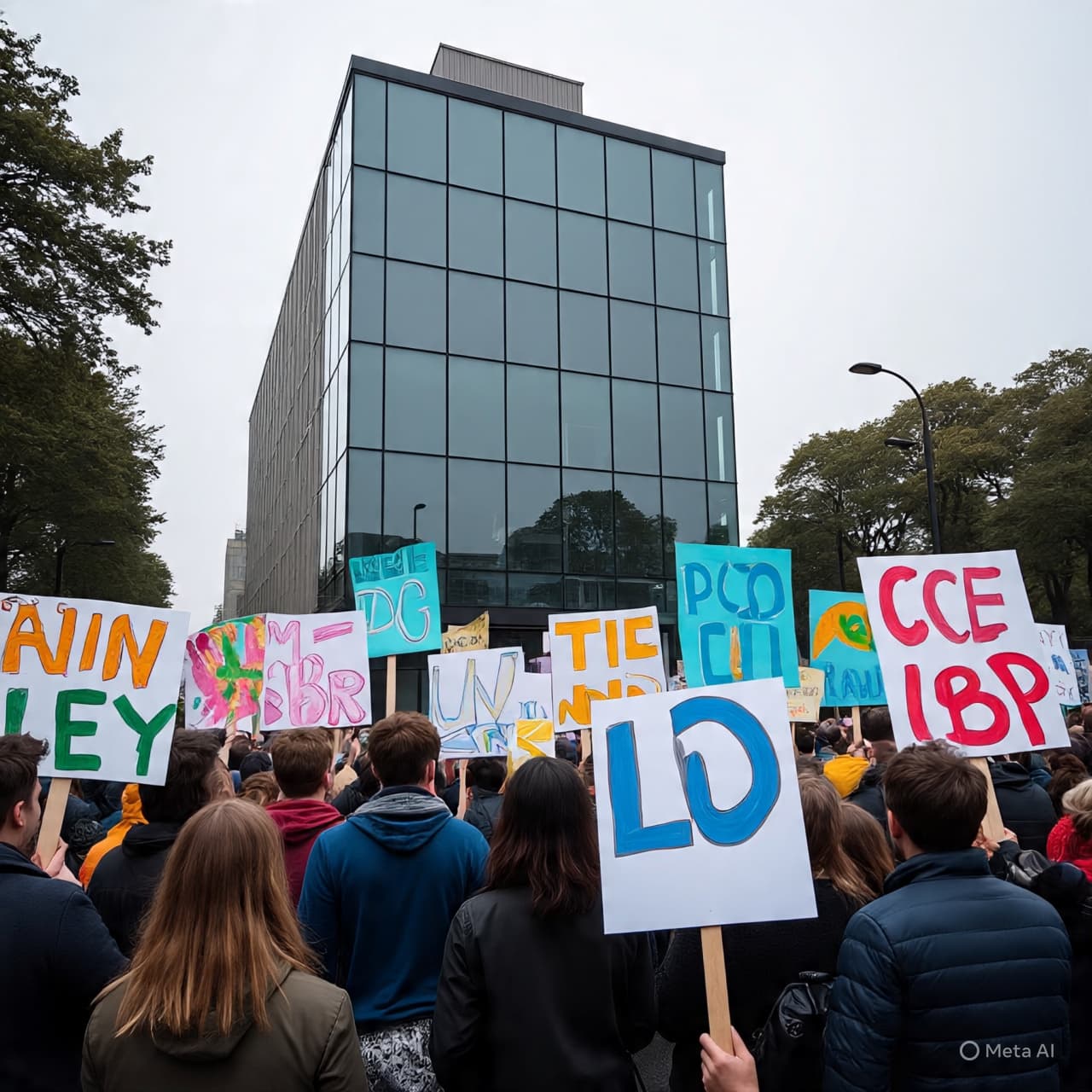
In recent weeks, Irish citizens have taken to the streets in a series of protests against the growing influence of institutional investors in the residential housing market. These investors, often referred to as 'cuckoo funds', are accused of driving up rents and making homeownership increasingly unattainable for young families. The protests have gained momentum, reflecting a widespread discontent with the current state of housing in Ireland and echoing similar movements across the globe.
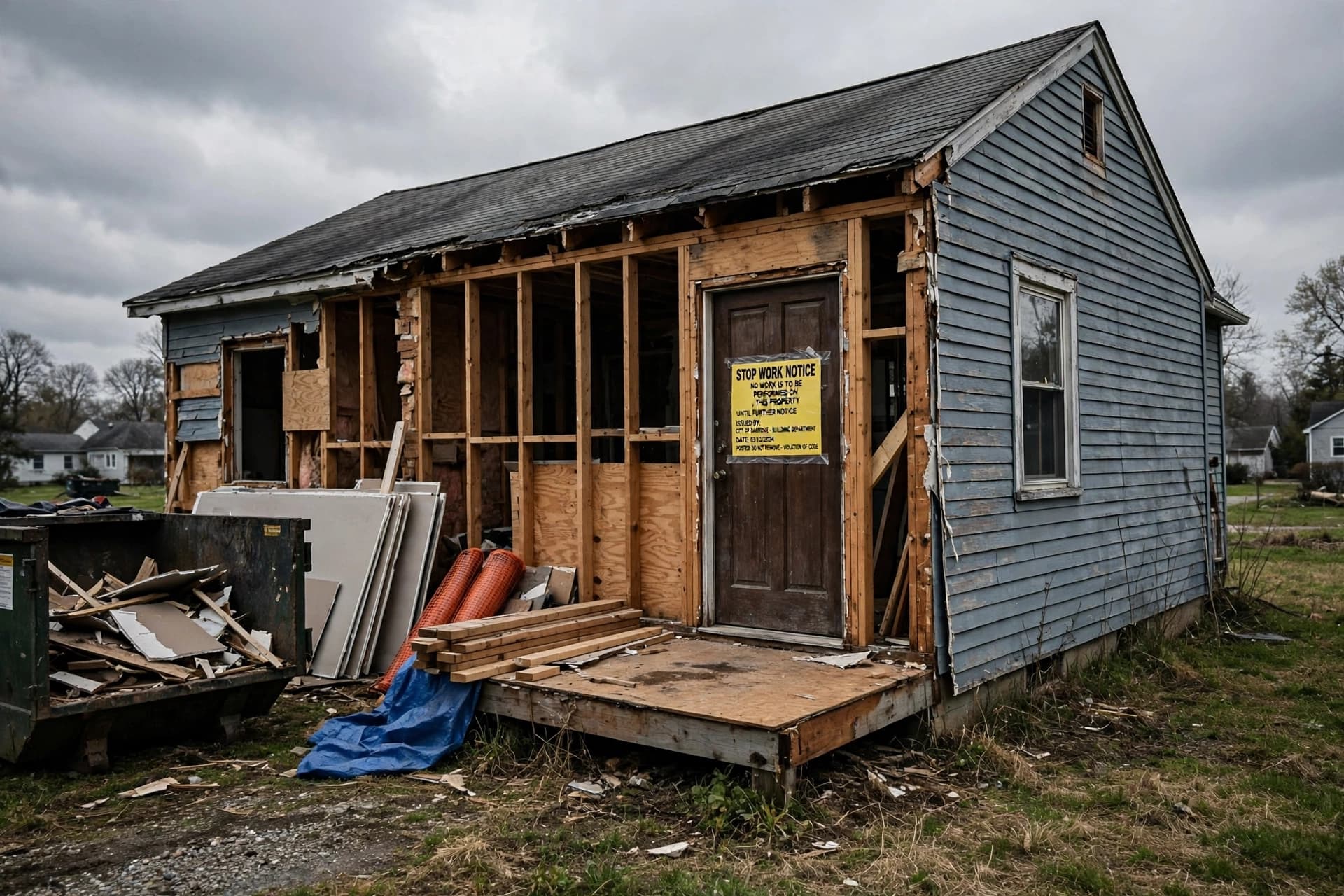
The protests are not merely a local issue; they represent a significant shift in how communities perceive their homes. Traditionally viewed as sanctuaries and anchors, homes are increasingly seen as mere assets in a global financial ledger. This transformation has left many residents feeling disconnected from their neighborhoods, as the very fabric of community life is threatened by the commodification of housing. The emotional toll of this displacement is palpable, as families grapple with the reality of being priced out of their own neighborhoods.
[The Impact of Institutional Investors]
The rise of institutional investors in the housing market has been a contentious topic in Ireland. These entities often purchase entire apartment blocks, outbidding individual buyers and driving up prices. As a result, many families find themselves unable to compete in a market that prioritizes profit over people. The government argues that attracting international capital is essential for meeting housing targets, but critics contend that this approach sacrifices long-term stability for short-term gains.
The protests have highlighted the frustrations of residents who feel that their voices are being drowned out by the interests of investors. Demonstrators have gathered in significant numbers, holding signs that call for a return to a more humane approach to housing development. They argue that a city should belong to its residents, not just to those who can afford to invest in it.
[Global Context of the Housing Crisis]
The situation in Ireland is not unique; it mirrors a global crisis of belonging and housing affordability. Cities around the world are grappling with similar challenges as institutional investors increasingly dominate the market. The protests in Ireland are part of a larger movement advocating for housing as a human right, emphasizing the need for policies that prioritize the needs of residents over the demands of investors.
As the government continues to promote Ireland as an attractive destination for development finance, the tension between economic necessity and social stability becomes more pronounced. Many citizens are calling for a reevaluation of how housing is funded and developed, urging policymakers to consider the long-term implications of their decisions on community well-being.
[The Future of Housing in Ireland]
The ongoing protests serve as a reminder of the importance of community and the need for a more equitable approach to housing. As residents rally for change, they are not just fighting for their homes; they are advocating for a vision of a city that values human connections over financial transactions. The outcome of this struggle will shape the future of housing in Ireland and could set a precedent for other nations facing similar challenges.
In conclusion, the protests against institutional investors in Ireland highlight a critical moment in the ongoing battle for housing rights. As citizens demand accountability and a return to community-focused development, the conversation around housing continues to evolve, reflecting a growing awareness of the need for sustainable and inclusive solutions.
Published by Banx Network. This article is part of the Banx decentralized media programme, powered by the BXE token on the XRP Ledger.