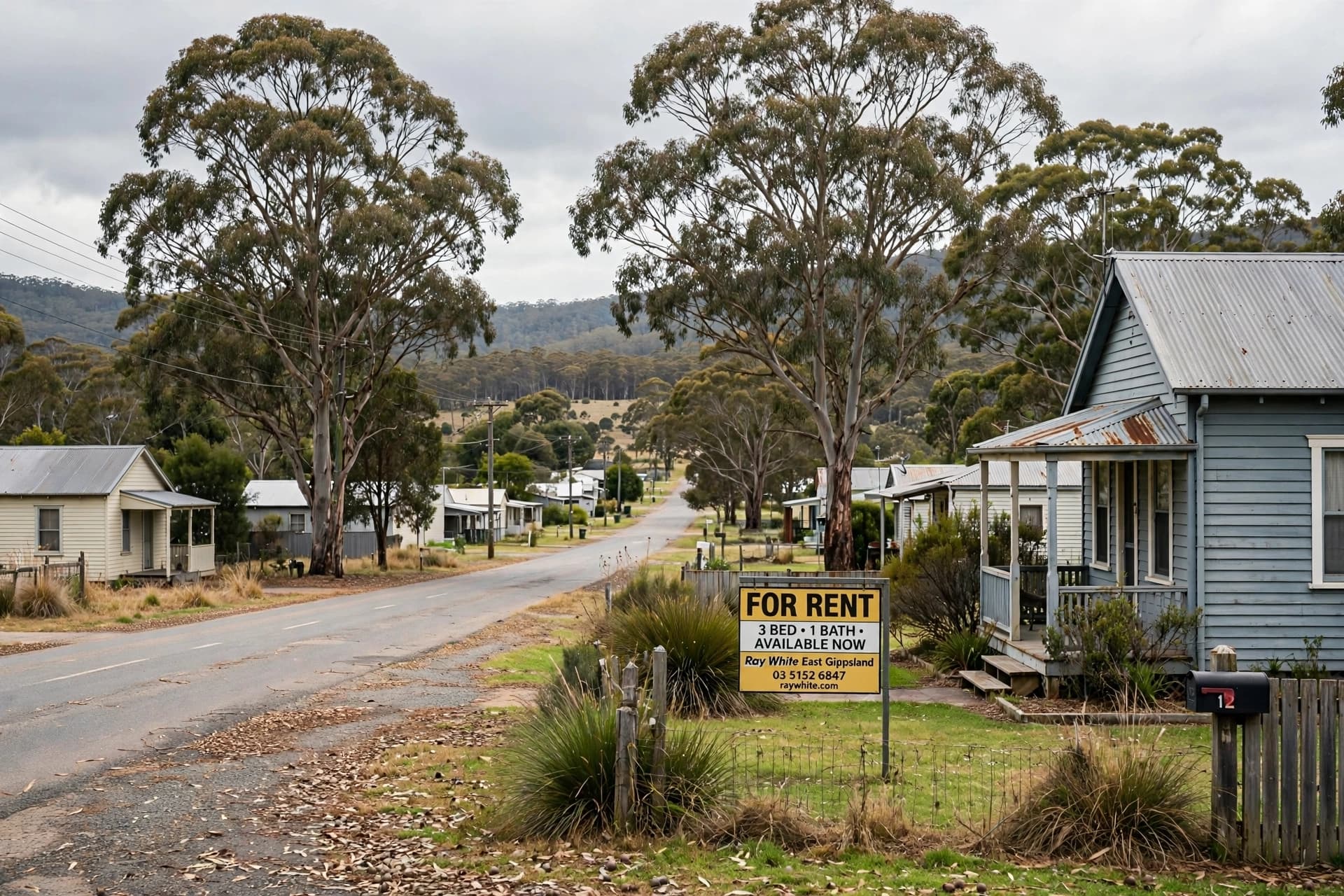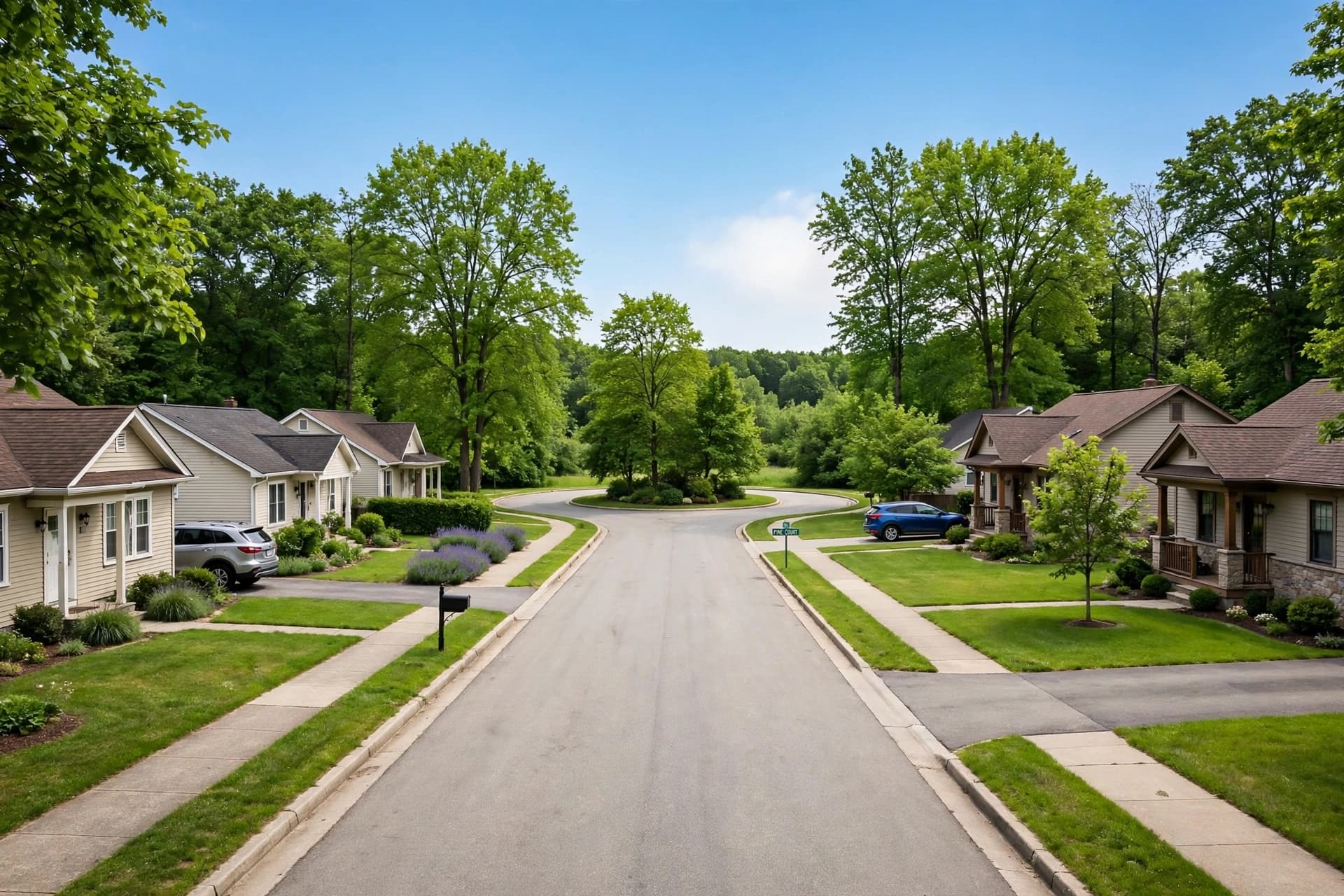
In many American towns, the day begins the same way: a porch light flicks off, a car pulls from the curb, and a For Sale sign leans slightly in the morning breeze. Houses sit still, yet they tell moving stories—of ambition, of waiting, of the widening distance between what is promised and what is lived. It is within these ordinary streets that a once-confident vision for affordable housing has begun to feel less certain.
When Donald Trump returned to the campaign trail with pledges to make housing cheaper, the language was bold and declarative. Prices, he suggested, could be pressed down through deregulation, expanded construction, and pressure on local zoning rules. The market, freed from its constraints, would do the rest. For a moment, the idea carried momentum, tapping into a national unease as rents rose and first-time buyers drifted further from ownership.
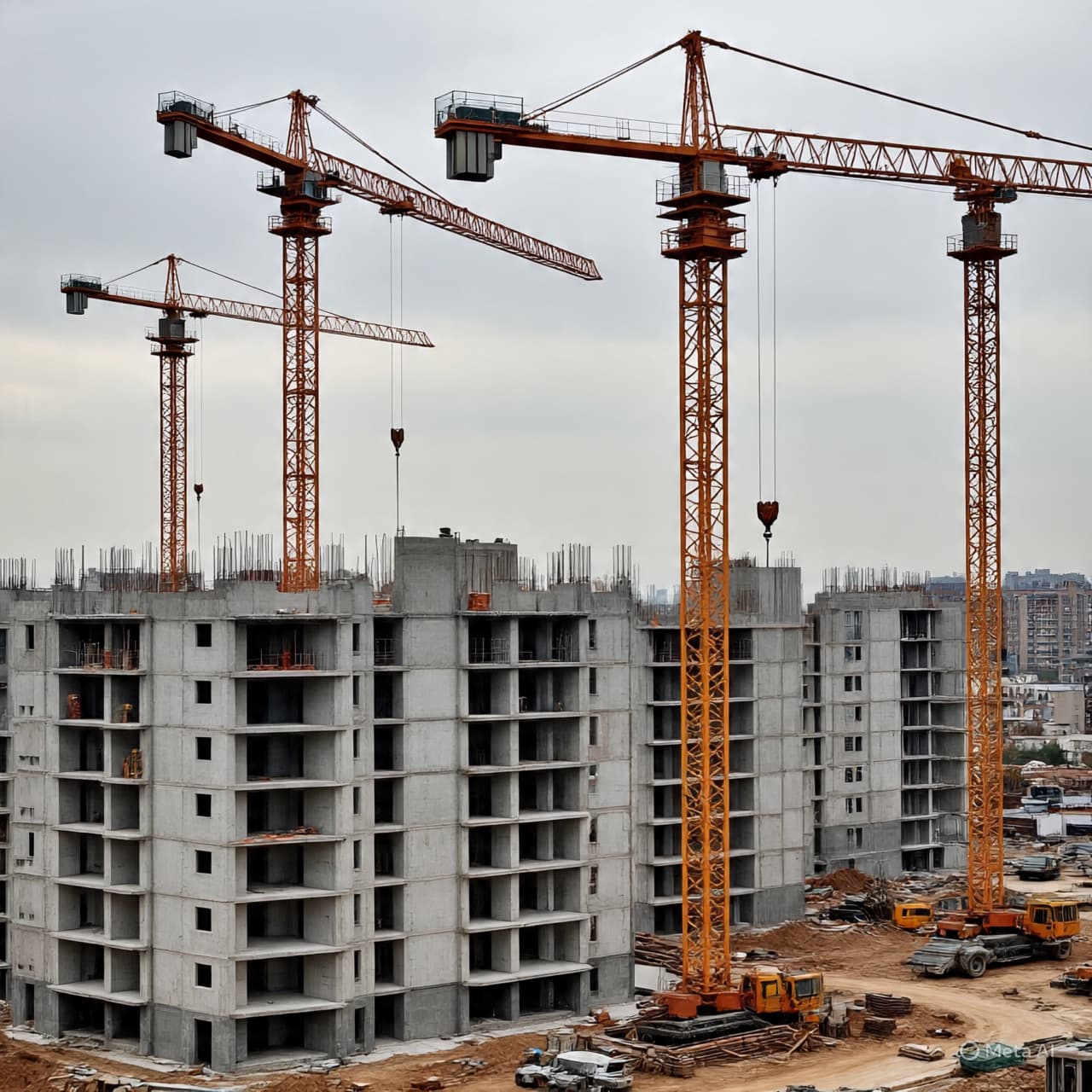
But housing, like construction itself, resists speed. Over the past year, the plan has encountered obstacles that are as structural as they are political. Local governments, which hold much of the power over zoning and land use, have shown limited appetite for sweeping change. Builders continue to face high borrowing costs, labor shortages, and the persistent price of materials. Even as interest rates have steadied, the cost of entry remains high, particularly in cities where demand has long outpaced supply.
Trump’s proposals leaned heavily on the assumption that loosening federal rules would quickly unlock new development. Yet much of the nation’s housing shortage is rooted in local resistance to density—quiet town hall meetings where height limits, parking requirements, and neighborhood character carry more influence than campaign speeches. The gap between national rhetoric and municipal reality has widened, leaving the plan without the traction its architects anticipated.
Meanwhile, households continue to adjust in small, telling ways. Young adults stay longer in childhood bedrooms. Renters accept smaller spaces, longer commutes. In fast-growing regions, the signs of strain are subtle but persistent: overcrowded apartments, delayed family plans, a sense that stability has become provisional. These daily accommodations do not announce themselves as crises, but together they form the background hum of the housing debate.
The Trump campaign has reiterated its commitment to affordability, pointing to broader economic policies and future legislative efforts. Still, the absence of concrete progress has softened the message. Housing is not a switch to be flipped; it is a system layered with time, regulation, and local will. Without alignment across those layers, ambition alone struggles to become shelter.
As evening settles again on quiet streets, the signs remain. Windows glow. Locks turn. The question of affordability lingers, unresolved, in the spaces between houses and hopes. For now, the plan meant to bring relief appears paused—caught between blueprint and foundation—while Americans continue to wait for a place that feels within reach.
AI Image Disclaimer Visuals are AI-generated and serve as conceptual representations.
Sources Reuters Associated Press The New York Times The Wall Street Journal U.S. Census Bureau
Published by Banx Network. This article is part of the Banx decentralized media programme, powered by the BXE token on the XRP Ledger.