There are places on Earth that seem immune to haste. Antarctica, vast and white beneath a restless sky, has long appeared as one of them. Its ice shelves stretch outward like frozen balconies, while deep inland the continent’s glaciers press downward, anchored firmly to the bedrock below. Or so it once seemed. Now, from hundreds of miles above, satellites have been tracing a quieter transformation—one measured not in sudden collapse, but in gradual release.
Over the past three decades, satellite imagery has revealed that Antarctica has lost approximately 5,000 square miles of what scientists call “grounded ice.” Grounded ice refers to glaciers and ice sheets that rest directly on bedrock, rather than floating atop the ocean. This distinction matters. When ice is grounded, it acts as a stabilizing anchor. When it thins or lifts from the bedrock and begins to float, it becomes more vulnerable to ocean currents and melting.
Much of this analysis has been supported by observations from agencies including , which uses satellite altimetry and radar mapping to monitor ice thickness and grounding lines. The grounding line marks the boundary where ice transitions from resting on land to floating as an ice shelf. Shifts in this boundary indicate structural change within the ice sheet system.
Satellite data suggest that warmer ocean waters are playing a significant role. In parts of West Antarctica, relatively warm currents circulate beneath ice shelves, thinning them from below. As these shelves weaken, the grounded glaciers feeding into them can accelerate. Over time, this leads to retreat inland, reducing the area of ice firmly attached to the continent’s bedrock.
Five thousand square miles may sound abstract, but it represents an area larger than some U.S. states. Spread over thirty years, the loss has not been explosive, yet its cumulative scale carries weight. Grounded ice is central to long-term sea level stability. When it detaches and flows more freely into the ocean, it contributes to global sea level rise in ways floating ice alone does not.
Scientists emphasize that Antarctica is not uniform. Some regions remain relatively stable, while others show pronounced retreat. The western portion of the continent has drawn particular attention for its sensitivity to ocean-driven melting. Meanwhile, parts of East Antarctica, once considered more stable, are also being closely monitored as research continues to refine understanding of underlying geology and ocean circulation patterns.
The tools enabling these insights are themselves remarkable. Satellite missions use laser and radar instruments capable of detecting changes in ice elevation down to centimeters. Over decades, these measurements create a layered record—a kind of visual diary of Antarctica’s shifting margins. What appears static to the human eye reveals subtle but persistent motion when viewed from space.
There is, within this data, a broader reflection on timescale. Ice sheets respond slowly compared to weather systems, yet once certain thresholds are crossed, their changes can be difficult to reverse. The retreat of grounded ice does not signal immediate transformation of coastlines, but it contributes incrementally to a global system already under pressure from rising temperatures.
Researchers caution that continued observation is essential. Improved modeling, combined with sustained satellite missions, will help clarify how Antarctic ice dynamics may evolve in the coming decades. Understanding grounding line retreat is central to forecasting future sea level scenarios and informing coastal planning worldwide.
In closing, satellite analyses confirm that Antarctica has lost around 5,000 square miles of grounded ice over the past thirty years. The findings highlight measurable shifts in parts of the continent, particularly in regions influenced by warming ocean waters. Scientific teams continue to monitor these changes, refining projections and expanding datasets. While Antarctica remains vast and formidable, its edges are subtly adjusting—a reminder that even the most enduring landscapes respond to the currents of a warming world.
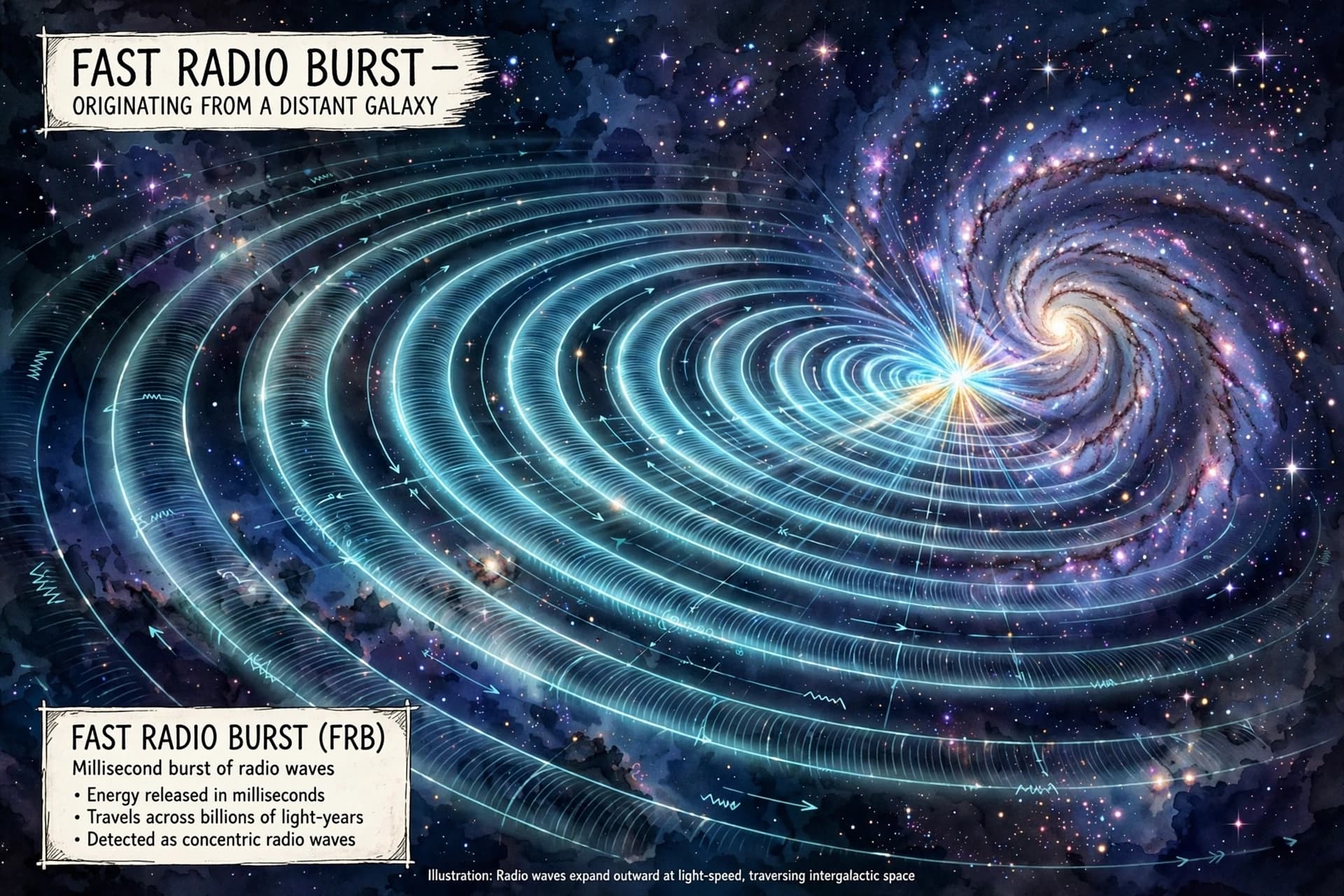
AI Image Disclaimer Graphics are AI-generated and intended for representation, not reality.
Sources NASA BBC Reuters The Guardian Nature
Published by Banx Network. This article is part of the Banx decentralized media programme, powered by the BXE token on the XRP Ledger.