The road through Kordofan stretches long and pale beneath a white-hot sky. Dust rises in soft spirals behind passing vehicles, then settles again on thorn trees and scrub. In this part of Sudan, distance is measured not only in miles but in hours of careful travel—between towns, between checkpoints, between moments of fragile calm. The landscape appears open, almost endless, yet it holds its tensions close.
This week, that quiet expanse was broken by the sound of a drone overhead. An aid convoy moving through Sudan’s Kordofan region was struck from the air, killing three people and injuring others, according to local officials and humanitarian sources. The vehicles, marked and reportedly carrying relief supplies, had been navigating a route long used to deliver food and medical assistance to communities cut off by months of fighting.
Sudan’s war, now well into its second year, has reshaped regions like Kordofan into contested corridors. Since clashes erupted in April 2023 between forces aligned with General Abdel Fattah al-Burhan and the paramilitary Rapid Support Forces led by Mohamed Hamdan Dagalo, front lines have shifted unpredictably. Towns once considered peripheral have become strategic. Roads meant for commerce now carry humanitarian cargo under the shadow of surveillance drones and sporadic shelling.
Aid organizations have repeatedly warned that access to civilians is narrowing. The United Nations estimates that millions across Sudan face acute food insecurity, with Kordofan among the areas hardest to reach. Convoys often require complex coordination—negotiating safe passage, adjusting routes at short notice, and traveling in daylight to reduce risk. Even then, safety is never assured.
Details of the strike remain contested. Each side in the conflict has, in the past, blamed the other for attacks on civilian infrastructure and aid movements. What is clear is that three lives ended on a stretch of road intended for relief. For the families of those killed—drivers, logistics staff, or volunteers—the distinction between military target and humanitarian mission offers little comfort.
The use of drones in Sudan’s conflict reflects a broader evolution in warfare. Once limited largely to state militaries with advanced capabilities, unmanned aerial systems have become more accessible, altering the calculus of distance and vulnerability. In wide, sparsely populated regions like Kordofan, they extend the reach of combatants far beyond traditional front lines.
Meanwhile, displacement continues to ripple outward. Villages empty gradually; markets thin; schools close. In El Obeid and smaller towns scattered across North and South Kordofan, families gather news through radios and whispered conversations. Each incident on a remote road carries weight, reinforcing a sense that no route is entirely safe.
Humanitarian agencies have called for investigations and renewed guarantees of protection for aid workers, invoking international humanitarian law that safeguards relief operations. The United Nations and other organizations have stressed that targeting aid convoys undermines already fragile lifelines in a country edging toward famine in several regions.
As afternoon light fades over Kordofan’s plains, the road returns to its muted stillness. Tire tracks remain etched in dust, a temporary record of passage and interruption. Somewhere beyond the horizon, other convoys prepare to move, recalculating risk against necessity. Supplies are still needed; communities still wait.
The strike does not alter the broader trajectory of Sudan’s war, but it sharpens its human outline. Three lives lost on a humanitarian route underscore the narrowing space between combat and relief. In Kordofan, where the land feels vast and exposed, even the sky has become contested.
By nightfall, the desert cools. Stars emerge above a terrain marked by conflict yet sustained by quiet resilience. For those who continue to drive these roads with food and medicine in tow, the journey resumes at first light—measured, cautious, and essential.
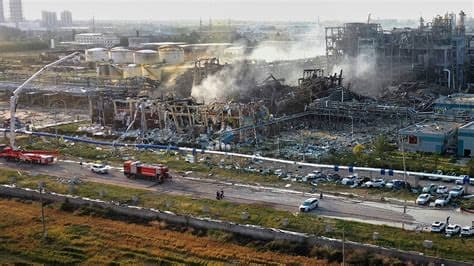
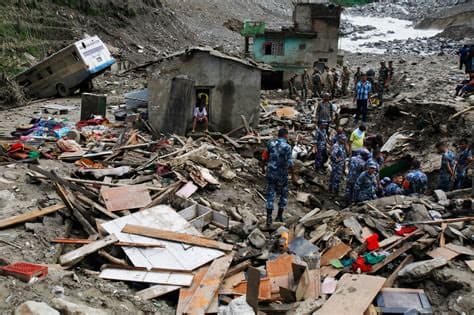
AI Image Disclaimer Illustrations were created using AI tools and are not real photographs.
Sources Reuters Associated Press United Nations Sudan Tribune International Committee of the Red Cross
Published by Banx Network. This article is part of the Banx decentralized media programme, powered by the BXE token on the XRP Ledger.