
Key Highlights
- Date of Assessment:April 5, 2026, marks ongoing military operations.
- Russian Strategy:Focus on attrition and gradual territorial gains.
- Impact on Civilians:Conflict affects daily life beyond the front lines.
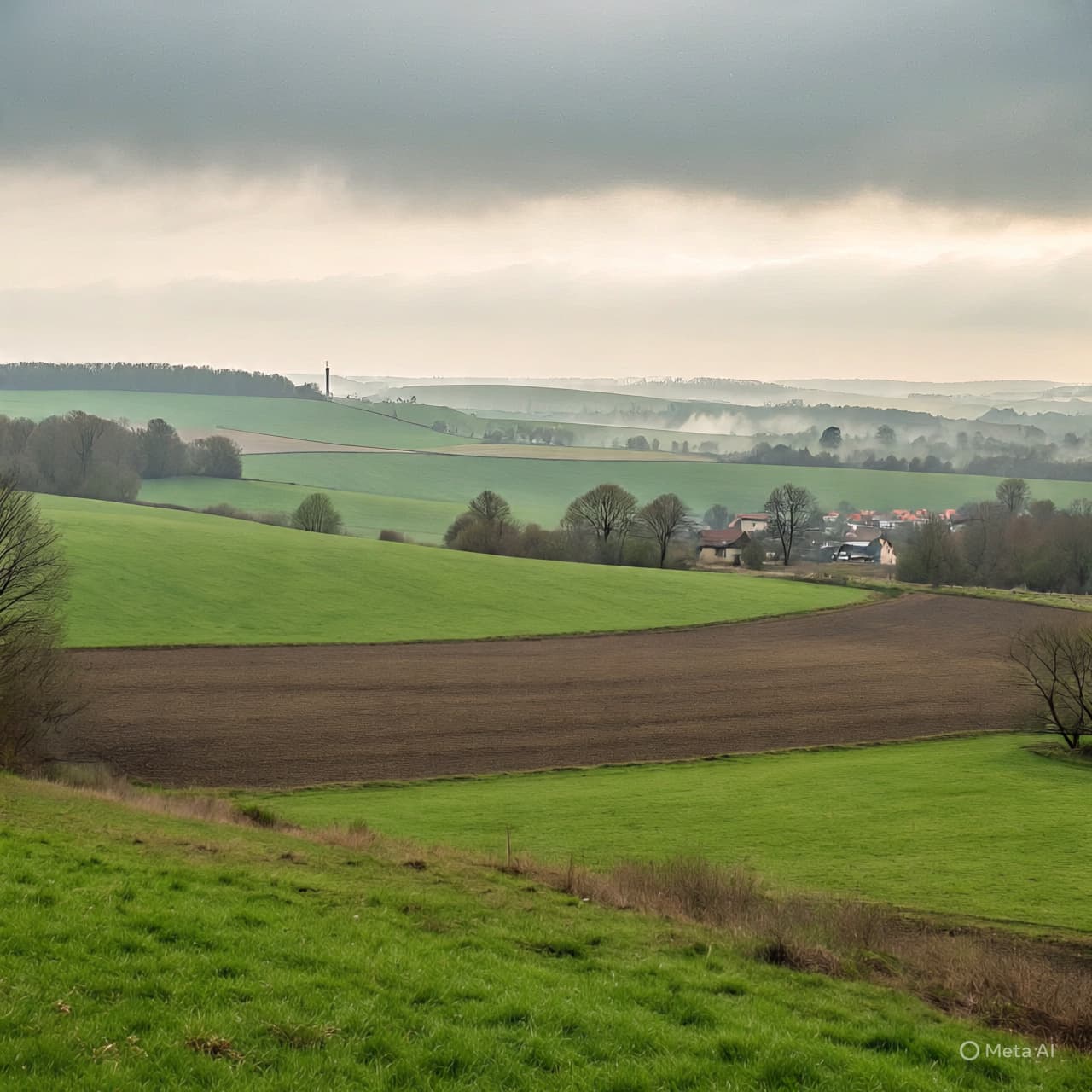
The ground, in early spring, rarely settles all at once. Across stretches of eastern Ukraine, the thaw arrives unevenly—patches of earth softening while others remain firm, roads turning uncertain, fields holding the memory of winter even as new movement begins. It is a season of transition, though not always of clarity. Here, the passage of time is marked less by calendars than by shifts in terrain, in tempo, in the quiet adjustments of those who move across it.
The latest assessment of the Russian invasion of Ukraine, dated April 5, 2026, suggests that this sense of uneven movement extends beyond the landscape itself. According to analyses widely circulated by defense observers, Russian forces continue to press forward along multiple axes, though without a single decisive breakthrough to define the moment. The campaign appears to be characterized by persistence rather than sudden change—a steady application of pressure that accumulates over time.
In areas along the eastern front, incremental advances have been reported, measured not in large territorial shifts but in smaller, contested gains. Villages, crossroads, and defensive lines become focal points, each holding significance that may not be immediately visible on broader maps. The nature of such progress can feel both continuous and fragmented, as if the conflict advances in pieces rather than in a single, coherent motion.
Military analysts note that Russian operations appear to emphasize attrition, seeking to wear down Ukrainian defenses through sustained engagement. This approach, while slower in visible impact, carries its own logic—one that relies on endurance as much as maneuver. At the same time, Ukrainian forces continue to adapt, reinforcing positions, responding to pressure, and attempting to manage the balance between holding ground and preserving capacity.
Elsewhere, the rhythm of the campaign extends into the air and beyond the immediate front lines. Strikes on infrastructure, logistical nodes, and urban areas form part of a broader effort to shape conditions behind the battlefield. These actions, while removed from direct ground combat, influence the overall environment in which the conflict unfolds, affecting supply, communication, and civilian life.
The assessment also reflects a wider pattern that has become familiar over time: periods of intensified activity followed by moments that feel comparatively still, though rarely entirely quiet. The absence of dramatic shifts does not indicate an absence of movement; rather, it suggests a phase in which change occurs gradually, often beneath the threshold of immediate attention.
For those living within the reach of these developments, the distinction between frontline and distance remains fluid. The consequences of the campaign extend outward, shaping daily routines, altering expectations, and reinforcing a sense that the conflict is not confined to a single place or moment.
Internationally, the situation continues to be monitored with close attention. Each assessment contributes to an evolving understanding of where the campaign stands and where it might be headed. Yet even detailed analyses carry a degree of uncertainty, reflecting the inherent complexity of a conflict that has resisted simple narratives.
As of early April 2026, the picture that emerges is one of continuity rather than conclusion. Russian forces maintain offensive operations, Ukrainian defenses persist, and the line between them shifts in measured, often contested increments. The campaign endures, shaped by terrain, strategy, and time itself.
In the end, the April 5 assessment offers less a turning point than a snapshot—a moment within a longer sequence, where movement continues without resolution. The ground softens, the lines adjust, and the conflict carries on, its direction still unfolding in ways that remain difficult to fully define.
Published by Banx Network. This article is part of the Banx decentralized media programme, powered by the BXE token on the XRP Ledger.



