Key Highlights
- 15% increase in demand for timber homes in the Balkans.
- Shift towards eco-friendly and energy-efficient housing.
- Local governments reviewing building codes for timber structures.
The Balkans are witnessing a significant shift in the construction landscape, as a growing number of homeowners are turning to timber as a preferred building material. This trend is not merely a nostalgic nod to the past but a strategic response to contemporary environmental challenges. Recent market reports indicate a 15% year-on-year increase in demand for prefabricated log and timber-frame homes, reflecting a broader movement towards sustainable living.
The appeal of wooden homes lies in their organic nature and the unique connection they foster with the surrounding environment. Unlike the cold, rigid structures of concrete and steel, timber homes breathe and adapt to their surroundings. This adaptability is particularly important in the mountainous regions of the Balkans, where seasonal changes can be dramatic. Homeowners are increasingly seeking residences that not only provide shelter but also resonate with the natural world, creating a sanctuary that feels as if it has grown from the earth itself.
As environmental awareness rises, the benefits of timber construction become more pronounced. Wood is a natural insulator, capable of retaining heat long after a fire has died down. This thermal efficiency is particularly valuable in the colder months, allowing homeowners to enjoy a cozy atmosphere without excessive energy consumption. The trend towards timber homes represents a rejection of the fast-paced, disposable culture that has dominated urban development, favoring instead a slower, more sustainable approach to living.
Craftsmanship plays a crucial role in this revival of timber construction. Master builders in the region are blending ancient joinery techniques with modern engineering practices, creating homes that are not only functional but also imbued with character. Each beam tells a story, showcasing the unique imperfections that come from natural growth. This emphasis on individuality contrasts sharply with the uniformity of factory-made materials, offering a psychological comfort that many find lacking in contemporary urban architecture.
However, the rise in timber construction also brings with it a responsibility to manage forest resources sustainably. The finite nature of timber necessitates careful stewardship, and many builders are now sourcing wood from certified sustainable forestry practices. This ensures that for every tree harvested, a new one is planted, fostering a circular economy that benefits both the environment and the local community.
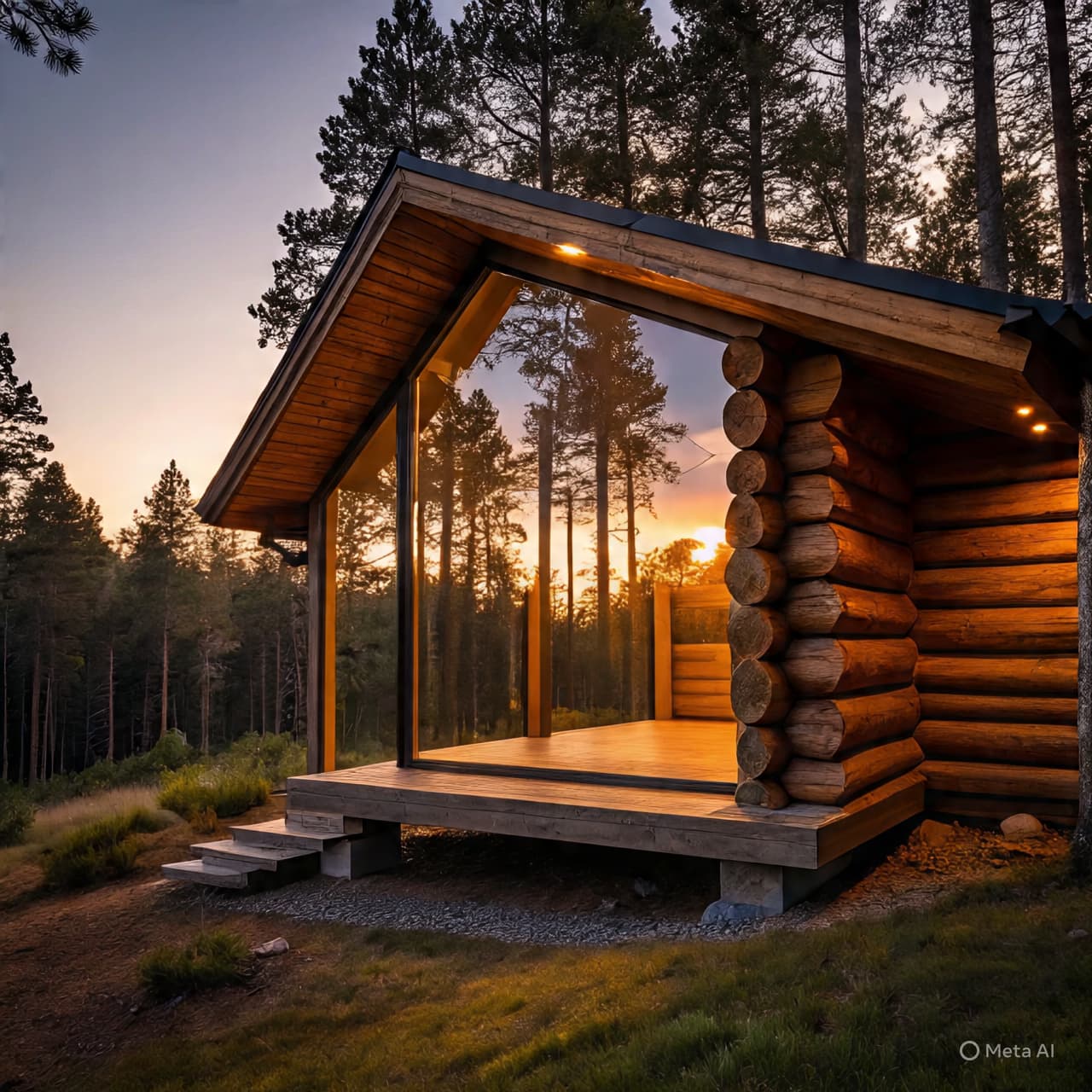
The aesthetic of timber homes is evolving as well, moving away from traditional rustic designs towards a more modern minimalism. Large glass panels are increasingly being integrated into these structures, allowing natural light to flood in and creating a seamless connection between indoor and outdoor spaces. This biophilic design approach not only enhances the living experience but also reinforces the idea that modern architecture can honor traditional materials and methods.
As the sun rises over the timber peaks of the Balkans, the warm glow of wooden homes stands in stark contrast to the coldness of stone. These structures are more than just buildings; they are a testament to a living history and a commitment to sustainable living. In a world that is constantly changing, the wooden house remains a steadfast anchor, embodying both tradition and innovation in its very fibers.
With local governments now reviewing building codes to better accommodate these high-standard wooden structures, the future of timber construction in the Balkans looks promising. Experts emphasize that utilizing locally sourced, sustainable timber is essential for maximizing the economic benefits of this architectural revival, ensuring that the region can thrive while respecting its natural resources.
Published by Banx Network. This article is part of the Banx decentralized media programme, powered by the BXE token on the XRP Ledger.