
Key Highlights
- Vineyard owners in New Zealand protest against gold mining.
- Concerns raised about environmental impact on local viticulture.
- Community divided over job creation versus ecological preservation.
In the picturesque valleys of New Zealand, a brewing conflict is challenging the delicate balance between agriculture and mining. Vineyard owners, known for their exquisite Pinot Noir, are voicing strong opposition to a proposed gold mining project that threatens to disrupt the very essence of their land. This clash highlights a fundamental question: what kind of wealth truly sustains a community?
The mining proposal has ignited a passionate debate among local residents. Vineyard owners argue that the mining operations could lead to significant environmental degradation, including noise pollution, dust contamination, and potential damage to the water table—factors critical to maintaining high-quality wine production. The region's reputation for producing world-class wines is built not only on the grapes but also on the purity of the air and water that nourish them.
As the mining company touts the promise of job creation and economic growth, many in the community remain skeptical. The history of extraction industries is fraught with broken promises and environmental scars that linger long after the resources have been depleted. Vineyard owners express concern that the immediate economic benefits of mining could come at the cost of long-term ecological health and the cultural heritage tied to winemaking.
Local markets and community gatherings reflect the divided sentiment. Some residents see the mining project as a pathway to economic revitalization, while others fear it could irreparably alter the character of the valley. This tension underscores a broader struggle between the culture of cultivation, which values patience and sustainability, and the culture of consumption, which often prioritizes short-term gains.
The proposed mining site is situated near several vineyards, raising alarms among winemakers who fear that any disruption could compromise the integrity of their products. They emphasize that the essence of their wines is deeply rooted in the land's health and the traditional practices that have been passed down through generations. The potential for dust and pollution from mining activities poses a direct threat to the delicate ecosystems that support their vineyards.
As the community grapples with these issues, local authorities are currently reviewing environmental impact assessments submitted by the mining company. The outcome of this review will be pivotal in determining the future of the valley's land use and the livelihoods of those who depend on it. The struggle for the soul of this region is not just about gold versus grapes; it is a reflection of broader values regarding sustainability, heritage, and community well-being.
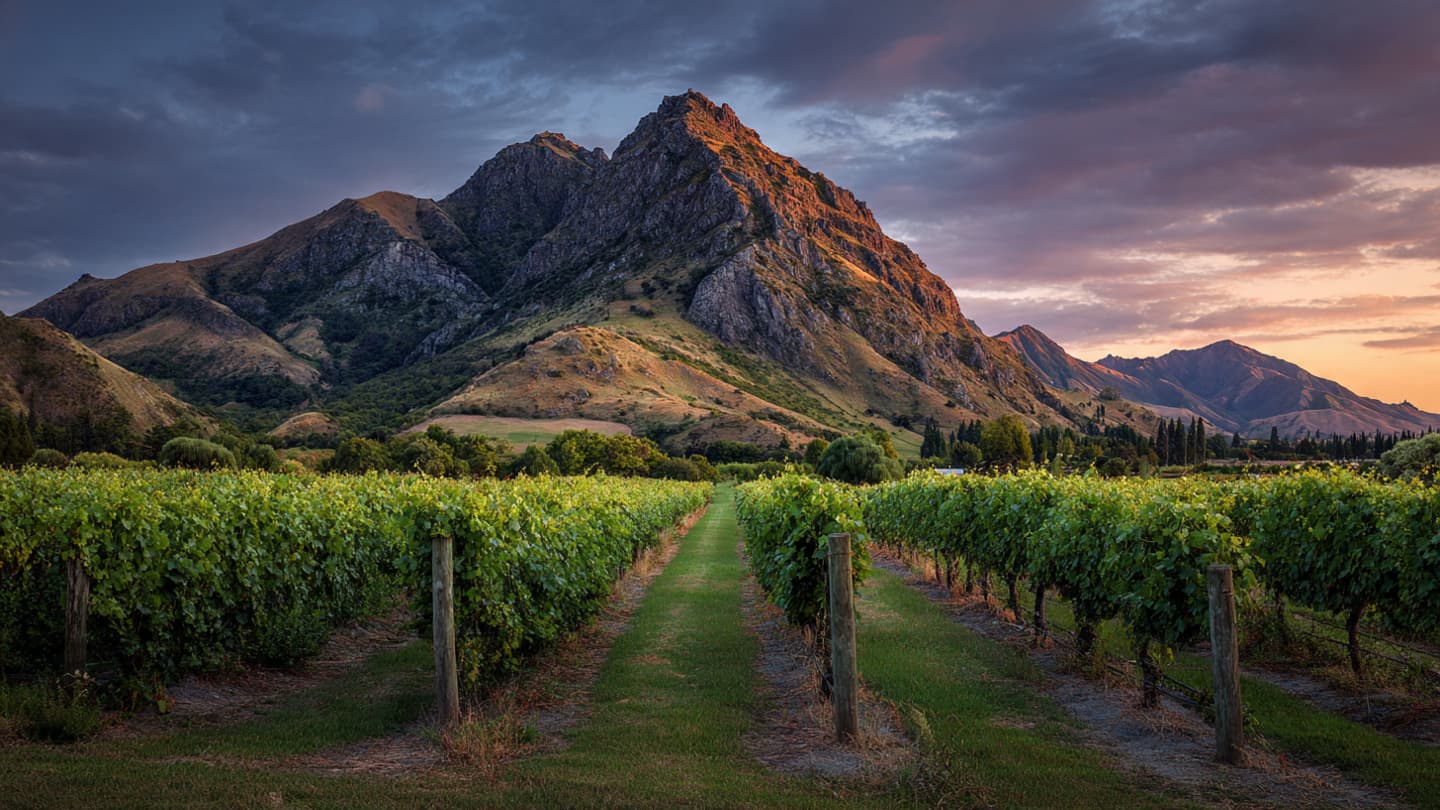
In the face of this conflict, vineyard owners remain committed to their craft, nurturing their vines with care and respect for the land. They understand that the true wealth of their community lies not in the fleeting allure of gold but in the enduring beauty of their wines and the traditions that sustain them. As the sun sets over the rolling hills, casting a warm glow on the ripening grapes, the stakes of this debate become ever clearer: the future of the valley hangs in the balance.
Published by Banx Network. This article is part of the Banx decentralized media programme, powered by the BXE token on the XRP Ledger.



