The afternoon heat in Port of Spain lingers long after the sun has begun its descent behind the Northern Range, leaving a heavy, shimmering haze over the asphalt of the capital's cross-streets. In these urban corridors, life is usually a loud and kinetic symphony of vendors, passing maxis, and the rhythmic pulse of music drifting from open doorways. But there are moments when the city’s breath catches, when the music stops, and the air turns thick with an unspoken anticipation. It is a transition that requires no announcement; the sudden emptiness of a sidewalk speaks louder than any siren.
The intervention occurred on a narrow lane stretching toward the harbor, where a gathering of rival gang members had formed a silent, immovable boundary across the pavement. The assembly had not yet crossed into open conflict, remaining instead in a state of suspended animation—a cold, watchful evaluation where postures and glances served as the primary currency of confrontation. A solitary police officer, operating within the traditional parameters of community presence, stepped into this tense vacuum, placing his own authority between the opposing factions.
There is a distinct, rhythmic precision required to de-escalate a confrontation in the heart of the city without igniting the very dry tinder one seeks to protect. The officer’s movement was deliberate, his voice kept low and even, avoiding the sharp tones of command that might invite a defensive reaction from the crowd. In these spaces, where old rivalries are etched deeply into the geography of the neighborhoods, the restoration of order depends entirely on the capacity to project a calm, unyielding neutrality.
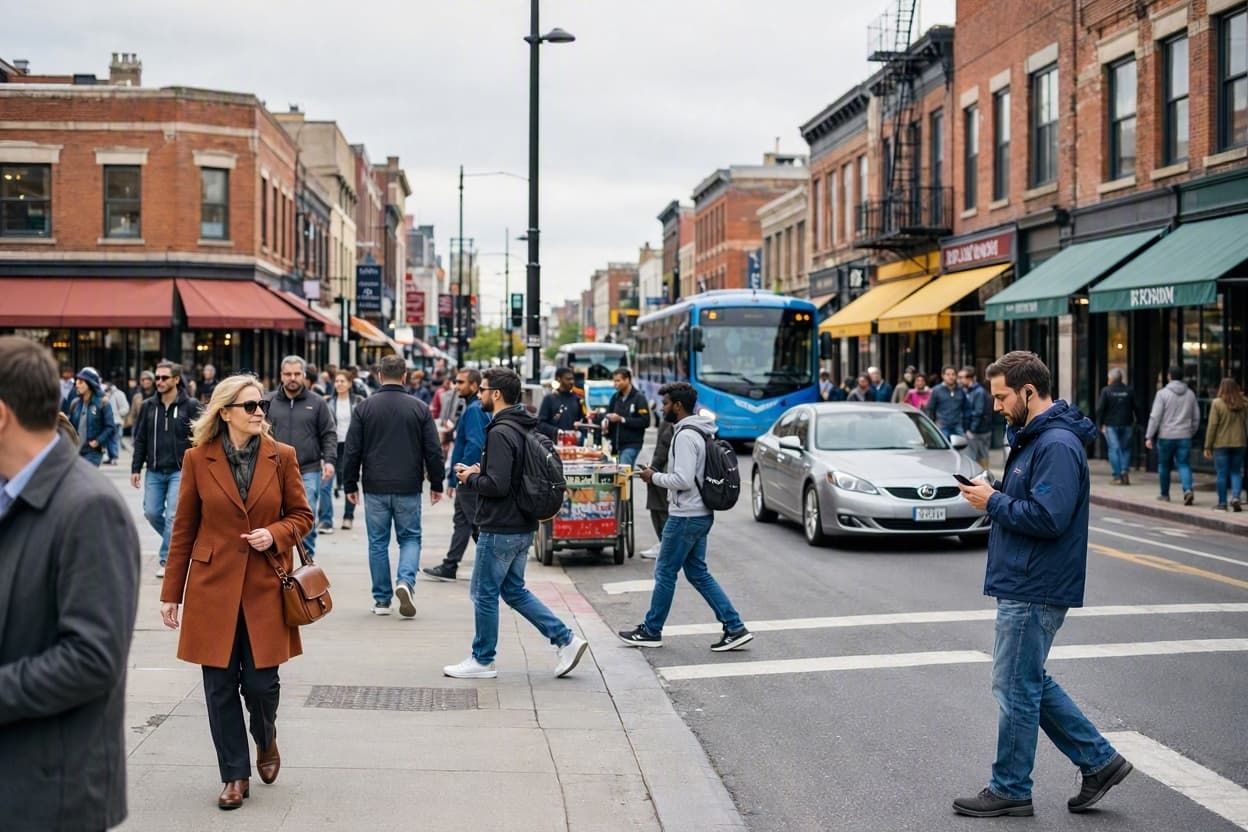
For the shopkeepers who watched from behind half-closed metal shutters, the standoff was a familiar reminder of the invisible borders that partition the urban landscape. A street corner is rarely just a patch of concrete; it represents territory, history, and the delicate equilibrium that allows daily commerce to survive alongside systemic fractures. The presence of the law, embodied in a single uniform, provided a temporary anchor, a reason for the gathered individuals to slowly dissolve back into the surrounding alleyways.
The silence that returns to a city street after such a gathering disperses is never entirely empty; it carries the lingering vibration of what might have been. The vendors slowly push their carts back into position, their movements subdued, while the passing pedestrians adjust their paces to reclaim the sidewalk. There is no celebration of a crisis averted, only a quiet, collective sigh as the normal rhythms of the afternoon begin to reassert themselves over the grey pavement.
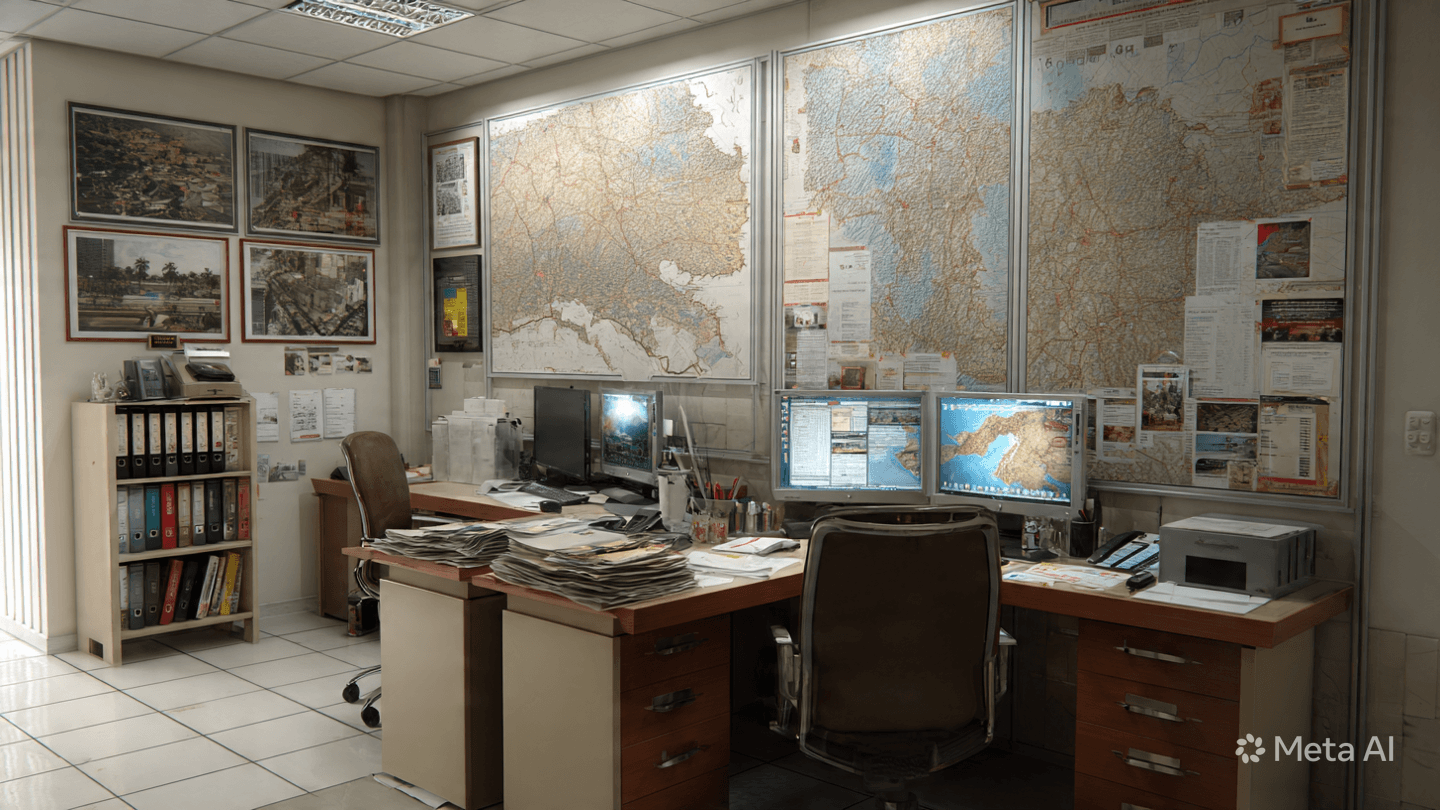
In the precinct rooms where the daily incident logs are compiled, the encounter is noted with a clinical, unhurried brevity that belies the emotional weight of the moment. The work of maintaining order in Port of Spain is an unceasing series of these small, quiet negotiations, where the success of the mission is measured by the absence of headlines. Investigators study the names and the locations, mapping the shifting alliances of the urban interior with a patient, analytical detachment.
As the streetlamps flicker to life along the waterfront, casting long, amber reflections across the damp asphalt, the city settles into its evening routine. The port continues its heavy, industrial work, the cranes moving containers against a darkening sky, indifferent to the small human dramas played out in the shadows of their steel frames. The memory of the gathering remains locked in the minds of those who stood there, a quiet reminder of how easily the peace of the capital can be compromised.
Crime Watch Live Trinidad monitoring units have documented the successful containment of an unauthorized public assembly involving known local factions in the lower commercial district of the capital. The official dispatch confirms that a single field officer initiated immediate dispersal protocols, effectively neutralizing the potential for localized civil unrest without the utilization of secondary force. Additional mobile units were deployed to the perimeter to maintain high-visibility surveillance through the evening hours. Local commercial associations have expressed their appreciation for the rapid administrative response, noting that the preservation of secure public spaces is essential for the continuity of urban trade.
Published by Banx Network. This article is part of the Banx decentralized media programme, powered by the BXE token on the XRP Ledger.