
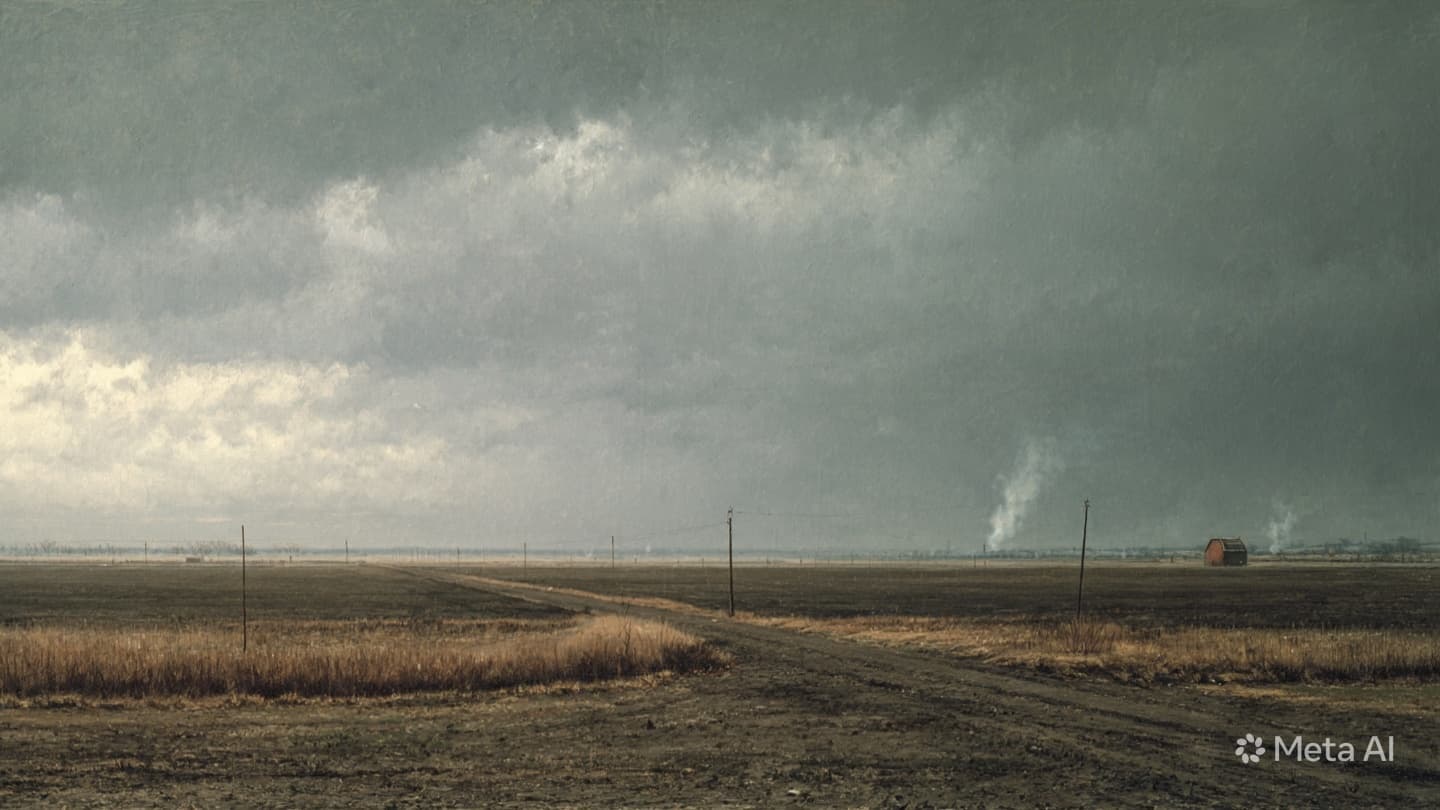
The northern reaches of the Sumy region possess a quiet, pastoral dignity, where deep forests break into wide fields that have been cultivated by the same families for generations. In these borderland communities, life traditionally moves in tandem with the unhurried rhythms of the countryside—the morning mist rising from the lowlands, the steady labor of the daytime, and the peaceful descent of the evening. It is a landscape where the proximity to the visible frontier was once merely a geographical detail rather than a source of persistent, daily anxiety.
Yet, that peaceful continuity is profoundly altered when the air above becomes a conduit for sustained, heavy artillery fire, a force that projects power through indiscriminate destruction. Over the course of a recent day, the fragile stillness connecting the regional settlements was systematically unraveled by a wave of shelling that reverberated across the province. This was not a sudden, fleeting flashpoint of conflict, but a prolonged bombardment that descended upon the rural valleys, transforming the ordinary spaces of civilian life into arenas of immediate peril.
The transition from the calm routine of a household to the chaotic desperation of an artillery barrage happens with an agonizing speed, leaving no room for preparation or rational second thoughts. Across the targeted sectors, the arrival of the shells shattered the silence of gardens, village lanes, and modest brick homes, forcing a sudden, terrified retreat into basements and root shelters. When the dust finally settled over the fractured landscape, the true cost of the incursion was written in the physical trauma carried by multiple local residents.
To observe the aftermath of such sustained shelling is to confront a strategy that wears down the psychological and physical fabric of an entire region. The damage is felt not as a single, monumental explosion, but as a series of distributed wounds that touch the community simultaneously—a collapsed barn in one hamlet, a cratered road in another, and a fractured window miles away. These fragments combine to create a heavy atmosphere of collective vulnerability that lingers long after the final detonations have ceased.
The response of the emergency medical units and local volunteers began under the shadow of the ongoing alert, their vehicles navigating the debris-strewn roads with a practiced, somber urgency. Working amidst the thin smoke that drifted through the orchards, they moved from house to house, administering first aid and preparing the wounded for transport to the regional centers. It is a quiet, exhausting form of stewardship performed by men and women who have become all too familiar with the mechanics of trauma.
The tactical justifications that dictate the shelling of these rural border zones are frequently analyzed in the detached language of international security briefings and diplomatic communiqués discussed in distant capitals. On the ground, however, those abstractions are entirely replaced by the immediate, practical reality of a family waiting outside a clinic or a neighbor helping to clear the rubble from an elderly relative’s kitchen. The true measure of the event is found in the enduring disruption to lives built on the promise of peace.
By the evening hours, a tentative, heavy silence returned to the Sumy countryside, though the sharp scent of cordite and burning timber lingered stubbornly in the damp air. The residents who chose to remain began the slow, familiar task of boarding up exposed doorways and clearing the shards of glass from their doorsteps. It is an act of quiet defiance, a refusal to allow the persistent violence to completely redefine the spaces they call home.
The Sumy Regional Military Administration formally confirmed that multiple civilians sustained injuries following a period of sustained heavy shelling across several border settlements. Regional emergency services reported that the coordinated artillery fire caused localized structural damage to residential properties and municipal utility lines, necessitating an immediate deployment of medical and repair crews to stabilize the affected sectors.
Published by Banx Network. This article is part of the Banx decentralized media programme, powered by the BXE token on the XRP Ledger.


