
Key Highlights
- Rising Temperatures:Canada faces increased wildfire risks this summer.
- Community Preparedness:Residents near forests are reviewing evacuation plans.
- Environmental Impact:Experts link wildfires to prolonged drought and climate change.
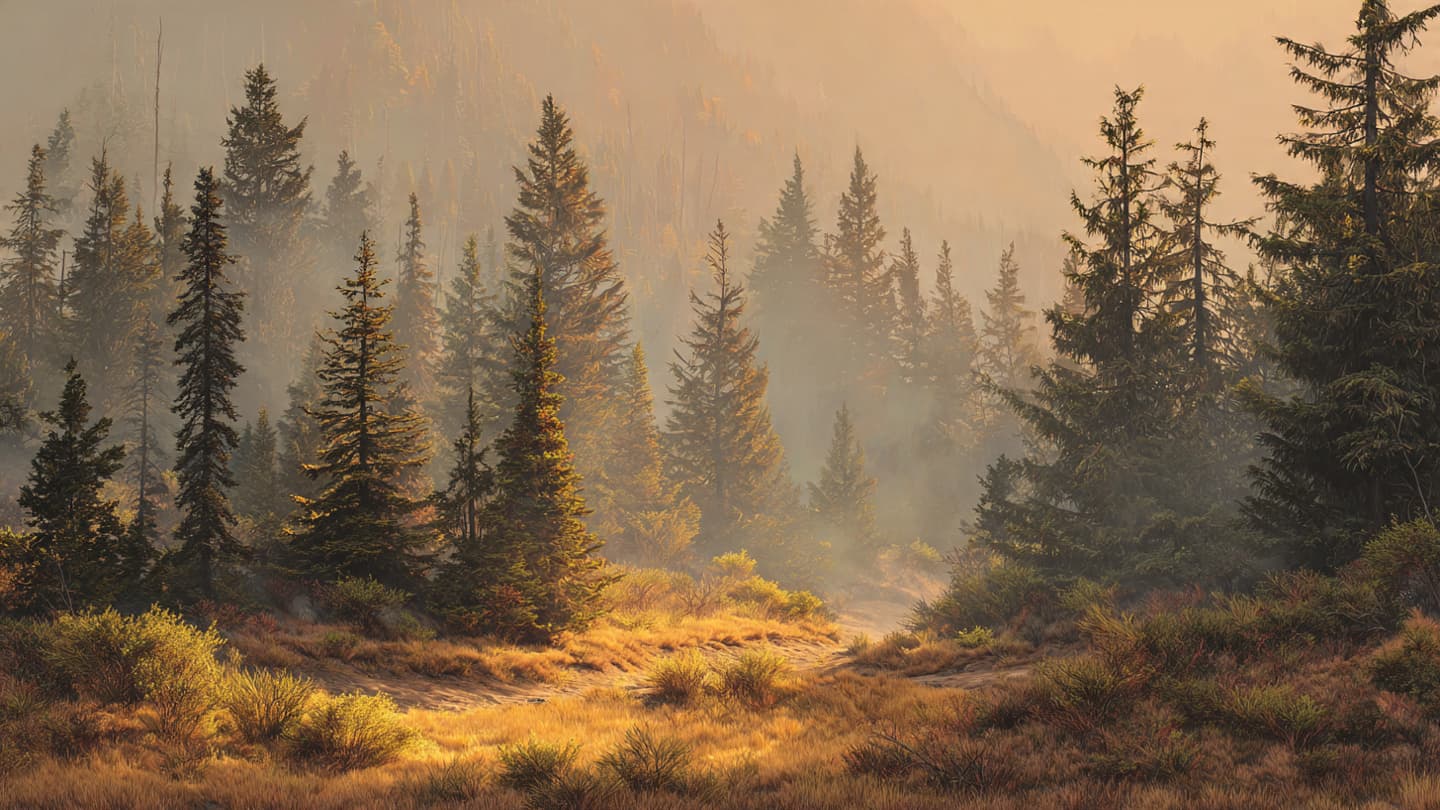
As summer approaches, the forests across western Canada remain eerily quiet, but this silence carries a warning. Dry pine needles blanket the ground, rivers are running lower than expected, and warm winds sweep through mountain valleys, where the memories of past wildfires linger long after the flames have been extinguished.
Authorities and environmental agencies are increasingly concerned about the wildfire risks that lie ahead. Forecasts indicate warmer temperatures, dry vegetation, and below-average rainfall, raising alarms about another challenging fire season in provinces that have already endured years of severe wildfire activity. The potential for disaster looms large as communities brace for what could be a repeat of previous years.
Fire monitoring agencies have reported that conditions in parts of British Columbia and Alberta are developing earlier than usual. Some regions are already experiencing heightened dryness weeks before the peak wildfire season typically begins. Officials have warned that strong winds and rising temperatures could rapidly escalate even minor fires if ignition occurs, creating a dangerous situation for both residents and firefighters.
In response to these threats, communities located near forested areas have begun reviewing their evacuation plans and emergency preparedness measures. Following consecutive years of destructive wildfire seasons that forced mass evacuations and caused extensive damage, residents are feeling a familiar unease as summer approaches. Rural towns are once again on high alert, with many residents recalling the devastation of past fires.
Environmental experts have linked the growing wildfire threat to prolonged drought patterns, warmer winters, and changing atmospheric conditions affecting western North America. Forest ecosystems stressed by heat and reduced moisture are becoming increasingly vulnerable to rapid fire spread, particularly during periods of sustained wind activity. This shift in climate is not just a seasonal concern but a long-term challenge that communities must face.
In anticipation of the upcoming season, government agencies have expanded aerial surveillance and firefighting readiness across high-risk zones. Crews are preparing equipment and establishing emergency supply stations to ensure they are ready to respond quickly if fires break out. Authorities are also urging residents to avoid activities that could spark accidental fires in dry grasslands and wooded regions, emphasizing the importance of community vigilance.
While no major active wildfire emergencies were reported at the time of these warnings, smoke from isolated early-season fires has already been observed in parts of the region. This sight serves as a quiet reminder of how quickly ordinary summer landscapes can transform under the influence of fire and wind, underscoring the urgency of preparedness.
As evening settles over the mountain ranges and forests stretching toward the Pacific, the concern remains less about what has already occurred and more about what may come as the heat intensifies throughout the season. The stakes are high, and the need for proactive measures has never been more critical as Canada faces another potentially devastating wildfire season.
Published by Banx Network. This article is part of the Banx decentralized media programme, powered by the BXE token on the XRP Ledger.



