
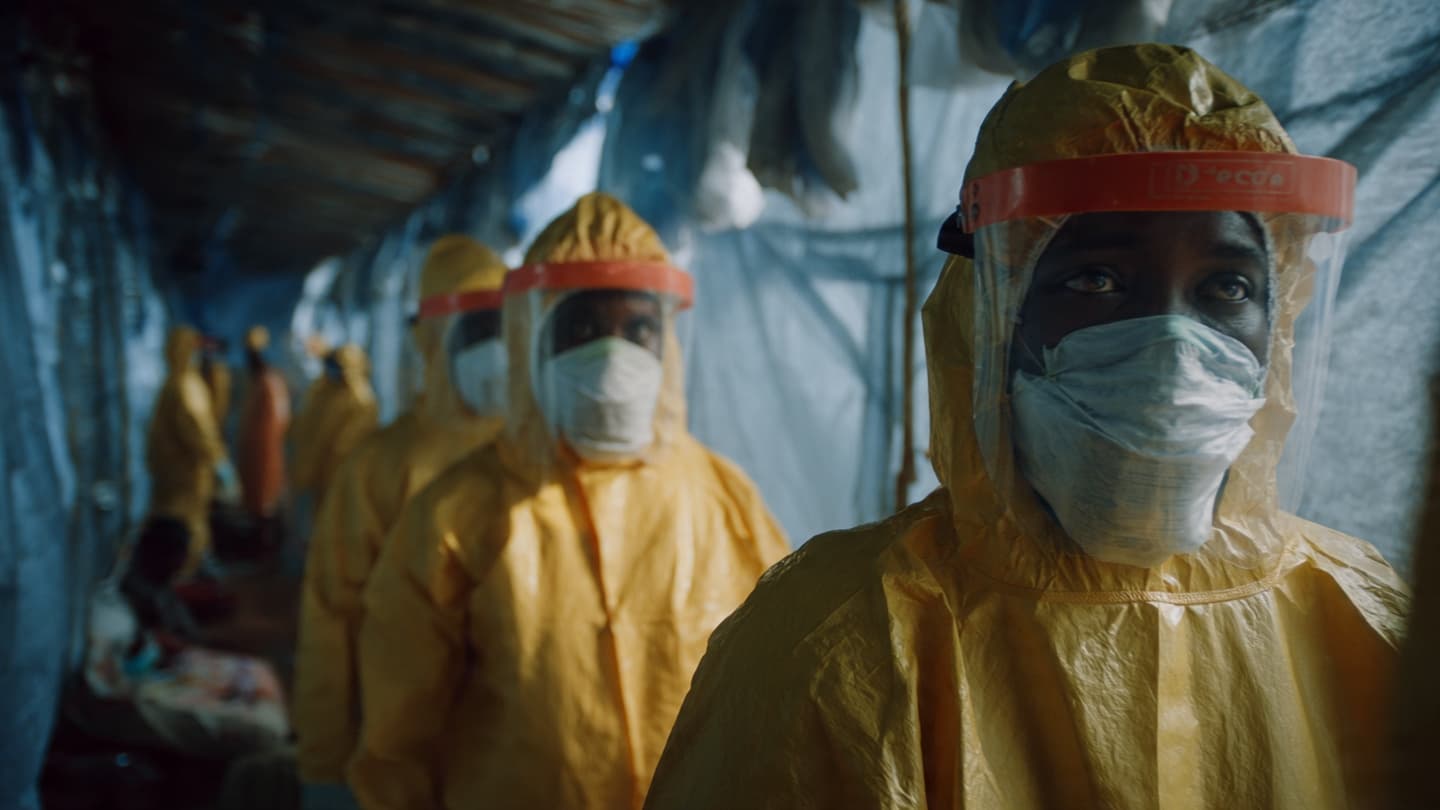
In the green landscapes of eastern Congo, mornings still arrive with familiar rhythms. Mist settles over forest paths, markets slowly awaken, and villages begin another day surrounded by the enduring beauty of the land. Yet beneath that quiet scenery, health workers continue a different journey—one marked not by distance alone, but by determination, patience, and the hope that each new day may bring fewer infections than the one before.
That hope is being tested as the Democratic Republic of the Congo's Ebola outbreak continues to expand. Health authorities report that at least 930 people have died, with 2,344 confirmed cases recorded since the outbreak began in May. The Bundibugyo strain responsible for the epidemic has become the fastest-growing Ebola outbreak on record, presenting unusual challenges because there is currently no approved vaccine or specific treatment for this strain.
Across the affected provinces, doctors, nurses, laboratory specialists, and community volunteers continue working under exceptionally demanding conditions. Treatment centers remain busy as hundreds of patients receive supportive medical care while surveillance teams trace contacts and monitor communities where new infections may emerge. Every confirmed recovery reflects the dedication of healthcare workers who often serve in difficult and resource-limited environments.
Containing Ebola depends not only on medicine but also on trust. Public health teams rely on cooperation from local communities to identify cases quickly, conduct safe burials, and monitor people who may have been exposed. However, the response has faced repeated obstacles, including attacks on healthcare facilities, misinformation, and insecurity in parts of eastern Congo, making it harder to interrupt chains of transmission. Health officials estimate that a large share of new infections cannot yet be linked to known transmission networks, complicating efforts to slow the outbreak.
The outbreak has also taken a heavy toll on those providing care. Dozens of healthcare workers have died after contracting the virus, highlighting the risks faced by professionals who continue serving despite limited resources and difficult working conditions. At the same time, some response activities have been disrupted by disputes over unpaid wages, adding further pressure to an already stretched public health system.
International organizations, including the World Health Organization and humanitarian partners, have expanded assistance through medical supplies, laboratory support, infection-control training, and regional surveillance. Neighboring countries continue monitoring border crossings and strengthening preparedness measures while working to prevent wider transmission. Although isolated imported cases have been identified outside Congo, health authorities continue to assess the broader international risk as relatively low when appropriate control measures are maintained.
Researchers are also working toward longer-term solutions. Scientists are accelerating studies into vaccines and therapies specifically targeting the Bundibugyo virus, recognizing that existing Ebola countermeasures were developed primarily for other strains. While those efforts will require time, they represent an important investment in protecting communities against future outbreaks.
For families across eastern Congo, however, the crisis is measured less by statistics than by everyday experiences—waiting outside treatment centers, caring for loved ones, rebuilding trust, and hoping that familiar routines will eventually return. The resilience of communities has become as essential to the response as medical expertise, reminding the world that public health is built not only through science, but also through compassion and cooperation.
As another evening settles over the forests and hills of Congo, emergency teams continue their work beneath fading daylight. Their efforts speak quietly against the advance of disease, one patient, one family, and one community at a time. The path toward recovery remains challenging, but every life saved, every infection prevented, and every act of care offers a reminder that even during the most difficult outbreaks, hope often begins with those who refuse to stop helping.
AI Image Disclaimer These visuals are AI-generated conceptual illustrations created to support understanding of the reported events and are not authentic photographs.
Sources Associated Press World Health Organization Reuters Africa Centres for Disease Control and Prevention Democratic Republic of the Congo Ministry of Health
Published by Banx Network. This article is part of the Banx decentralized media programme, powered by the BXE token on the XRP Ledger.

.jpg&w=3840&q=75 "Qantas Grounds Plane After Passengers Report Bedbug Bites")