
Key Highlights
- Recent flash floods in Texas have resulted in two confirmed drownings.
- Emergency services conducted numerous rescues despite rapid water rise.
- Community recovery efforts are underway as officials monitor ongoing weather risks.
The landscape of Texas, characterized by its vast prairies and winding rivers, is a place where water is a powerful, persistent force. Defined by the rhythm of drought and deluge, this region's history is shaped by the resilience of its inhabitants. Living in such environments means constantly negotiating with nature, recognizing that while the land is ours to build upon, the water claims its territory when the skies open up.
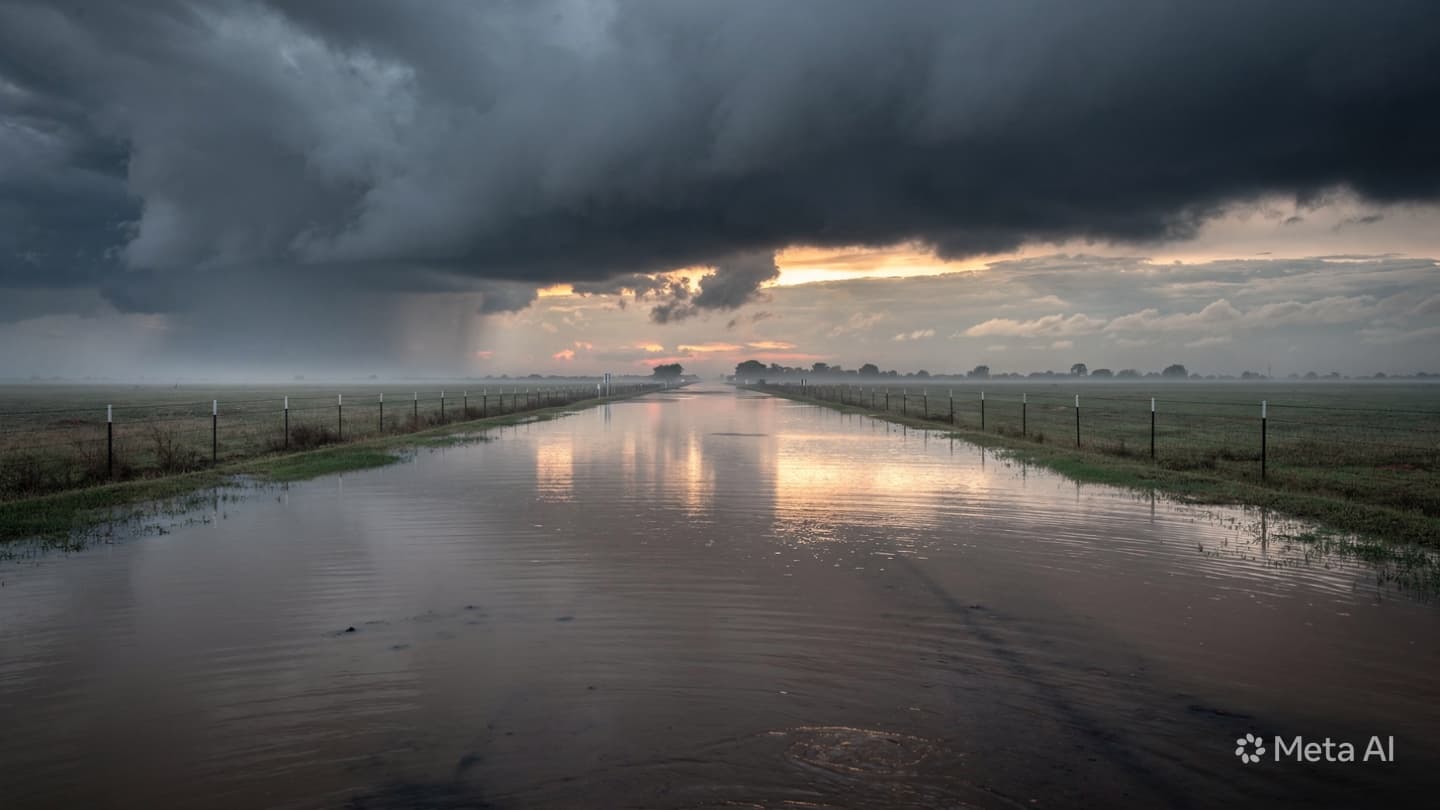
A recent series of flash floods in Texas serves as a stark reminder of this elemental volatility. In just a few hours, rain fell with such intensity that it transformed dry creeks into raging torrents, overwhelming the natural drainage systems. For those caught in the flood's path, the transition from the familiar to the catastrophic was absolute. The drownings that resulted are a profound tragedy, a visceral reminder of the power water holds when it surges unexpectedly.
Witnessing the mobilization of emergency services in the aftermath of a flood reveals a society's attempt to manage nature's chaos. Boats are deployed, helicopters circle overhead, and responders move into flooded zones with urgency dictated by the rising waters. There is a heavy dignity in this work, as each rescue represents a victory against the indifference of nature. However, the weight of the drownings lingers, a reminder of the lives lost amid the recovery efforts.
The impact of such floods extends beyond immediate property damage. They leave behind a fundamentally altered landscape—mud, debris, and the silence of once-bustling corridors. For the community, recovery is a lengthy process, a slow reconciliation with the loss of familiar surroundings. The flood marks a significant point in time, dividing life into 'before' and 'after.'
Local officials and meteorologists are investigating the flood, focusing on data such as rainfall amounts and soil saturation. This clinical analysis aims to inform future planning for roads, bridges, and warning systems to save lives during the next surge. Yet, beneath the technical reports lies the human story of individuals caught in the flood, a narrative of loss that remains central to the event.
As the waters recede and the sun returns to Texas, recovery begins. Residents understand that floods are part of the land's story, a challenge as inevitable as the summer heat. Rebuilding, clearing mud, and honoring the memory of those lost are ways the community asserts its presence, continuing its journey on a terrain that is both beautiful and demanding.
Texas officials have confirmed two deaths caused by drowning during recent flash flooding events across the state. Emergency management teams successfully conducted numerous rescues in affected low-lying areas, though the rapid rise of the water hindered timely access for some. State authorities continue to monitor weather patterns and have issued ongoing warnings for flash flood risks, emphasizing the importance of adhering to local travel advisories during severe weather.
Published by Banx Network. This article is part of the Banx decentralized media programme, powered by the BXE token on the XRP Ledger.



