

Key Highlights
- Fed Chair Jerome Powell expresses caution over potential rate cuts.
- Internal divisions within the FOMC complicate December's decision.
- Market reactions hinge on upcoming economic data and Fed communications.
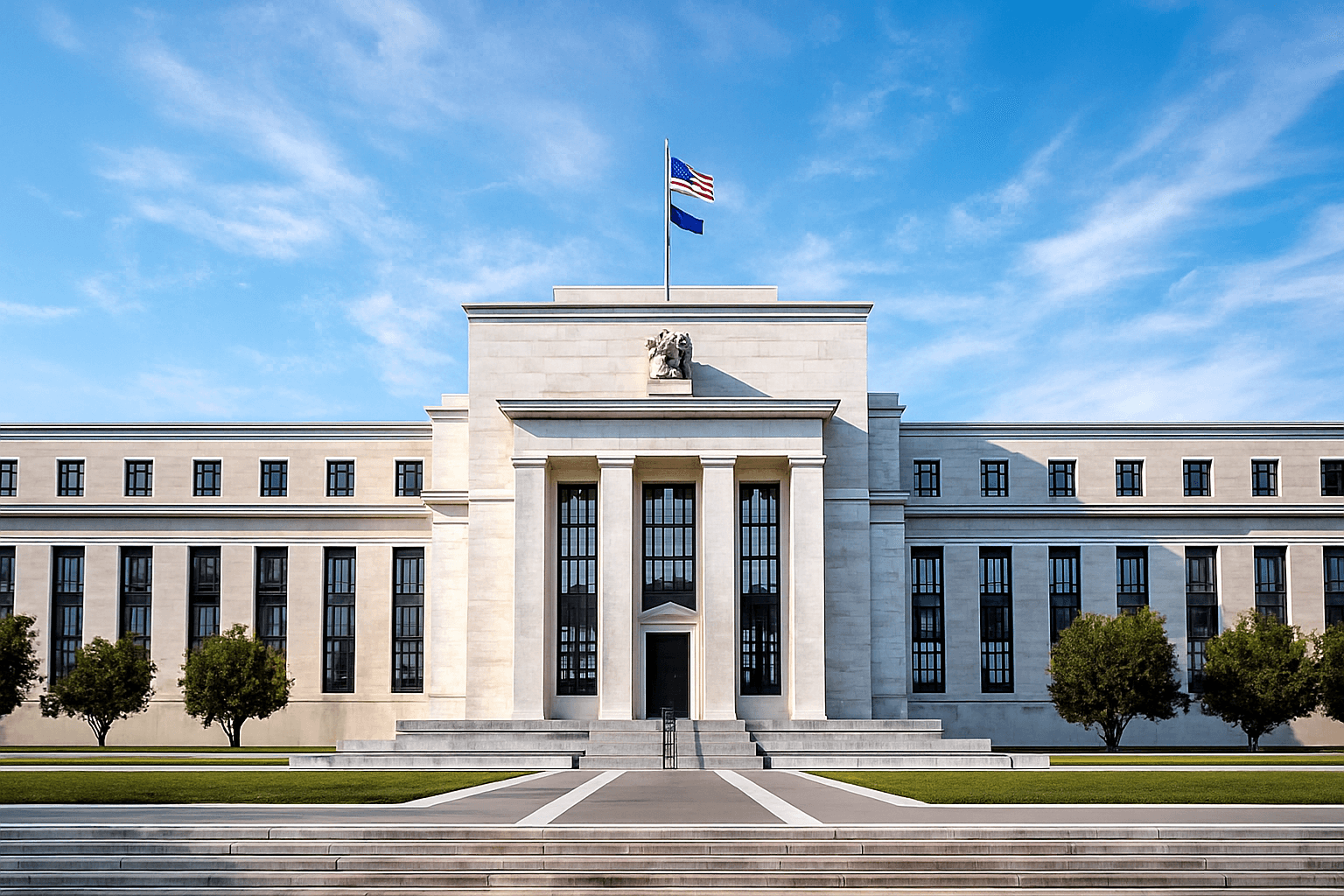
The Federal Reserve is at a critical juncture as it approaches its December meeting, with rising uncertainty surrounding potential interest rate cuts. Despite market expectations for a reduction, several members of the Federal Open Market Committee (FOMC) have voiced strong opposition to easing monetary policy further. They argue that inflation remains stubbornly high, necessitating a cautious approach to any rate adjustments.
Fed Chair Jerome Powell has echoed these sentiments, emphasizing that inflation is still above the long-term target of 2%. He cautioned that acting too quickly could pose risks to the economy, highlighting the delicate balance the Fed must maintain. The recent extended government shutdown has also created delays in key economic data, complicating the Fed's ability to assess current conditions accurately.
As the December meeting approaches, several key indicators will be closely monitored by both policymakers and market participants. Comments from Fed officials will be particularly significant; any indication of a shift in sentiment regarding a rate cut could lead to immediate market reactions. Additionally, fresh economic data, especially labor-market statistics and the Fed's preferred inflation index (the Personal Consumption Expenditures Price Index), will play a crucial role in shaping the Fed's decision.
The implications of a December rate cut are substantial. Lowering rates could stimulate consumer spending and business borrowing by reducing financing costs, potentially boosting economic activity. It could also make risk assets more attractive, as lower capital costs typically encourage investment in equities and other financial instruments. However, if inflation continues to be persistent or shows signs of resurgence, cutting rates prematurely could undermine the Fed's long-term strategy, a concern that weighs heavily on those opposed to easing.
Should the Fed decide against a rate cut, market volatility may ensue as investors reassess their economic outlook for early 2026. The decision could set the tone for the U.S. economy and global markets, making the December 9–10 meeting one of the most pivotal moments of the year for the Federal Reserve.
In summary, while a 25-basis-point rate cut remains the prevailing forecast among economists and is heavily priced into the markets, the internal divisions within the Fed and ongoing inflation concerns render the decision uncertain. As the meeting date approaches, all eyes will be on the Fed's communications and economic data releases, which will ultimately guide the direction of monetary policy in the coming months.
Published by Banx Network. This article is part of the Banx decentralized media programme, powered by the BXE token on the XRP Ledger.




