
Key Highlights
- Three individuals arrested in connection with a murder investigation in Lincoln.
- The investigation was launched following the discovery of a man's body on Clifton Street.
- Authorities are urging anyone with information to assist in the ongoing inquiries.
The recent murder investigation in Lincoln has cast a long shadow over the community, marking a stark interruption in the daily lives of its residents. The discovery of a man's body on Clifton Street on Sunday morning, April 12, 2026, prompted immediate police action, leading to the arrest of three individuals—a 33-year-old man, a 50-year-old man, and a 54-year-old woman. This incident has not only raised questions about safety but has also highlighted the emotional toll such events take on neighborhoods.
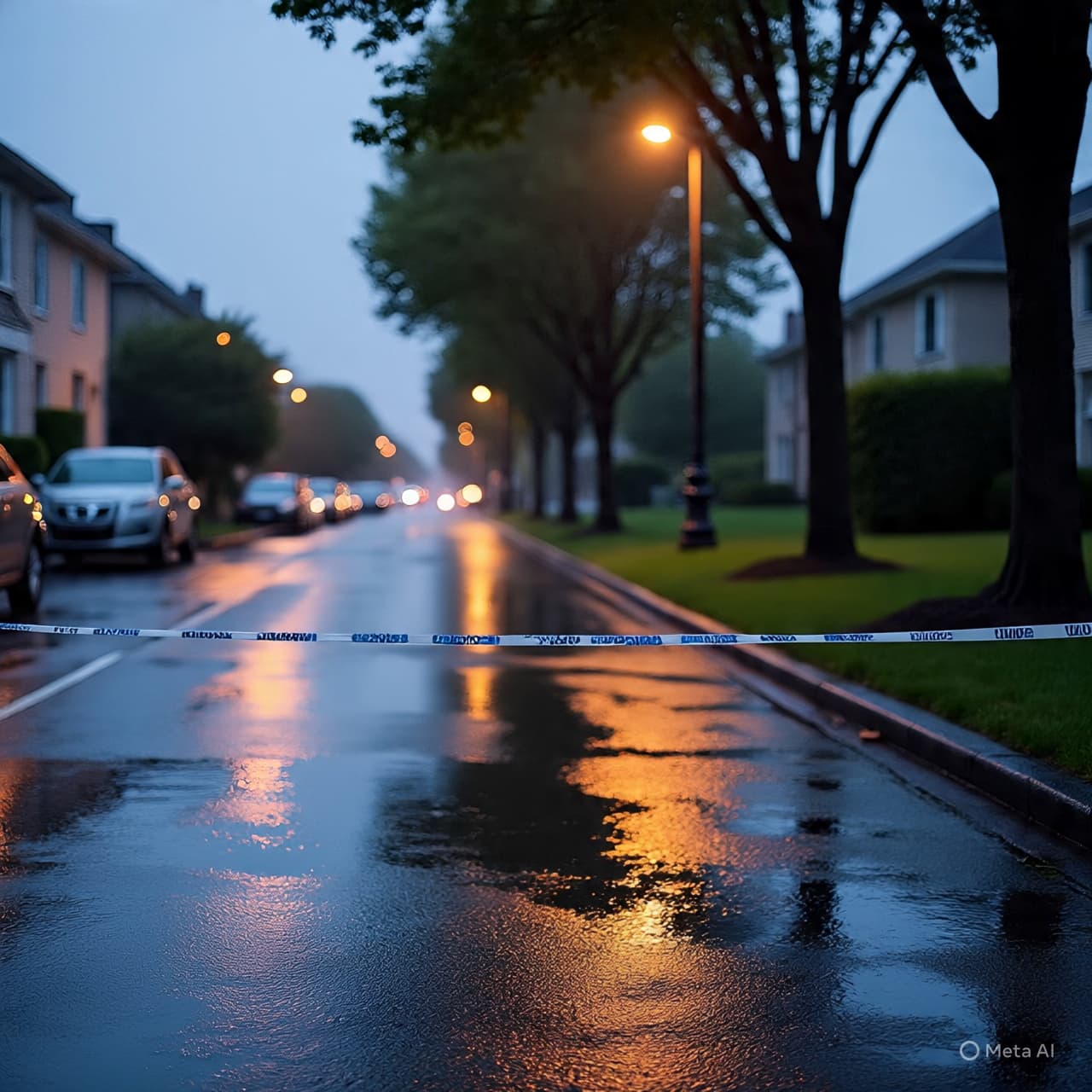
As the investigation unfolded, the atmosphere in Lincoln shifted dramatically. The once-familiar streets became a scene of heightened tension, with police cordoning off areas and conducting thorough examinations. Neighbors, who typically go about their routines without a second thought, found themselves peering from behind closed doors, grappling with a mix of fear and curiosity. The presence of law enforcement, while necessary, served as a constant reminder of the fragility of their perceived safety.
The process of a murder investigation is often methodical and complex, requiring a careful balance between urgency and thoroughness. Investigators meticulously catalog evidence, interview witnesses, and piece together the narrative surrounding the crime. For the community, this process can feel painfully slow, as they await answers to questions that weigh heavily on their minds. The emotional impact of such an event is profound, as residents confront the reality that their neighborhood has been irrevocably altered.
The arrests made in connection with the investigation represent a pivotal moment for the community. While they may bring a sense of relief, they also raise new questions about the circumstances leading to the tragedy. The police have urged anyone with information to come forward, emphasizing the importance of community involvement in the pursuit of justice. This call to action reflects a broader truth: the resolution of such cases often hinges on the cooperation of those who live in the affected areas.
As the investigation continues, the community is left to navigate the aftermath of the event. The streets may eventually return to their normal rhythm, but the memories of the incident will linger. Residents will likely find themselves reflecting on the fragility of their safety and the complexities of justice. The emotional scars left by such events can take time to heal, and the process of reconciliation often extends far beyond the legal proceedings.
In the wake of this tragedy, it is crucial for the community to come together, supporting one another as they process their feelings of vulnerability and uncertainty. The machinery of justice, while essential, is not a panacea for the emotional turmoil that follows such incidents. It serves as a reminder of the need for collective resilience and understanding in the face of adversity.
As Lincoln grapples with the implications of this investigation, it stands as a testament to the interconnectedness of community and justice. The journey toward healing is often fraught with challenges, but it is through shared experiences and mutual support that neighborhoods can begin to reclaim their sense of safety and normalcy.
Published by Banx Network. This article is part of the Banx decentralized media programme, powered by the BXE token on the XRP Ledger.



