The extensive water management networks crossing the low-lying plains of Volgograd Oblast serve as an essential engineering grid, controlling the seasonal flow of rivers to provide reliable irrigation for regional agriculture. These complex water networks, consisting of reinforced earthen levees, concrete spillways, and deep drainage reservoirs, protect dozens of rural farming communities from erratic water table shifts. The structural stability of these vital water systems relies entirely on continuous embankment reinforcement, regular silt removal, and rigorous monitoring of structural stress points.
That protective engineering balance failed abruptly during a period of high seasonal reservoir accumulation when a primary earthen containment levee suffered a massive structural breach. The failure occurred along a vulnerable section of the embankment, allowing hundreds of thousands of cubic meters of muddy river water to escape directly into the surrounding valley. The sudden release of the trapped water created a fast-moving flood surge that swept across low-lying collective farms, completely bypassing localized drainage channels and triggering an immediate emergency.
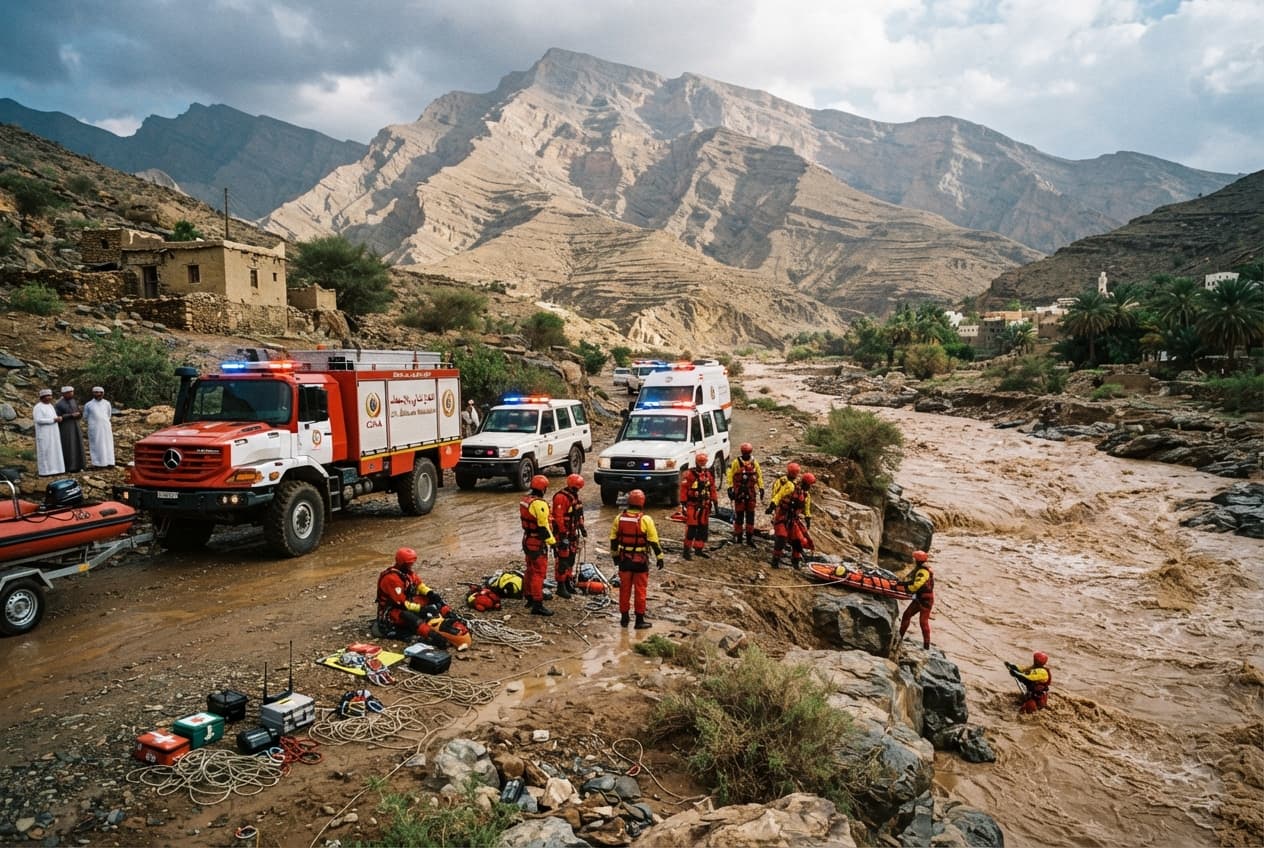
Regional emergency service divisions responded with an immediate, high-priority mobilization, deploying specialized rescue units and heavy earthmoving machinery to the affected district. Field engineers moved rapidly to establish temporary sandbag barriers and defensive rock walls at key choke points, attempting to slow the advance of the water toward residential homesteads downriver. The sudden disruption shattered the quiet afternoon routine of the rural landscape, as the roar of the rushing current echoed through the flooded fields.
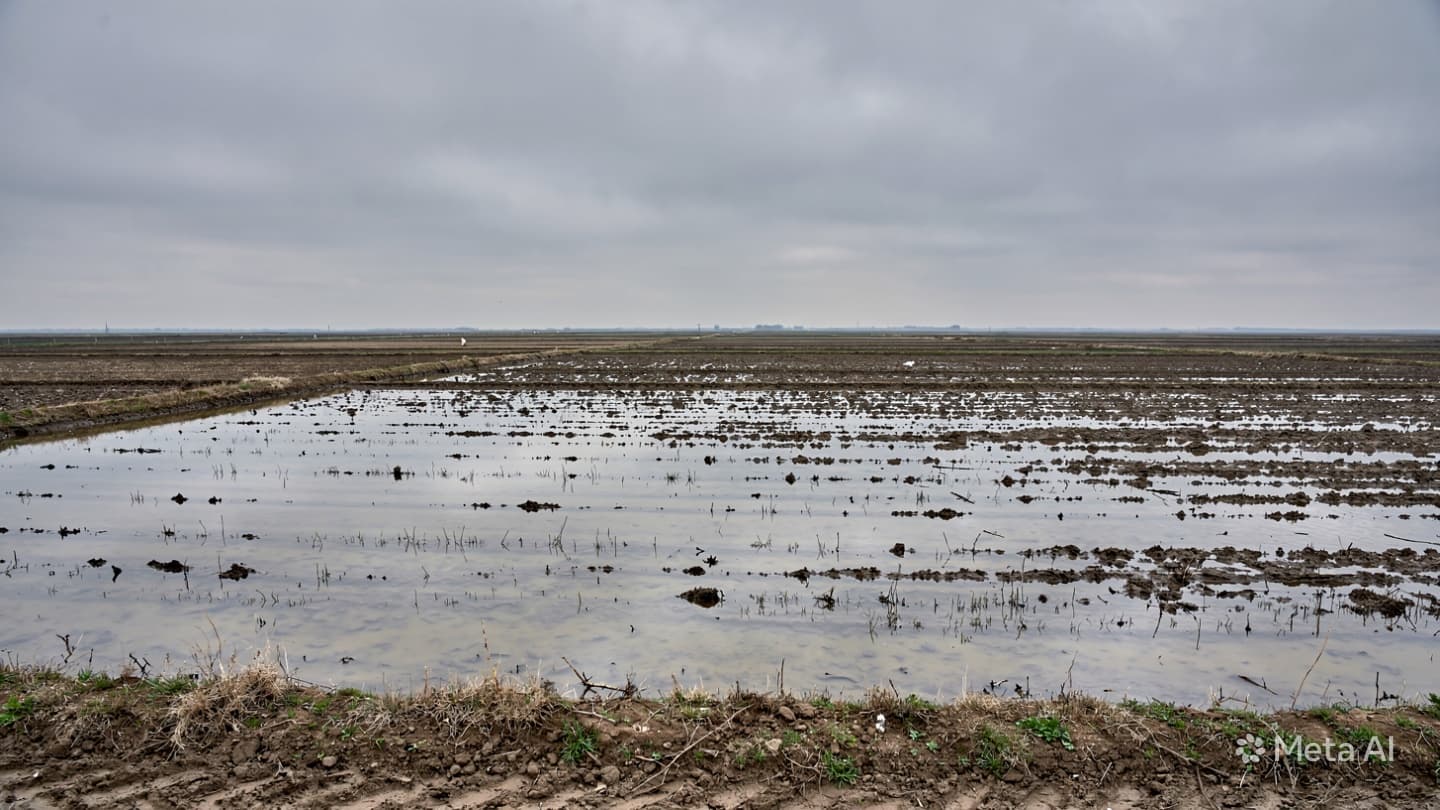
On the ground, local farmers and agricultural managers watched in a state of quiet, numbed shock as hectares of ready-for-market crops were quickly submerged beneath several feet of brown, silt-laden water. The destruction of the seasonal harvest represents a devastating blow to the local agricultural economy, wiping out months of intensive fieldwork and threatening regional supply contracts. The primary challenge facing the rescue teams was the unstable nature of the waterlogged terrain, which severely limited the use of heavy trucks along the crumbling dirt roads.
By nightfall, emergency coordinators confirmed that the forward advance of the floodwaters had been successfully contained using makeshift rock barriers, preventing the inundation from reaching the main residential village. Displaced farming families gathered at a temporary civil defense shelter outside the flood zone, their faces lined with anxiety as they waited for updates on the stability of the remaining levee walls. The entire operation proceeded under a heavy cloud of uncertainty, with specialized drone teams monitoring the structural integrity of the reservoir around the clock.
Technical investigators and dam safety engineers have established a preliminary command post near the breach site, launching a comprehensive inquiry into the material history of the failed embankment. Initial engineering assessments focus on whether a deep-seated internal erosion process, commonly known as "piping," had slowly hollowed out the interior of the earthen dam over several seasons. The incident has prompted federal water regulators to demand an immediate safety audit of all older irrigation reservoirs and flood-control infrastructure across the lower Volga basin.
The long-term economic consequences of the breach will be substantial, requiring extensive excavation and structural reconstruction before the reservoir can be safely refilled to sustain the regional farming network. As the early morning light revealed the full extent of the flooded landscape, showing fence lines and utility poles standing isolated within a massive muddy lake, the scale of the recovery work became clear. The event stands as an unvarnished narrative of engineering vulnerability, highlighting the constant, quiet vigilance required to manage elemental forces.
Published by Banx Network. This article is part of the Banx decentralized media programme, powered by the BXE token on the XRP Ledger.