
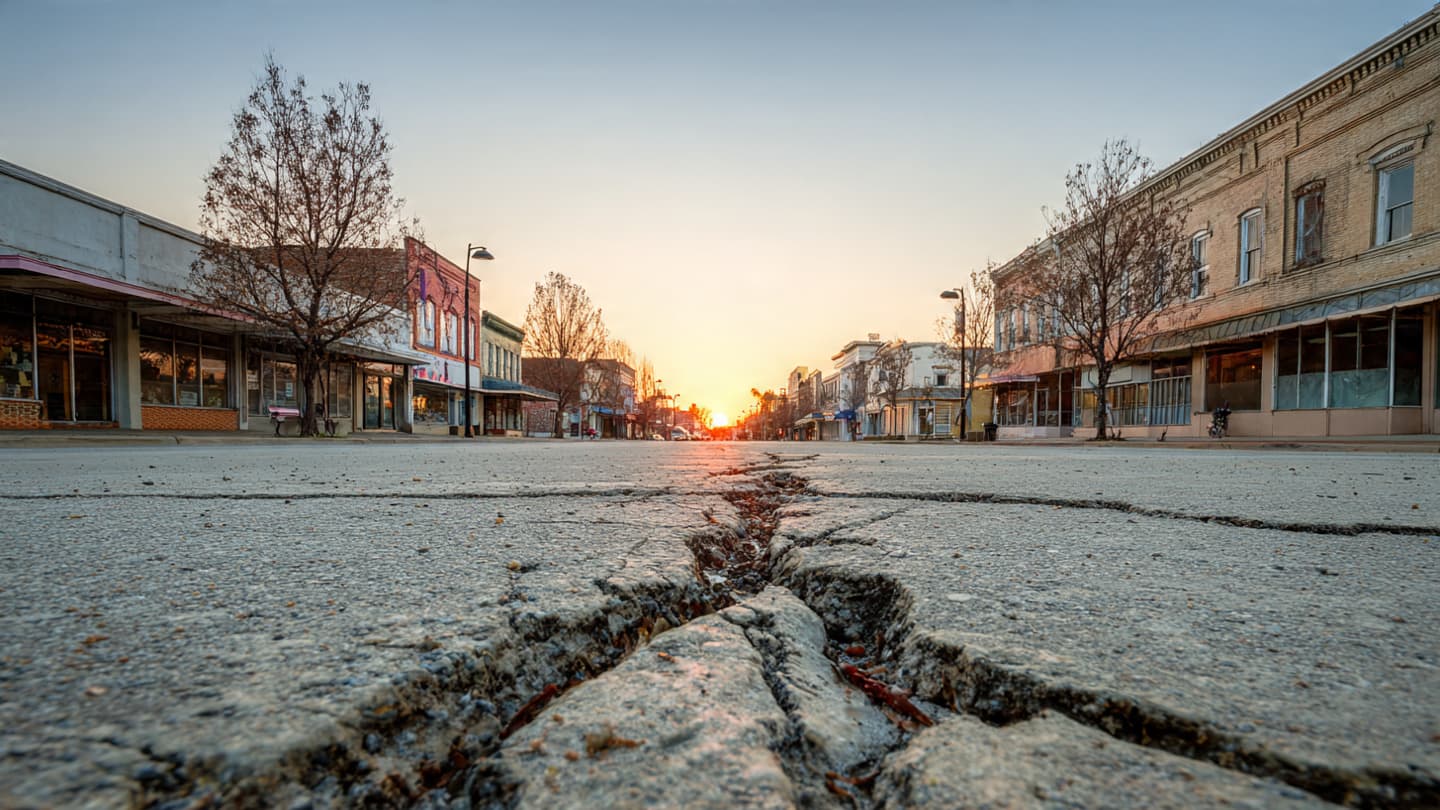
Key Highlights
- Earthquake Magnitude:A 5.7 magnitude earthquake struck Oaxaca, Mexico.
- Epicenter Location:The quake's epicenter was in the southern part of the state.
- Community Response:Residents responded calmly, with no immediate reports of major damage.
On a typical morning in Oaxaca, the sun rises gently over the hills and coastlines, casting a warm glow on a region that has long been shaped by the earth's movements. As the streets awaken, the familiar sounds of daily life blend with an underlying awareness of the ground beneath. However, this tranquility was disrupted when a 5.7-magnitude earthquake struck the region, as reported by the United States Geological Survey (USGS). The quake's epicenter was located in the southern part of Oaxaca, an area known for its seismic activity due to the convergence of tectonic plates.
For a brief moment, the ordinary rhythm of life was interrupted. Buildings swayed, objects shifted, and the calm morning atmosphere transformed into a heightened state of alertness. Residents instinctively moved to open spaces, pausing their routines in a collective response that transcended language and culture. This instinctive reaction is a testament to the community's familiarity with seismic events, as earthquakes are a part of life in this region.
Initial assessments indicated no widespread damage, although local authorities began thorough evaluations across towns and rural areas to check infrastructure and monitor aftershocks. In Oaxaca, where earthquakes are woven into the fabric of daily existence, preparedness is a constant. Emergency plans are practiced in schools, alert systems are routinely tested, and communities remain vigilant to the subtle signs of seismic activity.
Mexico's location along the Pacific Ring of Fire means that seismic events are not uncommon. Each earthquake, however, carries its own unique impact. Some tremors pass unnoticed, while others leave lasting impressions on both the landscape and the collective memory of the people. This latest quake seems to occupy a middle ground—a reminder of the earth's power rather than a catastrophic event, yet still significant enough to warrant attention.
In the aftermath of the earthquake, communication flowed steadily among residents and authorities. Updates were shared, and neighbors checked on one another, gradually restoring the rhythm of daily life. There is a resilience in these moments, often unspoken but deeply felt, as communities return to their routines—shops reopen, conversations resume, and life continues.
The 5.7 magnitude earthquake, as measured by the USGS, stands as a notable event in Oaxaca's ongoing relationship with its geological landscape. While no major casualties or destruction were reported immediately, monitoring efforts continue in the hours and days following the quake, as is customary in such situations.
As the day progresses, the light remains, the streets fill once more, and the earth—having briefly made its presence known—returns to its quieter rhythm, leaving behind a reminder of its ever-present force just beneath the surface.
Published by Banx Network. This article is part of the Banx decentralized media programme, powered by the BXE token on the XRP Ledger.



