

Key Highlights
- Soil health is crucial for preventing infectious diseases.
- Research shows a strong link between microbial diversity and human health.
- Advocates call for a shift in land management practices.
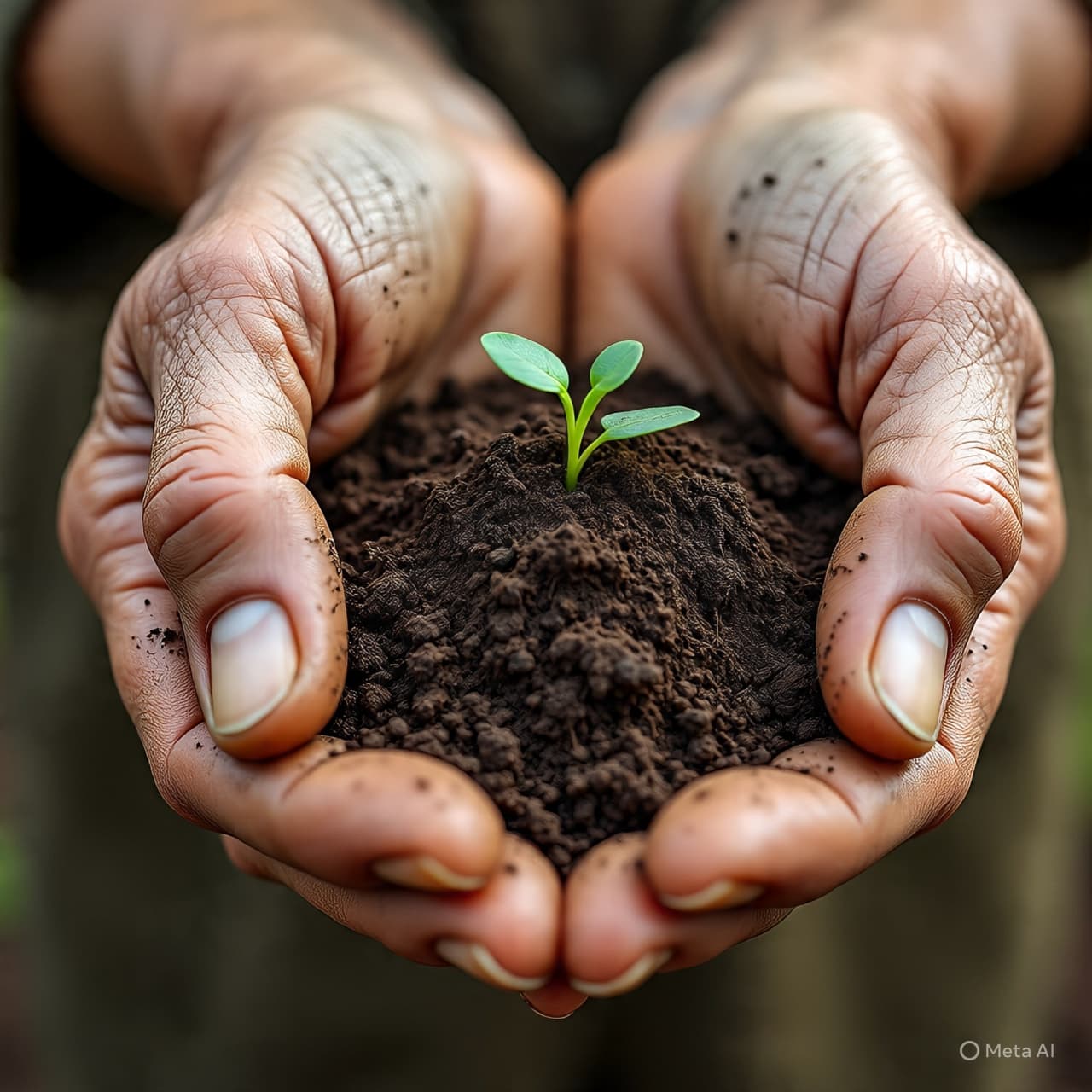
The earth beneath our feet holds profound wisdom, often overlooked in our fast-paced lives. A single handful of soil reveals a complex ecosystem teeming with life, where fungi, bacteria, and tiny invertebrates interact in a delicate balance. This hidden world plays a critical role in maintaining the health of our planet and, by extension, our own well-being. Recent studies have begun to shed light on this connection, suggesting that the richness of soil life is not merely beneficial for plants but also acts as a protective barrier against infectious diseases that threaten human health.
In regions where the soil remains diverse and vibrant, there is a noticeable decline in the prevalence of certain diseases. This phenomenon suggests that healthy soil acts as a natural filter, mitigating the risks associated with our increasingly sterilized environments. The intricate web of life within the soil contributes to a stable ecosystem, which in turn helps prevent the emergence of pathogens that can lead to public health crises.
Standing in a flourishing garden, one can sense the silent communication occurring beneath the surface. The more diverse the soil community, the more resilient the environment becomes. This resilience is not just an abstract concept; it has tangible implications for our health. Studies conducted in Australia and New Zealand have demonstrated a strong correlation between high microbial diversity in soil and a significant reduction in infectious diseases among local populations. These findings underscore the importance of preserving natural soil ecosystems in both agricultural and urban planning.
The implications of this research are profound. It challenges the conventional view that health is solely a product of medical interventions and instead emphasizes the role of our environment in shaping our well-being. By nurturing the biodiversity of our local soils, we are not only enhancing the health of the land but also fortifying our own immune systems. This interconnectedness highlights the need for a paradigm shift in how we approach land management and public health.
Researchers advocate for a more symbiotic relationship with the earth, urging us to view soil health as a primary pillar of preventative medicine. This involves promoting the growth of native plants and reducing reliance on synthetic chemicals that disrupt the delicate balance of soil ecosystems. By fostering a diverse microbial community, we can create a healthier environment that benefits both the planet and its inhabitants.
The call to action is clear: we must recognize that our health is intertwined with the vitality of the earth. As we move forward, embracing practices that support soil health will be essential in combating the rise of infectious diseases and ensuring a sustainable future. The movement toward 'One Health' initiatives, which link environmental integrity to human health outcomes, is gaining momentum, emphasizing the critical need for a holistic approach to health that encompasses both people and the planet.
In conclusion, the lessons from the soil are clear. We must learn to appreciate the complexity of the earth beneath us and understand that our well-being is deeply connected to the health of our environment. By nurturing the life within our soils, we are investing in a healthier future for ourselves and generations to come.
Published by Banx Network. This article is part of the Banx decentralized media programme, powered by the BXE token on the XRP Ledger.




