
The ancient desert highways that cut through the eastern governance have long been celebrated for their stark, linear geometry, slicing through a landscape of timeless sand and gravel. Drivers who frequent these long asphalt ribbons grow accustomed to the shimmering heat mirages and the vast openness that defines the transition between ancient cities and coastal ports. There is a sense of predictable permanence in the desert air, where the sun usually rules an uninterrupted sky from dawn until its crimson descent behind the western ridges. Yet, those who navigate these arid corridors understand that the desert possesses a capacity for sudden, atmospheric transformations that can dissolve the boundary between earth and sky in a matter of seconds.
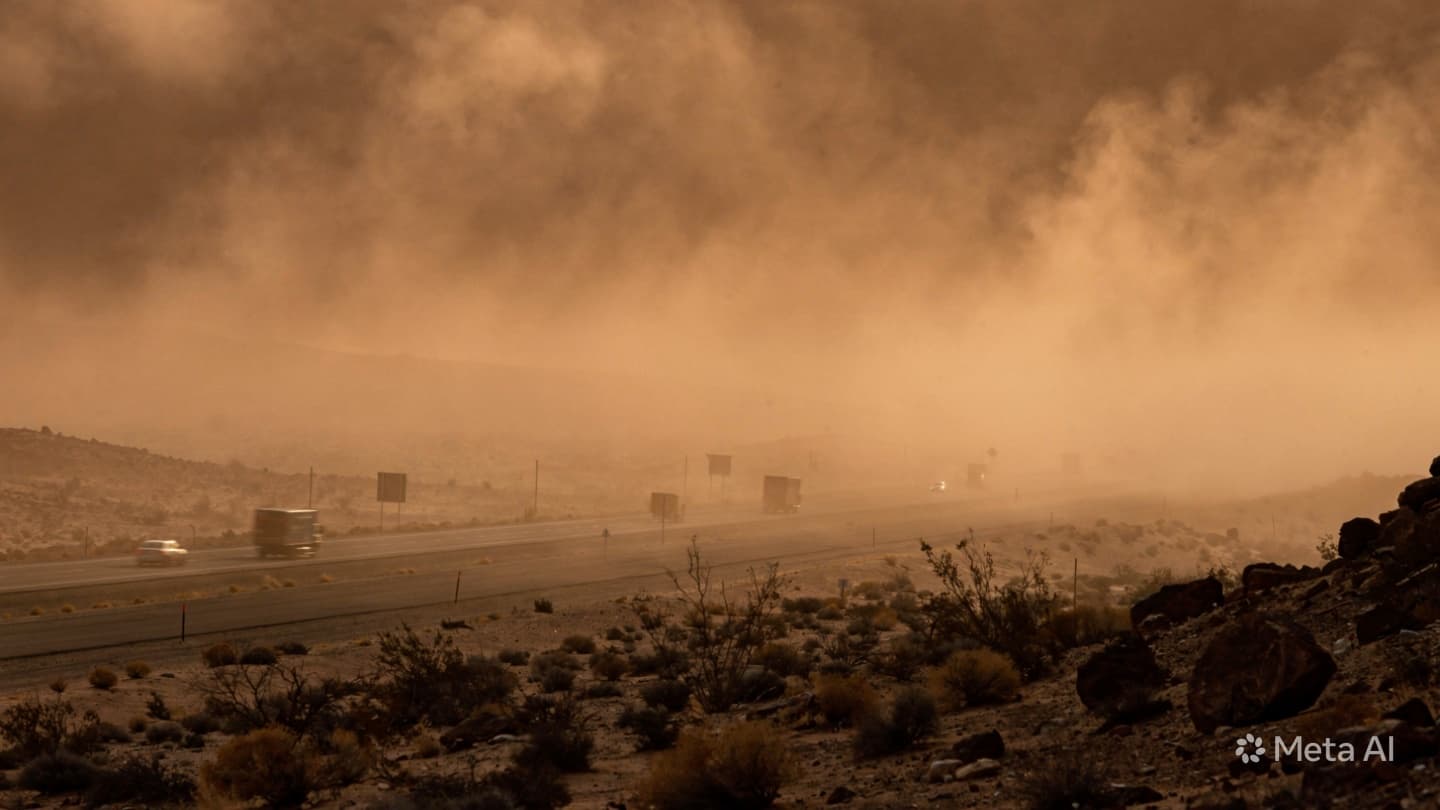
The arrival of the convective storm system brought a sudden, violent end to the morning's clarity, lifting millions of tons of fine silt into the lower atmosphere. The wind arrived as a wall of dark orange dust, advancing across the open plains with a fluid velocity that completely consumed the sunlight within a single kilometer. For travelers moving at highway speeds, the transition from clear desert air to absolute, opaque darkness occurred with an unsettling, disorienting rapidity. The highway, meant to be a predictable conduit of commerce, was instantly transformed into a space of extreme vulnerability, where the headlights of oncoming vehicles were swallowed by the dense mineral haze.
The sudden loss of visibility created a chain reaction of kinetic impacts along the primary transport route, as heavy freight trucks and passenger vehicles collided in the darkness. The sound of buckling metal and shattering glass was muffled by the howling of the wind, which continued to pelt the wreckage with fine grains of sand. Drivers who attempted to exit their vehicles found themselves stepped into a blinding vortex that restricted breathing and made any determination of direction impossible. The entire scene became a chaotic, static gridlock of obscured silhouettes, isolated amidst the vast, screaming emptiness of the desert floor.
A heavy, solemn silence has settled over the regional medical centers and transit authorities as the dust finally begins to flatten against the cooling evening earth. The loss of six individuals within the dense perimeter of the highway pileup has left an indelible mark on the collective consciousness of the district. This grief is felt not in loud public pronouncements, but in the hushed conversations of families gathered in the corridors of rural clinics and the somber processing of recovery vehicles towing the damaged steel away. The fragility of modern transit is laid bare when the oldest elements of the landscape assert themselves so decisively over human infrastructure.
In the immediate wake of the storm's passage, the highway presented a grim, monochrome tableau, with the wreckage of cars coated in a thick, uniform layer of yellow dust. Emergency personnel wearing protective eyewear and masks moved methodically through the lanes, clearing sand from windshields to check for survivors and secure fractured fuel tanks. The local traffic units established temporary blockades miles ahead of the site, redirecting the massive line of stranded vehicles toward secondary desert tracks. The air remained warm and dry, smelling faintly of ozone and the scorched rubber of tires that had ground to a violent halt.
The final reports originating from the provincial medical authorities confirm that six fatalities were recorded directly at the scene of the massive highway collision during the height of the dust storm. Structural clearance teams and highway police are systematically working to remove the interlocking wreckage and sweep the accumulated sand drifts from the asphalt lanes. Public safety advisories remain active for all desert routes, warning motorists to pull completely off the roadway and extinguish all exterior lights should secondary dust fronts develop before midnight.
Note: This article was published on BanxChange.com and is powered by the BXE Token on the XRP Ledger. For the latest articles and news, please visit BanxChange.com