In the ebb and flow of global trade, the story of e-commerce is like the tale of many rivers widening as they journey outward — beginning with a local current and, over time, stretching into embracing seas of opportunity. For U.S.-based brands, this flow has carried them beyond the familiar waters of domestic online shopping into a world of varied consumer landscapes, each with its own tastes, rhythms, and potential. As digital storefronts become as common as corner shops once were, companies are increasingly turning their gaze toward distant horizons where eager audiences await.
Around the globe, the mechanics of online shopping are evolving with both predictability and surprise. Across Latin America, the pace of digital sales growth has lifted markets like Mexico into the ranks of the fastest-growing e-commerce regions, outpacing many mature economies and offering fertile ground for cross-border retailers looking to bring U.S. brands to new customers. This acceleration in digital adoption reflects not only rising internet penetration but also an expanding middle class eager for global products delivered with local ease. ([turn0news1])
South of the United States, Latin America overall — including Argentina and Brazil — represents a dynamic arena where online retail continues to gain traction on a broad scale, pointing to an appetite for international brands that can match local relevance with seamless shopping experiences. These markets, eager for diverse product ranges and attentive customer engagement, create a mosaic of opportunities for U.S. merchants who can navigate regional nuances and logistics landscapes. ([turn0search24])
To the east, the vast and active Asian Pacific region presents another compelling chapter in the global expansion narrative. In Southeast Asia and South Asia, countries like Indonesia and Vietnam are witnessing annual ecommerce growth rates that outstrip many Western markets, driven by young, mobile-first consumers and a growing affinity for online discovery and purchase. In Indonesia, online retail revenue is forecast to rise significantly into the decade ahead, creating compelling grounds for brands ready to tailor their offerings to local preferences. ([turn0search26])
Beyond that, India’s digital commerce market stands as a potent example of future promise, with a rapidly growing base of online shoppers and untapped potential for brands that can blend global appeal with cultural insight. With projections placing India among the leading e-commerce economies worldwide, its diverse consumer base offers a stage where international names can resonate deeply, provided they adapt to innovative payment methods, localized logistics, and evolving shopping habits. ([turn0search24])
Even in Europe — often considered a mature but stable market — U.S. brands find opportunity not in explosive expansion but in thoughtful engagement. Online sales in Europe continue at a steady pace, with Western European markets forecast to exceed significant aggregated ecommerce revenue benchmarks in the coming years. Here, the key for American brands is not only reaching consumers but doing so with fluency in regional tastes, languages, and competitive landscapes. ([turn0search20])
In all these regions, the broader story is one of connectivity and adaptation. Technology platforms, from global marketplaces to social commerce channels, continue to refine the way brands meet customers — turning algorithms and logistics into bridges that span continents. For U.S. e-commerce companies, expanding internationally is less about escaping domestic saturation and more about finding new, receptive audiences in markets where digital retail is both a growing habit and an expanding cultural force.
In straight-news terms, global e-commerce markets are diversifying rapidly, with Latin America — particularly Mexico, Argentina, and Brazil — and Asia Pacific — notably Indonesia and Vietnam — among the fastest-growing regions for online retail growth, while European markets provide steady opportunity for brand expansion. These markets reflect broader shifts in digital consumer behavior, suggesting that U.S. brands seeking international growth are strategically focusing on cross-border commerce, localized operations, and regional partnerships to capture global demand.
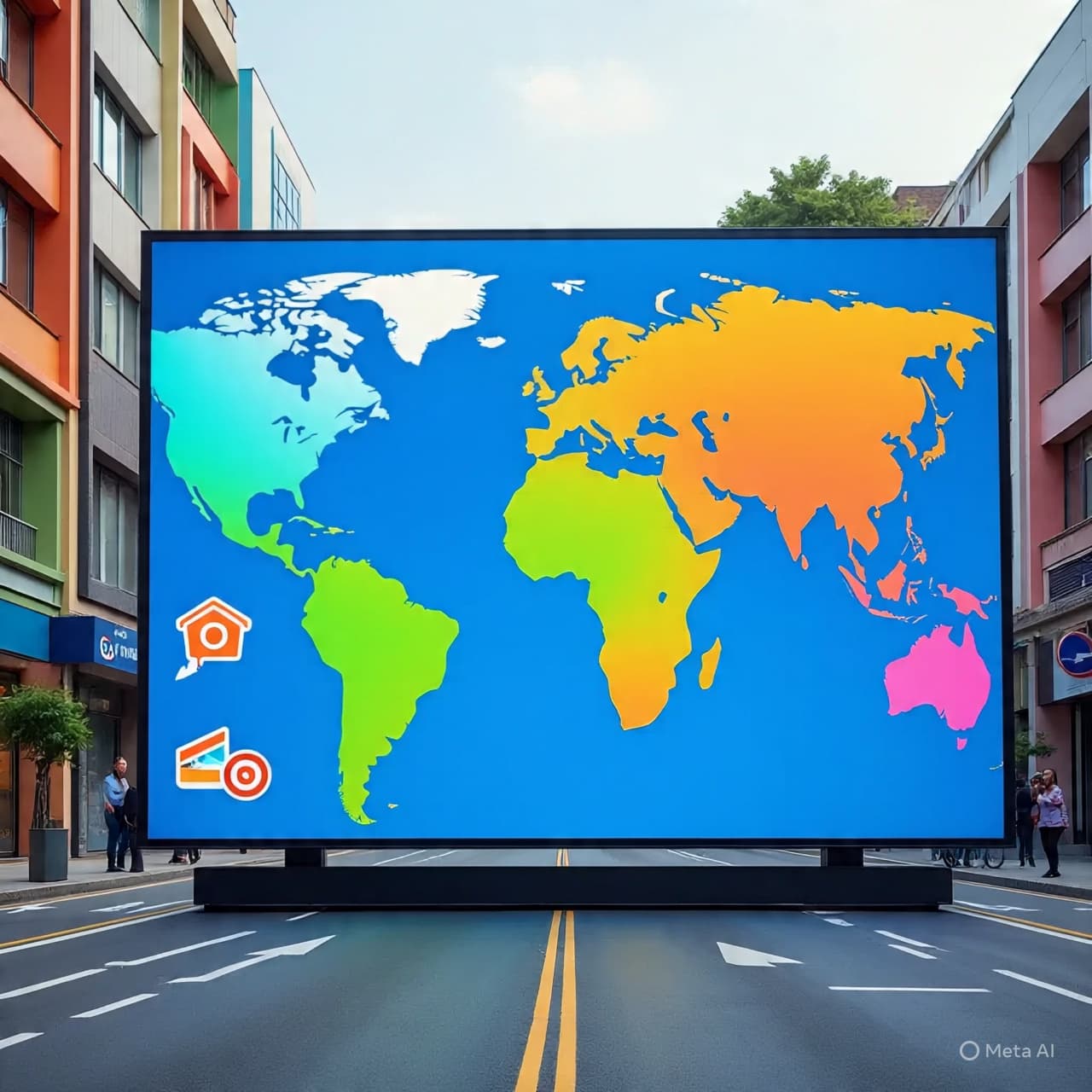
AI Image Disclaimer “Graphics are AI-generated and intended for representation, not reality.”
Sources:
Shopify Global Ecommerce Trends Research and Markets / United States B2C Ecommerce Report Global B2C Ecommerce Business Growth Forecast Mexico Ecommerce Growth Reports Indonesia Ecommerce Market Outlook
Published by Banx Network. This article is part of the Banx decentralized media programme, powered by the BXE token on the XRP Ledger.