There are evenings across the Middle East when the desert appears untouched, as though time itself has chosen to rest among the dunes. The wind carries little more than grains of sand and distant echoes, yet beneath that quiet surface lies a landscape where every movement is watched and every decision seems capable of traveling far beyond the horizon. Peace, in such moments, resembles a faint light—visible enough to pursue, yet distant enough to remain uncertain.
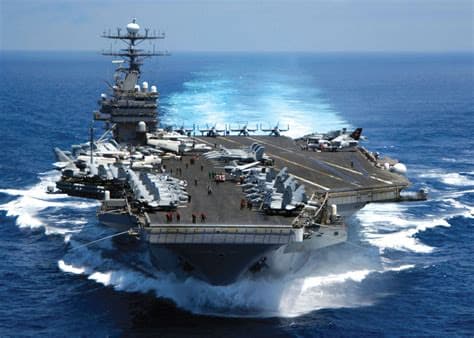
Recent exchanges between the United States and Iran have once again shifted attention toward a region where diplomacy and military action often move alongside one another. Airstrikes, retaliatory operations, and heightened military readiness have unfolded across multiple locations, drawing concern from neighboring countries and international organizations alike. As security calculations evolve, diplomatic channels continue to operate, though with increasing difficulty.
Officials from Washington have maintained that military operations are intended to protect American personnel and strategic interests after attacks linked to Iran-backed groups. Iranian leaders, meanwhile, have defended their regional posture while condemning American actions, arguing that foreign military pressure only deepens instability. Each statement adds another layer to an already complex relationship shaped by decades of distrust.
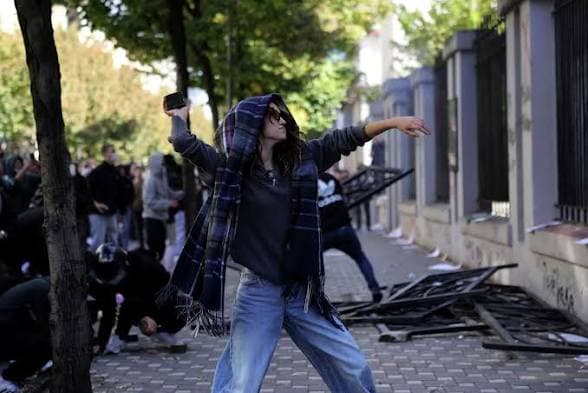
Beyond official announcements, ordinary people across the region continue their daily routines beneath uncertain skies. Markets open, fishing boats leave coastal harbors, children walk to school, and families gather at evening meals. Yet conversations increasingly turn toward questions of safety, economic stability, and whether another escalation could interrupt lives already shaped by years of regional tension.
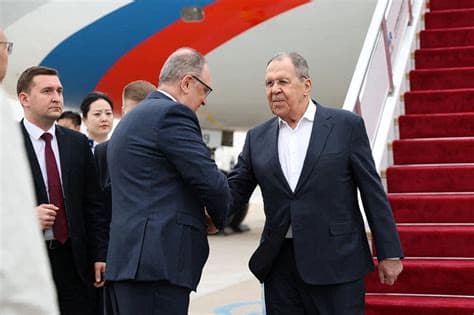
Diplomatic efforts have not entirely disappeared. Several regional governments continue encouraging dialogue while international mediators seek opportunities to prevent wider confrontation. Their work unfolds quietly, often away from public attention, reminding observers that diplomacy frequently advances through patient conversations rather than dramatic headlines.
The broader implications extend well beyond the immediate military exchanges. Shipping routes, energy markets, aviation corridors, and international commerce all remain sensitive to developments across the Gulf and surrounding regions. Investors, governments, and humanitarian organizations monitor events closely, recognizing that localized confrontations can ripple through the global economy.
Military analysts note that neither Washington nor Tehran necessarily benefits from an uncontrolled regional conflict. While each side demonstrates its willingness to respond to perceived threats, both also face economic, political, and strategic incentives to avoid a prolonged war. This balance creates a landscape where deterrence and diplomacy continue to compete for influence.
For communities throughout the Middle East, however, such calculations remain secondary to everyday realities. Stability is measured less by diplomatic statements than by quiet mornings, uninterrupted commerce, and the confidence that tomorrow will resemble today. Every renewed exchange of force temporarily interrupts that fragile sense of normalcy.
As another chapter unfolds between the United States and Iran, diplomatic engagement continues despite mounting obstacles. Whether negotiations eventually regain momentum may depend not only on military restraint but also on the willingness of regional and international actors to preserve dialogue before confrontation grows beyond anyone's intentions.
AI Image Disclaimer Illustrations were created using AI tools and are intended as conceptual visual representations rather than authentic photographs.
Sources Reuters Associated Press BBC News Al Jazeera Agence France-Presse (AFP)
Published by Banx Network. This article is part of the Banx decentralized media programme, powered by the BXE token on the XRP Ledger.