
Key Highlights
- U.S. military strikes against Iran mark the tenth consecutive night of operations.
- Attacks target military command centers and missile launch sites.
- Regional instability raises concerns over global energy supply chains.
The desert has always carried sound differently. Across vast stretches of sand and coastline, the smallest movement can travel far beyond the horizon, lingering long after the moment itself has passed. In the Middle East, where trade routes, cities, and generations have shared the same landscape, each new military action often echoes beyond the place where it begins, reaching homes, markets, and distant capitals alike.
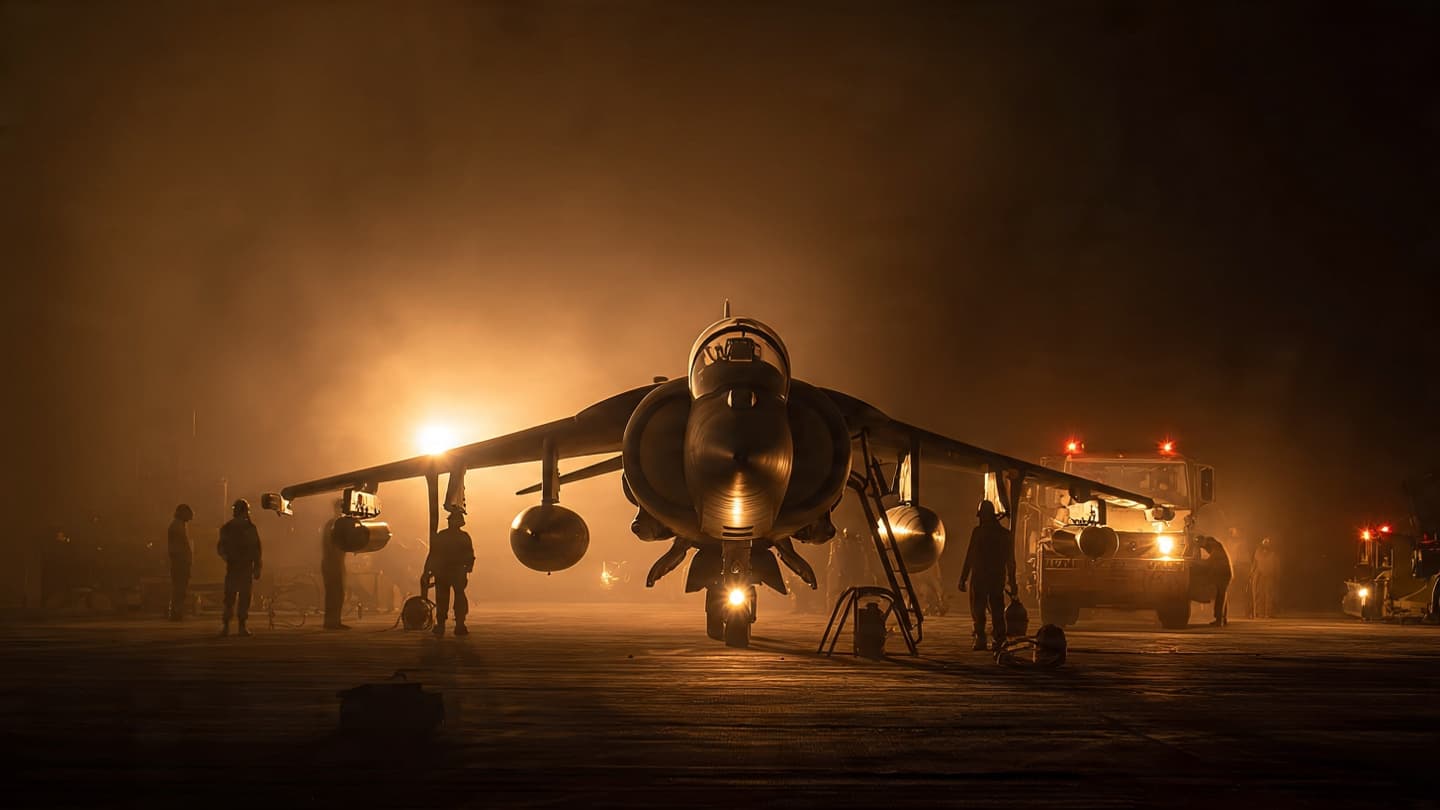
That echo grew louder after the United States launched another round of military strikes against targets in Iran, marking the tenth consecutive night of operations, according to U.S. Central Command. American officials stated that the attacks targeted military command centers, missile and drone launch sites, air defense systems, and maritime capabilities that they claimed had been used to threaten regional security and commercial navigation.
The latest strikes followed the deaths of U.S. service members in recent attacks linked by Washington to Iran or Iran-backed forces. President Joe Biden warned that further attacks on American personnel would bring an even stronger military response, describing the latest operations as retaliation intended to deter additional violence. Iranian authorities have condemned the strikes and continued to reject Washington's justification for the campaign.
The conflict has steadily expanded beyond isolated military exchanges. Strategic waterways, particularly the Strait of Hormuz, remain at the center of international concern because they carry a significant share of the world's oil and liquefied natural gas shipments. Continued instability has complicated commercial shipping, increased insurance costs, and heightened uncertainty across global energy markets.
Military analysts note that prolonged air campaigns rarely exist in isolation. Each strike carries the possibility of further retaliation, while regional allies strengthen security around military installations, ports, and critical infrastructure. Reports of attacks involving missiles and drones have underscored the increasingly interconnected nature of the conflict, extending its reach well beyond the immediate battlefield.
For civilians across the region, daily life continues beneath an atmosphere shaped by uncertainty. Airports monitor security conditions, shipping companies revise sailing schedules, and businesses closely watch developments that may influence fuel prices, transportation costs, and regional commerce. While diplomatic discussions have not entirely ceased, military developments continue to dominate the immediate landscape.
International observers continue urging restraint while emphasizing the importance of protecting civilian lives and preserving freedom of navigation. Governments across Europe, Asia, and the Middle East remain attentive to the possibility that additional escalation could affect global supply chains, financial markets, and broader regional stability. As military operations continue, diplomatic channels remain open, though progress has proved difficult.
History often remembers wars through decisive battles or political agreements, yet the passage of conflict is equally measured through quieter moments—the ships waiting offshore, families following uncertain headlines, and communities adapting to another day shaped by events beyond their control. These moments seldom appear in official communiqués, but they reveal how deeply international crises can enter ordinary lives.
As another evening settles over the Gulf, aircraft return to their bases, ships continue navigating contested waters, and leaders weigh their next decisions. Whether the coming days bring further confrontation or renewed diplomacy remains uncertain. For now, the region continues to move between vigilance and hope, carrying the enduring reminder that every escalation leaves echoes that travel farther than the battlefield itself.
Published by Banx Network. This article is part of the Banx decentralized media programme, powered by the BXE token on the XRP Ledger.



