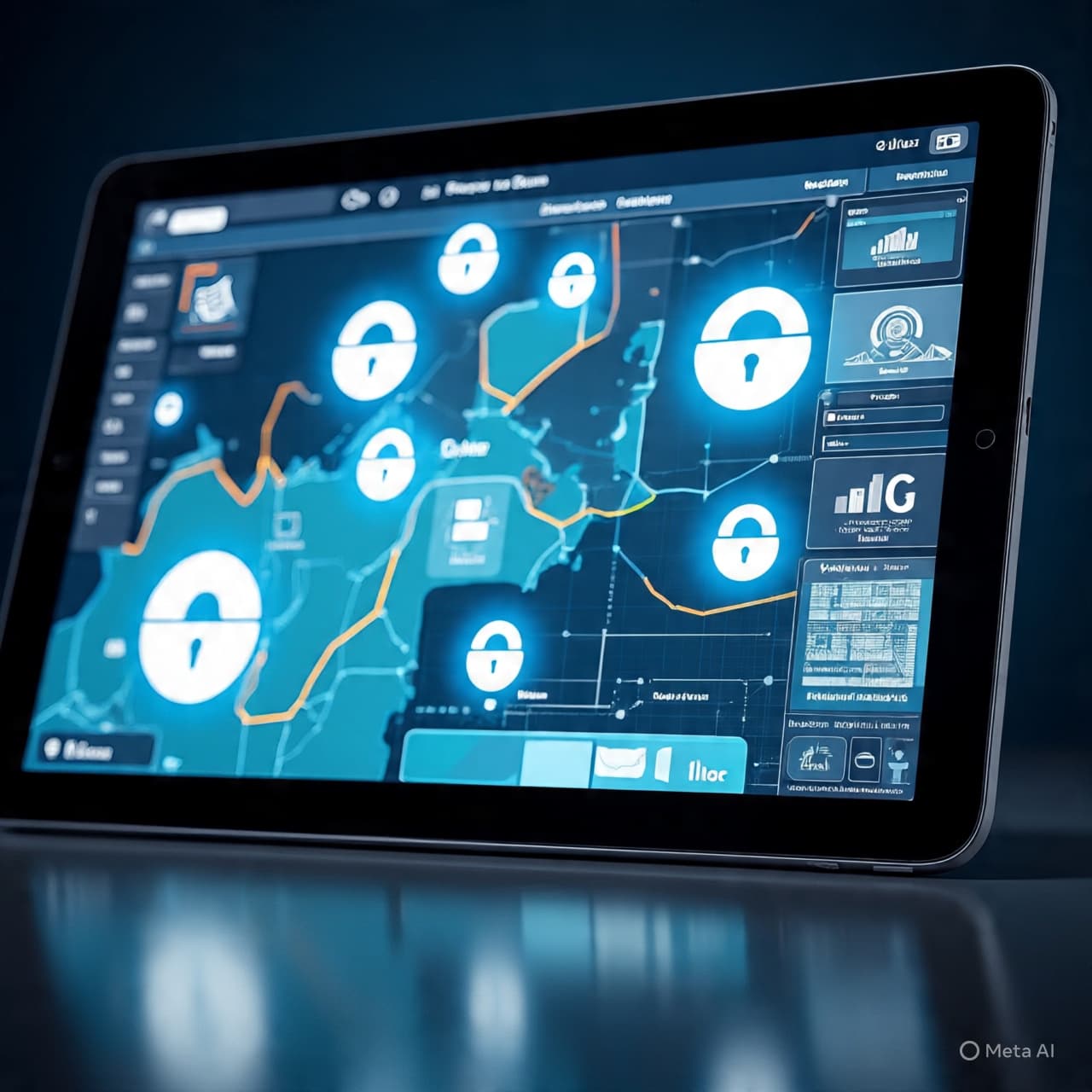
The modern sea is no longer just a place of water and wind; it has become a landscape of invisible signals and digital flows. Beneath the hulls of the great tankers and container ships, a vast network of information moves with the speed of light, connecting the bridge of a vessel to the headquarters of a global corporation. It is a world of constant data, a digital mirror to the physical movement of goods that defines our era of global interconnectedness.
In the quiet corridors of the Finnish Ministry of Economic Affairs, a new effort is underway to ensure the integrity of these digital streams. There is a realization that the security of the maritime sector is now as much about bits and bytes as it is about hulls and anchors. The government is advancing solutions to ensure secure data flows within the supply chain, recognizing that a disruption in information can be as paralyzing as a storm at sea. It is a move toward a more transparent and resilient architecture of trade.
This focus on data security is a narrative of profound necessity. It recognizes that the digitalization of maritime traffic offers great efficiency, but also brings new vulnerabilities that must be managed with care. The discussion involves the implementation of advanced procedures for the exchange of passenger and crew information, and the strengthening of cybersecurity for maritime single window systems. By securing these digital corridors, the nation is protecting the very lifeblood of its international commerce.
The atmosphere in the planning sessions is one of focused contemplation. There is an understanding that the digital maritime landscape is in a state of constant evolution. The talk is of international standards and collaborative frameworks, of creating guidelines for the management of information at ports that can be adopted across the globe. It is a philosophy of proactive stewardship, looking for the digital cracks that could threaten the stability of the whole.
There is a certain poetic resonance in the idea of the digital stream as a bridge, a connection that brings clarity and order to the vastness of the sea. When the flow of information is secure, the logistics chain becomes a symphony of precision, allowing for the seamless movement of goods across borders and oceans. It is a movement that recognizes the interconnectedness of our modern world, where the security of a server in Helsinki can affect the arrival of a ship in a distant port.
As the maritime industry continues to embrace the digital transition, the importance of this security perspective cannot be overstated. We are moving into an era where the safety of the seas is inextricably linked to the safety of the network. The Finnish initiative offers a way to navigate this new landscape, providing the trust needed to embrace the potential of technology. It is a work of objective observation conducted with a deep, unspoken reverence for the power of human connection.
The transition toward a more secure digital maritime model is a slow and methodical journey, requiring a commitment that spans the entire global community. But the momentum in Finland is building, fueled by a collective ambition to lead in the development of secure and efficient trade. By investing in the cybersecurity and digitalization of its maritime sector, the government is ensuring that the invisible bridge of information remains strong and reliable.
The Finnish government is advancing new solutions to ensure secure maritime data flows and strengthen national supply chain resilience. This initiative includes enhancing cybersecurity for maritime digital systems and improving electronic information exchange between port authorities and international vessels. These efforts align with global standards promoted by the International Maritime Organization (IMO) to facilitate safer and more efficient global trade.
Published by Banx Network. This article is part of the Banx decentralized media programme, powered by the BXE token on the XRP Ledger.