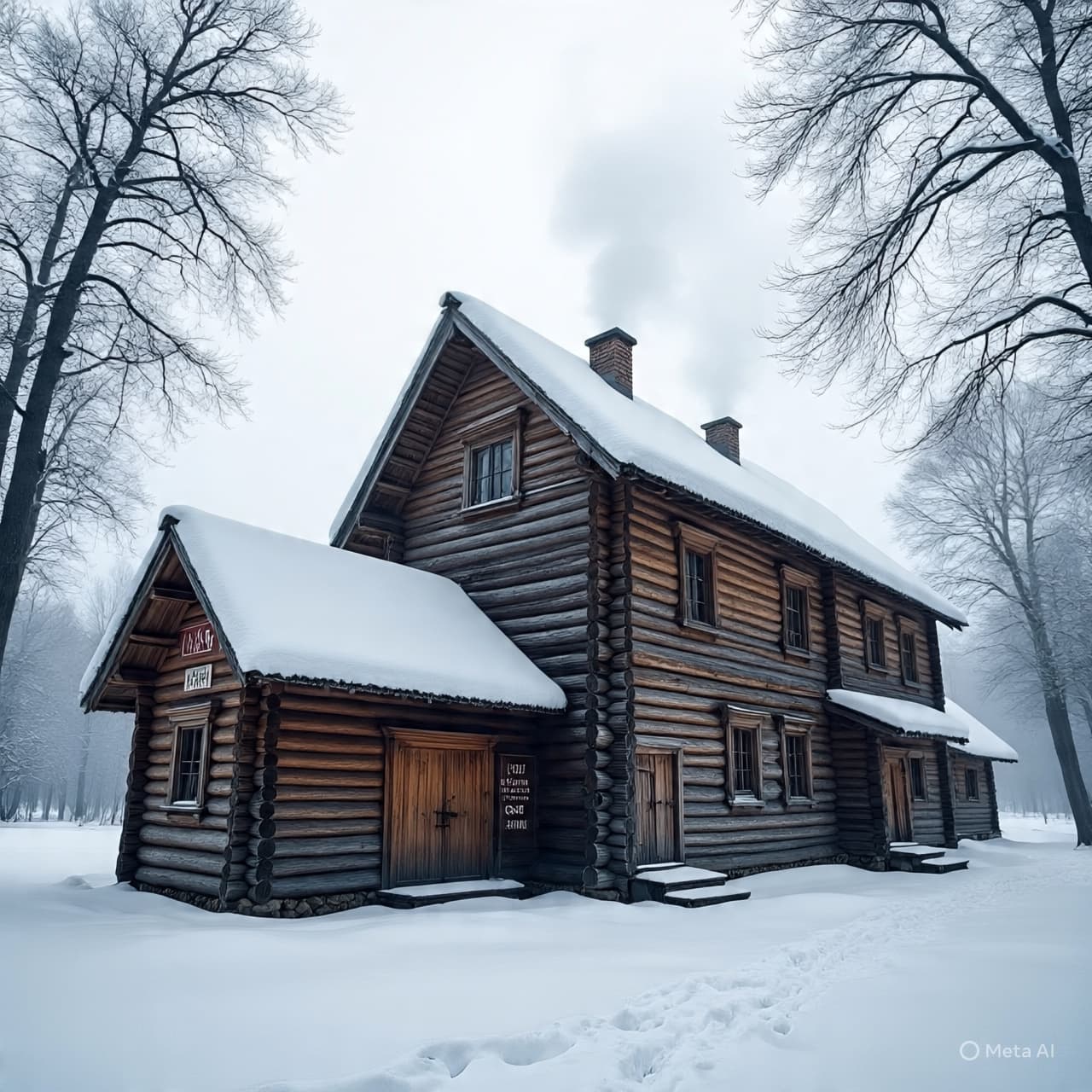
In the quiet whisper of pine and snow, a cluster of sun‑bleached log cabins stands as if waiting for a distant train from Vladivostok. Their wooden walls catch the low light of the northern sun, and above doors hang signs in Cyrillic, characters that seem to speak of vodka evenings and frost‑bitten dawns. Yet linger in the square, and you realize that the voices themselves are seldom Russian now — more often Mandarin and the gentle chatter of visitors. The scene unfolds like an old fable of place and memory, where built form and cultural imagination weave a tapestry that feels foreign, even as it is entirely local.
Along the riverside and in the sprawling parks of Harbin’s Sun Island, the so-called “Russian‑style town” evokes another land. Walk its streets, and you will see the graceful curves of onion domes and rows of quaint wooden houses that recall rural Siberia, their shapes preserved more as art than living homes. This space is as much about heritage and tourism as it is about architecture — a stage on which a romanticized version of Russian life plays out for curious travelers. In these settings, Cyrillic becomes aesthetic, a nod to historical ties rather than a lived linguistic landscape.
Historical threads stretch further back along the tracks of the old Chinese Eastern Railway, where towns like Hengdaohezi preserve clusters of Russian‑built structures dating to the late 19th and early 20th centuries. These cabins and stations were erected during times of cross‑border construction and commerce, vestiges of a past when populations were more fluid and cultures interwoven. Over decades, many Russian residents moved on or assimilated, leaving behind timber and brick and the patina of shared history.
In Beijing, too, bits of “Russiatown” around Yabaolu market show how cultural markers can thrive even when the origins of the people who inspire them are not dominant. Cyrillic signs above shops whisper of fur coats and winter bazaars, yet the souls behind the counters and conversations speak the language of the city around them.
These towns and areas — part heritage site, part theme of nostalgia — reflect how places can remember, represent, and commodify distant lands without mirroring their present-day populations. Architecture and script become bridges to imagined homelands, inviting visitors to step across a threshold of time and perception. In the flicker of lantern light against old logs, one feels the echo of a Russia that once was, even if the people who live that life are few.
Today, these spaces are neither wholly Russian nor entirely Chinese. They sit somewhere in between, like paintings caught in half-light, suggesting more than they assert and inviting reflection on the meanings of place, memory, and belonging.
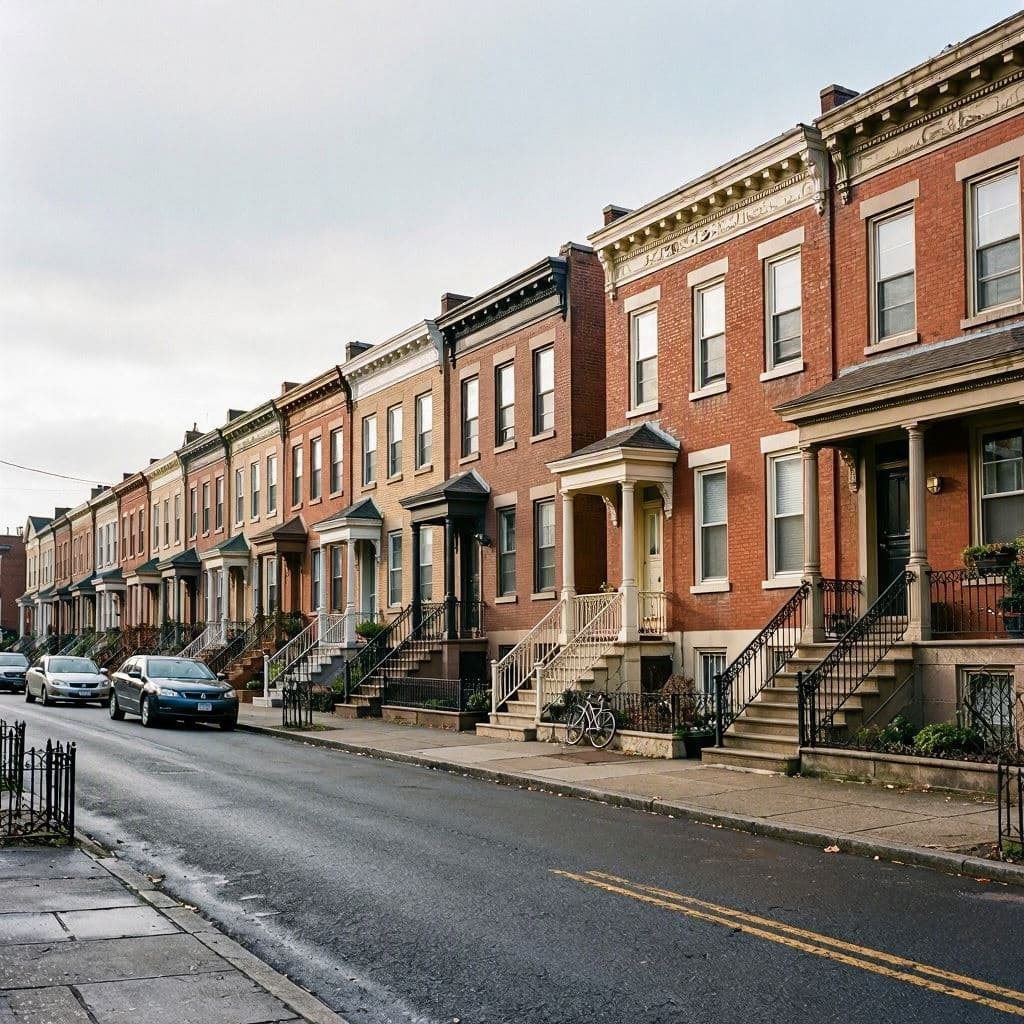
AI Image Disclaimer Images in this article are AI-generated illustrations, meant for concept only.
Sources: Trip.com — Harbin Russian-style town Harbin Sun Island tourist information Xinhua / State media — historical Russian architecture in railway towns Wikipedia — Yabaolu Russian market street (Beijing) Wikipedia — Enhe Russian Ethnic Township
Published by Banx Network. This article is part of the Banx decentralized media programme, powered by the BXE token on the XRP Ledger.