
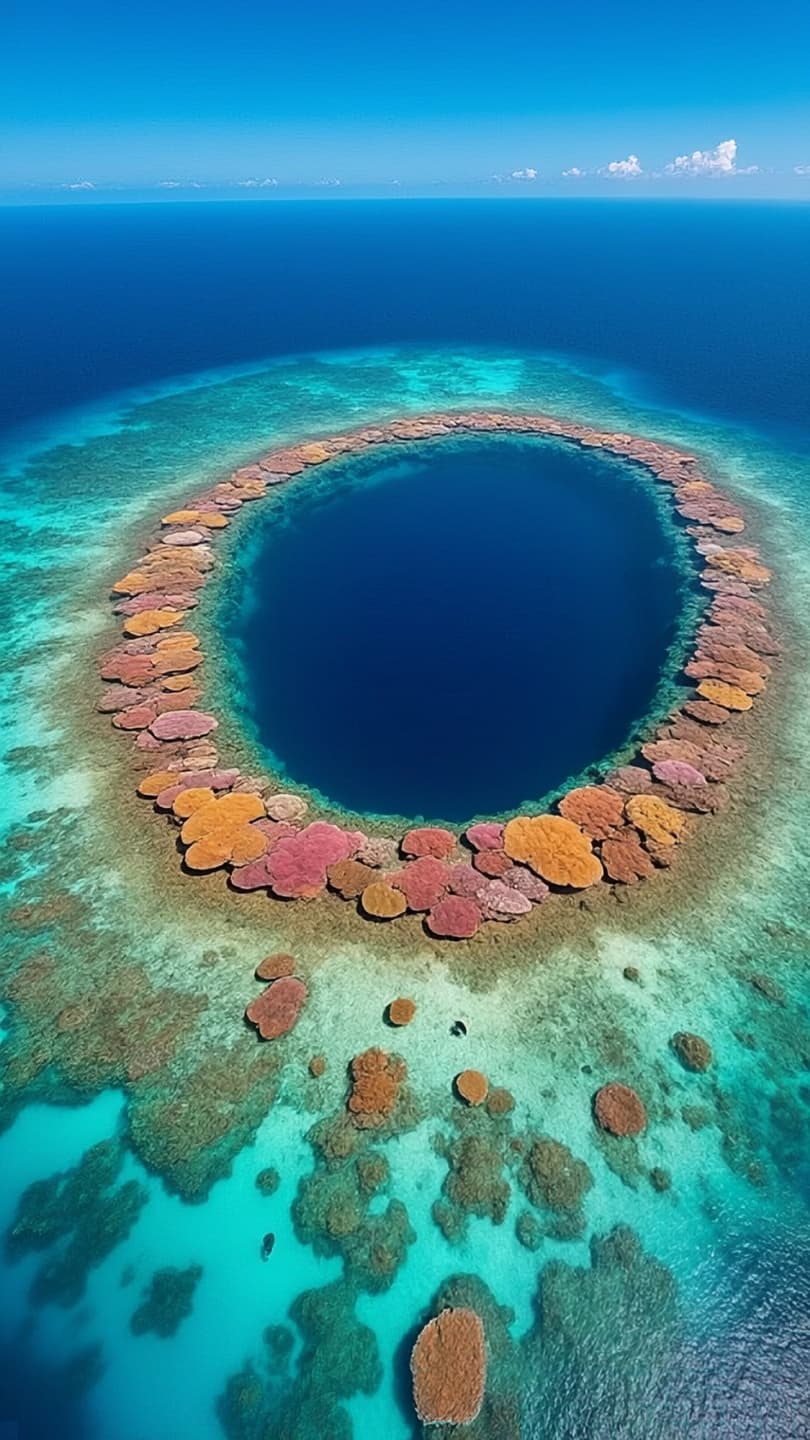
Key Highlights
- Coral Recovery:Marine biologists report signs of recovery in the Great Blue Hole.
- Conservation Efforts:Improved water quality management is aiding coral health.
- Ecosystem Impact:The health of the Blue Hole reflects broader environmental conditions.
The Great Blue Hole, a UNESCO World Heritage site located off the coast of Belize, has recently shown promising signs of coral recovery after enduring significant bleaching events. Marine biologists have observed an increase in the recruitment of new coral colonies and a stabilization of existing reef structures, indicating a positive shift in the health of this iconic underwater ecosystem. These developments are crucial, as the Great Blue Hole serves as a vital barometer for the overall health of the Belize Barrier Reef, one of the most diverse marine ecosystems in the world.
Recent underwater surveys conducted by marine scientists have revealed that the coral reefs surrounding the Great Blue Hole are beginning to rebound from the stressors of climate change and pollution. The increase in coral recruitment is attributed to improved water quality management practices implemented in the region, alongside a period of relatively stable sea temperatures. These factors have created a more conducive environment for coral growth, allowing the delicate ecosystems to recover from previous damage.
The recovery of coral in the Great Blue Hole is not just a local phenomenon; it reflects a broader narrative of resilience within marine environments. Coral reefs are known for their sensitivity to changes in temperature and water quality, making them vulnerable to climate change. However, the recent positive trends in the Great Blue Hole highlight the potential for recovery when appropriate conservation measures are taken. This serves as a hopeful reminder of the ocean's capacity for healing, provided it is given the necessary protection and support.
As marine biologists continue to monitor the situation, their work emphasizes the importance of long-term commitment to conservation efforts. The dialogue between scientists and the marine environment is one of mutual respect and understanding, recognizing that the preservation of such vital ecosystems requires ongoing attention and care. The gradual recovery of coral colonies is a testament to the resilience of nature and the impact of human intervention in fostering healthier marine habitats.
The significance of this recovery extends beyond the immediate area of the Great Blue Hole. It serves as a model for other regions facing similar challenges, illustrating the importance of sustainable practices and environmental stewardship. The success of conservation initiatives in Belize can inspire global efforts to protect and restore coral reefs, which are essential not only for marine biodiversity but also for the livelihoods of communities that depend on these ecosystems.
As the sun sets over the Lighthouse Reef, casting a warm glow across the waters, the hope for a thriving future for the Great Blue Hole and its surrounding reefs becomes increasingly tangible. The connection between the land and the sea remains a vital bond, underscoring the importance of preserving these natural wonders for future generations. The ongoing recovery of coral in this sacred space is a powerful reminder that even in the face of adversity, nature possesses an incredible ability to heal and thrive.
Published by Banx Network. This article is part of the Banx decentralized media programme, powered by the BXE token on the XRP Ledger.



