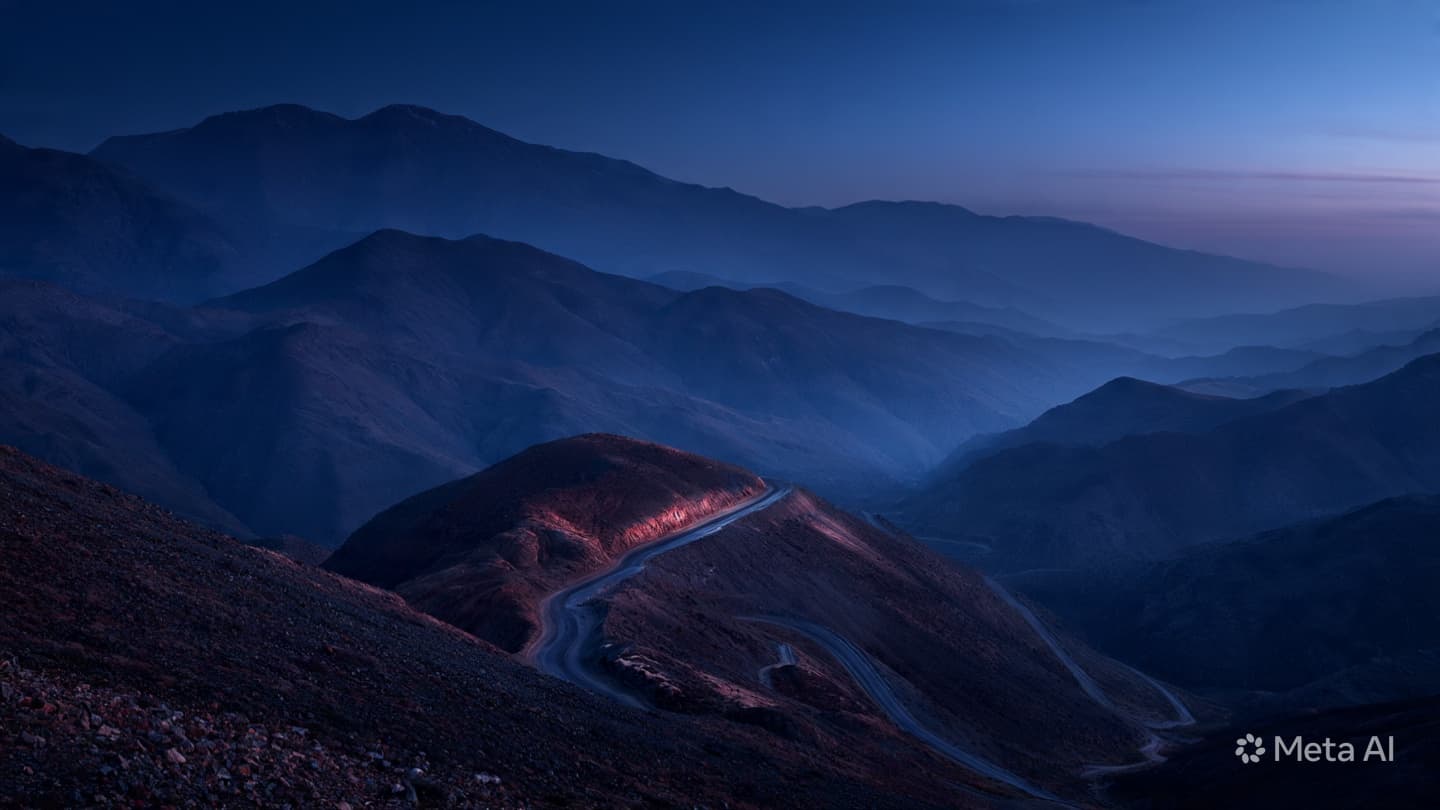
The Andean landscape is defined by its sheer, breath-taking verticality—a realm of stone and sky where roads cling to the mountainside like threads of determination. In this environment, the act of travel is a rhythmic negotiation with gravity, a series of turns and ascents that demand a profound respect for the landscape's unforgiving nature. When a bus, a vessel of shared motion and human connection, falters upon these high-altitude routes, the resulting silence is absolute. It is a moment where the complexity of the terrain seems to press down, leaving those who arrive afterward to reconcile the sudden intrusion of catastrophe into the predictable pattern of the climb.
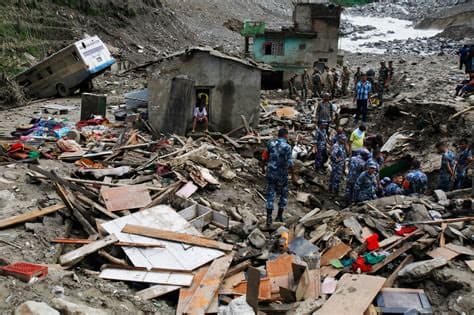
To observe the aftermath of such an event is to recognize the vulnerability of our connection to the land. The wreckage, scattered against the rugged terrain, stands in stark contrast to the vast, indifferent majesty of the mountains that have watched over these passes for millennia. For the responders who navigate the steep slopes, the task is one of immense, somber technicality, a process of honoring the dignity of the lost while struggling against the limitations imposed by the very geography that witnessed the tragedy. Their movements are measured, their focus unwavering, as they seek to bring a semblance of order to the chaos.
These investigations are not simply about determining the mechanics of a failure; they are deeply human acts of seeking a narrative within the remnants of a journey interrupted. Every fragment of the scene speaks to the lives that were, for a brief time, bound together by the motion of the bus—the collective stories, the shared goals, and the simple, everyday reality of transit. The authorities, in their methodical gathering of evidence, serve as the keepers of these stories, ensuring that the details of the incident are understood with the gravity and care that each individual life demands.
There is a profound, shared weight felt by the communities that sit in the valleys below, watching as the news filters down from the high passes. For them, these roads are arteries of existence, connecting their homes to the wider world, and a tragedy in the mountains is a tremor that vibrates through the collective pulse. It is a shared grief, a quiet acknowledgment of the risks that are woven into the fabric of life at such elevations, and a testament to the resilience of those who continue to traverse the heights despite the dangers that lurk in the curves.
Reflecting on these moments requires a degree of restraint, an ability to look at the facts without allowing the overwhelming sense of loss to cloud the necessity of a calm, measured approach. It is about honoring the lives lost by ensuring that the search for the truth is conducted with total transparency and respect. The focus remains on the process, on the gathering of facts and the understanding of the conditions, even when those conditions are as difficult and unforgiving as the mountain paths themselves.
As the investigation concludes and the physical site of the tragedy begins to fade back into the landscape, the deeper, more arduous process of healing for the families and the community takes root. It is a transition from the shock of the news to the heavy, persistent reality of absence. The mountains remain, immutable and imposing, while the lives that were lost are woven into the memory of the road, a part of the history of the passage that will be carried forward by those who continue to travel its winding length.
The process of moving forward is, by necessity, a slow and private journey. The authorities continue their work, conducting the thorough examinations required to provide the answers that are owed to the departed and their families. It is through this diligent search for understanding that a measure of closure may one day be found, allowing the community to reconcile with the memory of the event and to find a way to honor the individuals whose journeys ended in the quiet of the heights.
Ultimately, we are left to contemplate the suddenness of it all—the way a life can be extinguished in the time it takes for the wind to shift across the crags. It is a sobering reflection that demands a gentle recognition of the preciousness of every moment, and the vital importance of the compassion we offer one another in the face of the unknown. We hold the memory of these lives in the stillness of our own reflection, honoring their presence by carrying forward a deeper awareness of the world they once walked.
Authorities have confirmed that a fatal bus crash occurred in the mountainous region of Bolivia, resulting in multiple casualties. Emergency response teams were deployed to the challenging, high-altitude terrain to conduct search and rescue operations. Investigations into the causes of the collision, including road conditions and vehicle safety, are currently underway. Further updates are expected as forensic teams finalize their assessment of the incident.
Published by Banx Network. This article is part of the Banx decentralized media programme, powered by the BXE token on the XRP Ledger.