
Key Highlights
- Incident:A fatal police encounter occurred in Côte-des-Neiges, Montreal.
- Response:Local authorities swiftly intervened, resulting in the suspect's death.
- Community Impact:The neighborhood grapples with the aftermath of violence and loss.
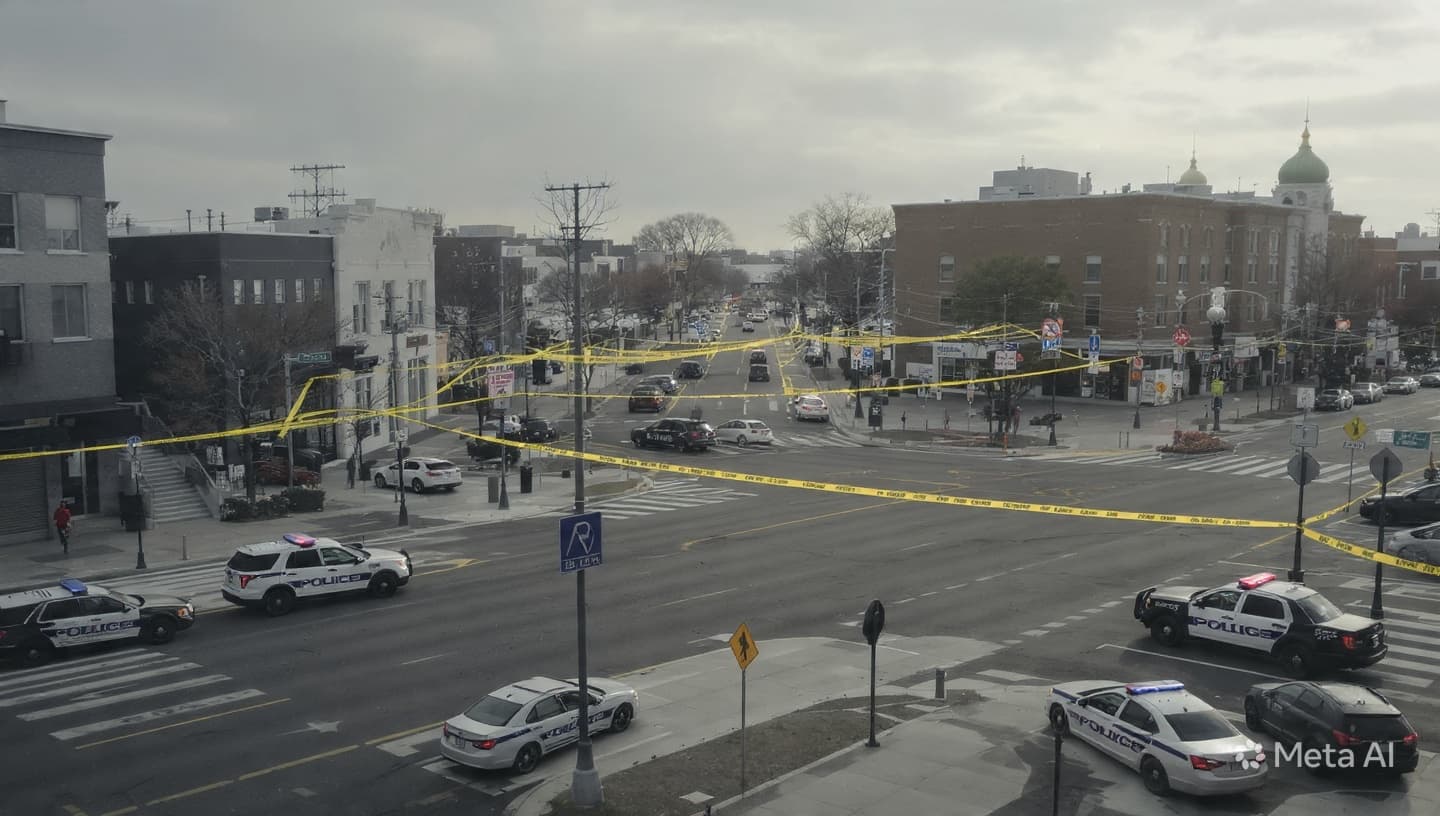
On a seemingly ordinary morning in the Côte-des-Neiges neighborhood of Montreal, the usual hustle and bustle of commuters and residents was abruptly interrupted shortly before noon. A violent confrontation unfolded, leading to a decisive response from local law enforcement. The incident, marked by gunfire, transformed the familiar urban landscape into a scene of chaos and tragedy, leaving the community to confront the stark reality of mortality.
In the immediate aftermath, the suspect was fatally shot by responding officers, a resolution that came as swiftly as the violence erupted. The silence that followed was heavy, a palpable reminder of the lives affected by the incident. The neighborhood, known for its vibrant community life, was suddenly overshadowed by the gravity of the event, forcing residents to reckon with the loss of safety and normalcy.
The Service de police de la Ville de Montréal (SPVM) found themselves at the center of this tragic occurrence, tasked not only with managing the immediate situation but also with addressing the emotional toll on their officers. The identification of the deceased suspect is secondary to the broader implications of the incident on both the police force and the community they serve. For the officers involved, this event marks a significant moment in their careers, one that will linger in their memories and shape their future interactions with the public.
As investigations commenced, the Bureau des enquêtes indépendantes, Quebec’s police watchdog, took charge of examining the circumstances surrounding the suspect's actions. While the tactical response was clear—a suspect neutralized after a violent exchange—the motivations behind the confrontation remain under scrutiny. This inquiry is crucial not only for accountability but also for understanding the complex dynamics that led to such a tragic outcome.
Côte-des-Neiges, a neighborhood celebrated for its diversity and cultural richness, now finds itself grappling with the implications of violence. The local police urged residents to stay indoors as the situation unfolded, highlighting the tension that gripped the area. This incident serves as a stark reminder of the fragility of peace in urban environments, where the unexpected can disrupt daily life in an instant.
As the community begins to process the events, the loss of life—both of a police officer and a civilian—anchors the conversation in a painful reality. Public responses have varied, with expressions of support for the injured officer and a somber acknowledgment of the tragedy. The lowering of provincial flags symbolizes a collective mourning, as the neighborhood seeks to reclaim its narrative from the shadows of violence.
The emotional weight of such incidents often eludes clinical news reports, which may fail to capture the lingering atmosphere of grief and reflection. Terms like 'neutralized' and 'fatal encounter' carry implications that extend beyond their definitions, marking an end that is both definitive and deeply tragic. The events of this day will resonate within the community, leaving an indelible mark on the collective memory of those who witnessed it.
In the days to come, as legal and forensic processes unfold, the human element remains at the forefront of this narrative. The loss experienced by the community and the police force underscores the profound impact of violence on urban life. While the city will eventually return to its routine, the echoes of this tragic encounter will linger, reminding all of the delicate balance between safety and the unpredictability of human behavior.
Published by Banx Network. This article is part of the Banx decentralized media programme, powered by the BXE token on the XRP Ledger.



