
In Beirut, where the city rises in layers of concrete and memory along the Mediterranean, the rhythm of daily life has again been unsettled by the sound from above. Airstrikes, once distant or intermittent, have returned with a sharper frequency, pressing themselves into the fabric of the city.
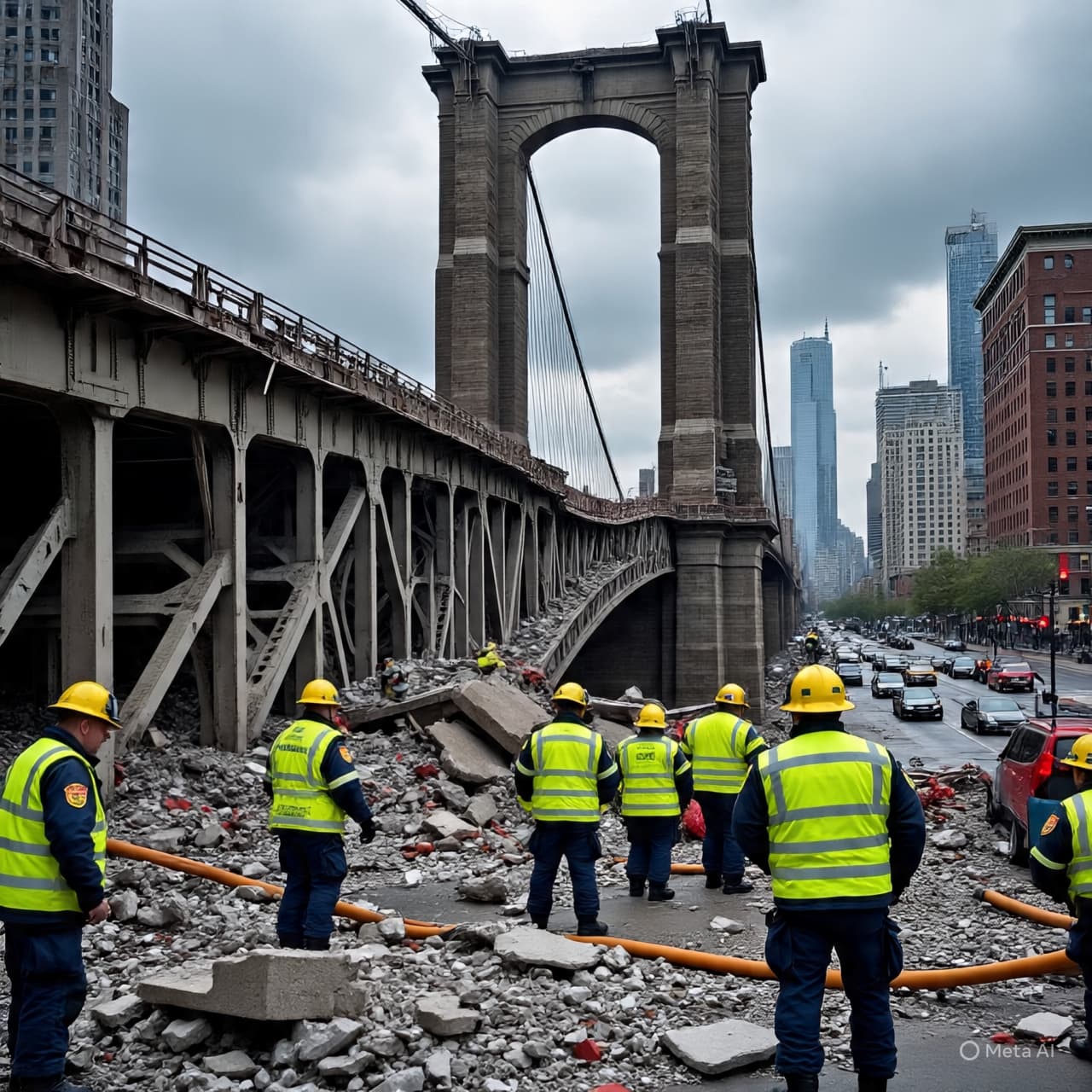
The strikes have reshaped parts of the landscape in moments. A 10-storey building was demolished, its structure collapsing into debris where it once stood among the dense arrangement of homes and businesses. Elsewhere, bridges were struck—points of connection reduced to fragments, altering not only movement, but the way the city holds together.
Such targets carry both immediate and extended consequences. Buildings, when lost, take with them the lives and routines they contained. Bridges, when damaged, interrupt the flow of people, aid, and response, turning distance into something more difficult to cross.
The escalation reflects a widening intensity in the broader conflict involving Israel and actors within Lebanon. Airspace becomes a corridor of force, where decisions made far from the ground translate into impact measured in seconds. For those below, the experience is less abstract—defined by sound, by movement, by the sudden transformation of familiar places.
Emergency responders move through the aftermath with urgency, navigating debris and damaged routes. The work is immediate: searching, assisting, assessing what remains and what has been lost. Around them, the city absorbs the strikes in fragments—dust settling, structures exposed, pathways disrupted.
Beirut has long existed with the memory of past conflicts embedded in its streets, its architecture, its collective awareness. Each new strike does not begin from nothing; it adds to a history already marked by disruption. The familiarity of that pattern does not lessen its impact, but it shapes how it is endured.
As the strikes continue, the situation remains in motion. Damage assessments unfold, access routes shift, and the balance between infrastructure and survival becomes more fragile. The city, though altered in places, continues to hold—its movement slowed, but not entirely stilled.
By the close of the latest wave, the facts stand starkly: a multi-storey building reduced to rubble, bridges struck, and a city once again adjusting to the consequences of force delivered from above. What follows will depend on what comes next, but for now, Beirut remains within that suspended space—between impact and whatever may yet arrive.
AI Image Disclaimer
These visuals are AI-generated and intended for illustrative purposes only.
Sources
Reuters
Al Jazeera
Associated Press
BBC News
The Guardian
Published by Banx Network. This article is part of the Banx decentralized media programme, powered by the BXE token on the XRP Ledger.

.jpg&w=3840&q=75 "Blake Lively Awarded $400,000 in Legal Fees After Justin Baldoni Lawsuit Dismissed")
