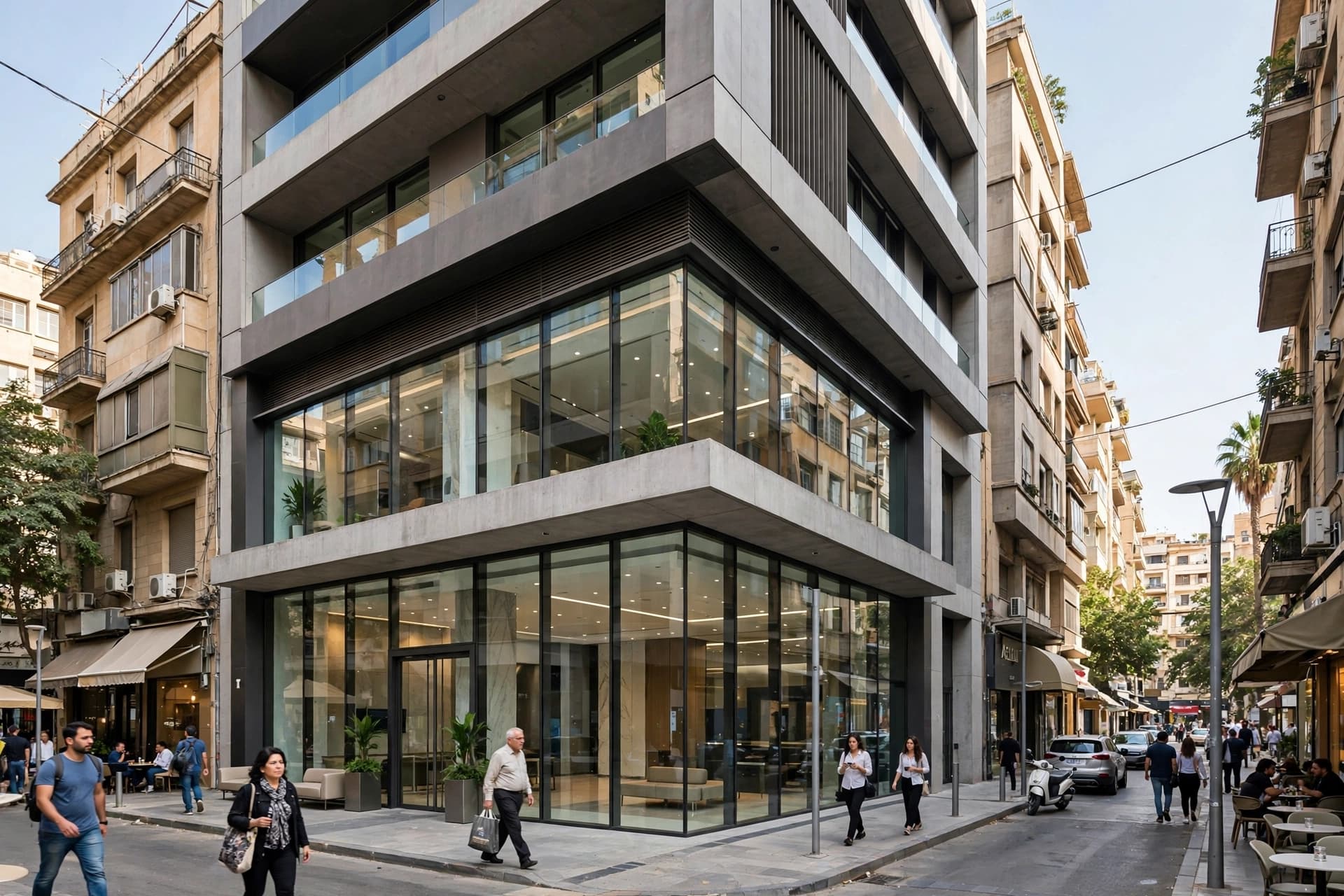
In the language of retail, storefronts are meant to signal arrival. Glass, light, and motion promise convenience and permanence, a quiet assurance that a place has chosen to stay. When those lights go dark, the absence speaks just as clearly. Amazon’s decision to shut down all Amazon Go and Amazon Fresh stores marks such a moment — a retreat that feels less abrupt than inevitable.
These stores were once presented as glimpses of a frictionless future. Amazon Go removed the checkout line entirely, replacing it with cameras, sensors, and quiet trust in algorithms. Amazon Fresh aimed to modernize the neighborhood grocery, blending physical shelves with digital intelligence. Together, they were experiments in translating Amazon’s online dominance into brick and mortar form.
But physical retail carries a gravity that software does not. Rent rises, foot traffic fluctuates, and margins remain stubbornly thin. The promise of automation, while technically impressive, proved costly to maintain and difficult to scale across diverse neighborhoods. What looked elegant in concept became heavy in practice, especially as inflation reshaped consumer habits and labor costs recalibrated expectations.
Amazon’s withdrawal suggests a reassessment not just of stores, but of strategy. The company has never been sentimental about experiments that fail to meet internal thresholds. In recent years, it has trimmed ambitions across devices, media, and logistics, favoring discipline over spectacle. The closure of Go and Fresh fits that pattern — less a failure than a recognition that not every future arrives on schedule.
For employees and communities, however, the shift is tangible. Jobs dissolve quietly, storefronts empty, and a certain vision of retail innovation recedes. The stores may have struggled to justify themselves financially, but they were real places, woven briefly into daily routines. Their disappearance leaves behind both vacant corners and unanswered questions about what physical retail is meant to become.
Amazon will remain deeply embedded in commerce, but increasingly from a distance — through warehouses, subscriptions, and screens rather than aisles and carts. The lesson here is not that technology failed, but that ambition met constraint. Even the largest companies must sometimes step back from the street to reconsider the map.
As the doors close, the idea that retail could be seamlessly automated does not vanish. It simply returns to the realm of prototypes and possibility, waiting for conditions that better match its scale. Until then, the lights dim, and the future pauses — not abandoned, just deferred.
AI Image Disclaimer
Visuals are AI-generated and serve as conceptual representations.
Sources
Bloomberg Reuters The Wall Street Journal CNBC
Published by Banx Network. This article is part of the Banx decentralized media programme, powered by the BXE token on the XRP Ledger.