
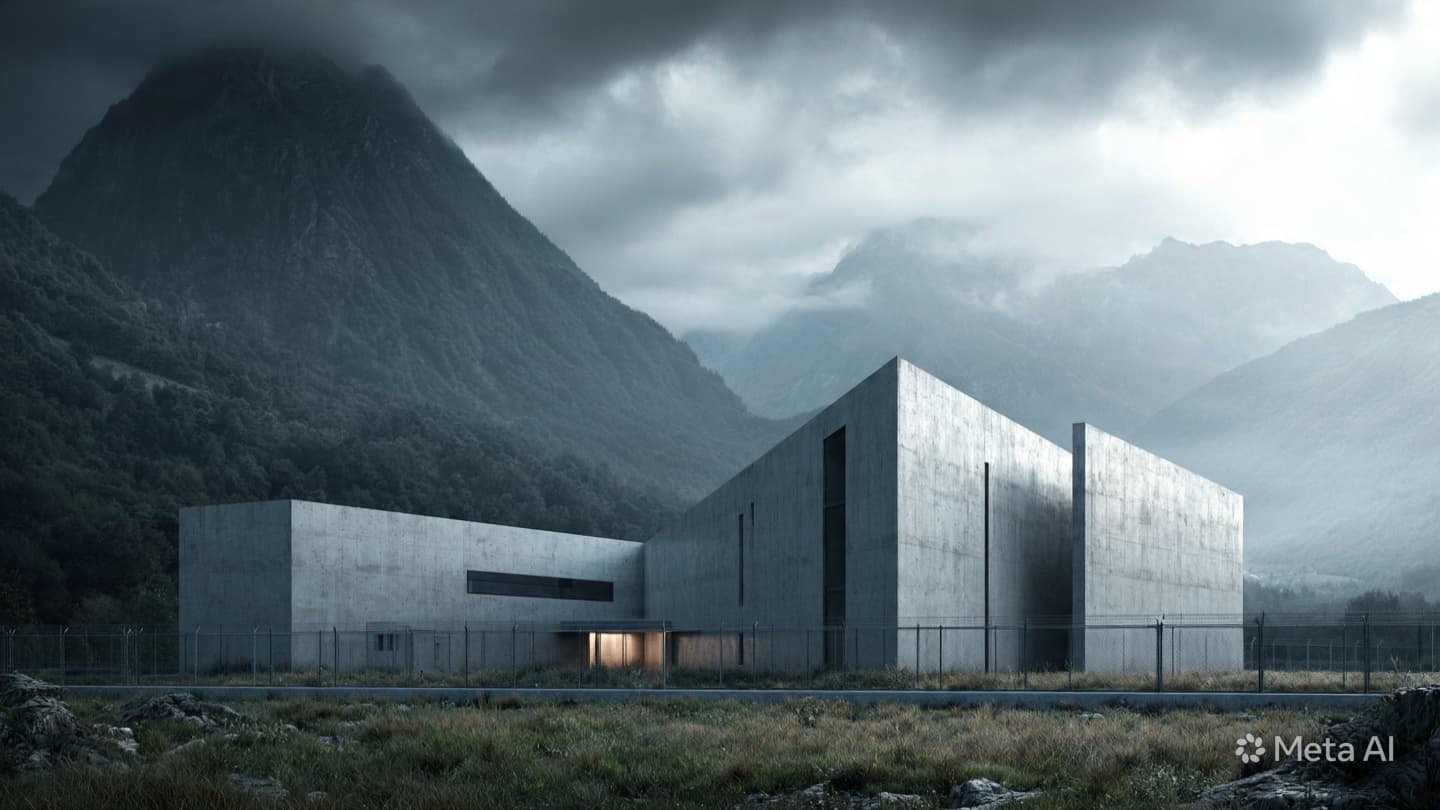
Switzerland has long cultivated a reputation for impeccable order, a landscape where the trains run with mathematical precision and the alpine quiet is rarely broken by social turbulence. Its judicial systems have traditionally favored alternative sanctions, preferring monetary penalties and community service to the heavy hand of prolonged incarceration. Yet, beneath this veneer of historical stability, a quiet demographic shift has been unfolding within the stone walls of the country's correctional facilities.
The latest metrics from the statistical offices indicate that the national prison population has climbed to its highest point since records began nearly four decades ago. This surge has brought the system to the absolute edge of its physical capacity, transforming spaces designed for rehabilitation into tightly managed environments of containment. The cells are full, and the administrative machinery that oversees them is working under an unprecedented structural strain.
This transformation is not the result of a sudden wave of violent offenses, but rather the cumulative effect of an aggressive policy posture targeting property crimes and persistent thefts. Local jurisdictions, responding to an increase in organized cross-border burglary rings, have systematically tightened their enforcement mechanisms. The result is a steady influx of individuals entering pre-trial detention or serving short, unconditional sentences that were once rare.
To look inside these modern facilities is to witness a profound logistical challenge, where governors must balance the legal requirements of human dignity against the reality of shrinking physical space. The ninety correctional institutions scattered across the cantons are operating at nearly ninety-seven percent capacity, leaving virtually no margin for seasonal fluctuations or emergency distributions of inmates. It is a geometry of confinement that leaves little room for error.
Legal analysts point out that a significant portion of this record population consists of individuals without permanent legal residency, including networks that move fluidly between neighboring European borders to execute property thefts. This fluid element complicates traditional rehabilitation models, as the system must focus heavily on security and eventual expulsion rather than integration into the local social fabric.
The situation has triggered a reflective debate within the Swiss legal community regarding the philosophical purpose of incarceration. Critics of the current trend argue that filling prisons with non-violent property offenders simply strains the state budget without addressing the root economic causes of cross-border criminality. They suggest that the conversion of unpaid fines into jail time targets the socially marginalized rather than dismantling the syndicates that direct them.
Conversely, proponents of the stringent measures maintain that the record inmate numbers are proof of a system that functions effectively, protecting the domestic populace from the erosion of their property security. For these observers, the high occupancy rate is a necessary price to pay for maintaining the public trust in the rule of law, serving as an unambiguous deterrent to international criminal networks.
The Swiss news syndicates summarized the federal data with characteristic calm, noting that while the absolute numbers represent an unprecedented peak, the per capita incarceration rate remains moderate when compared to global standards. The debate over whether to expand the current prison infrastructure or reform sentencing guidelines remains unresolved, while the heavy iron gates of the cantonal facilities continue to open and close in the quiet valleys.
Published by Banx Network. This article is part of the Banx decentralized media programme, powered by the BXE token on the XRP Ledger.


.jpg&w=3840&q=75 "US Declares Drought Disaster for Parts of Puerto Rico as Dry Conditions Persist")