
Key Highlights
- Event:Japan celebrates Children's Day, concluding Golden Week 2026.
- Tradition:Over 1,000 koinobori displayed nationwide to honor children's health.
- Policy Shift:Prime Minister Takaichi returns from Australia, focusing on domestic welfare.
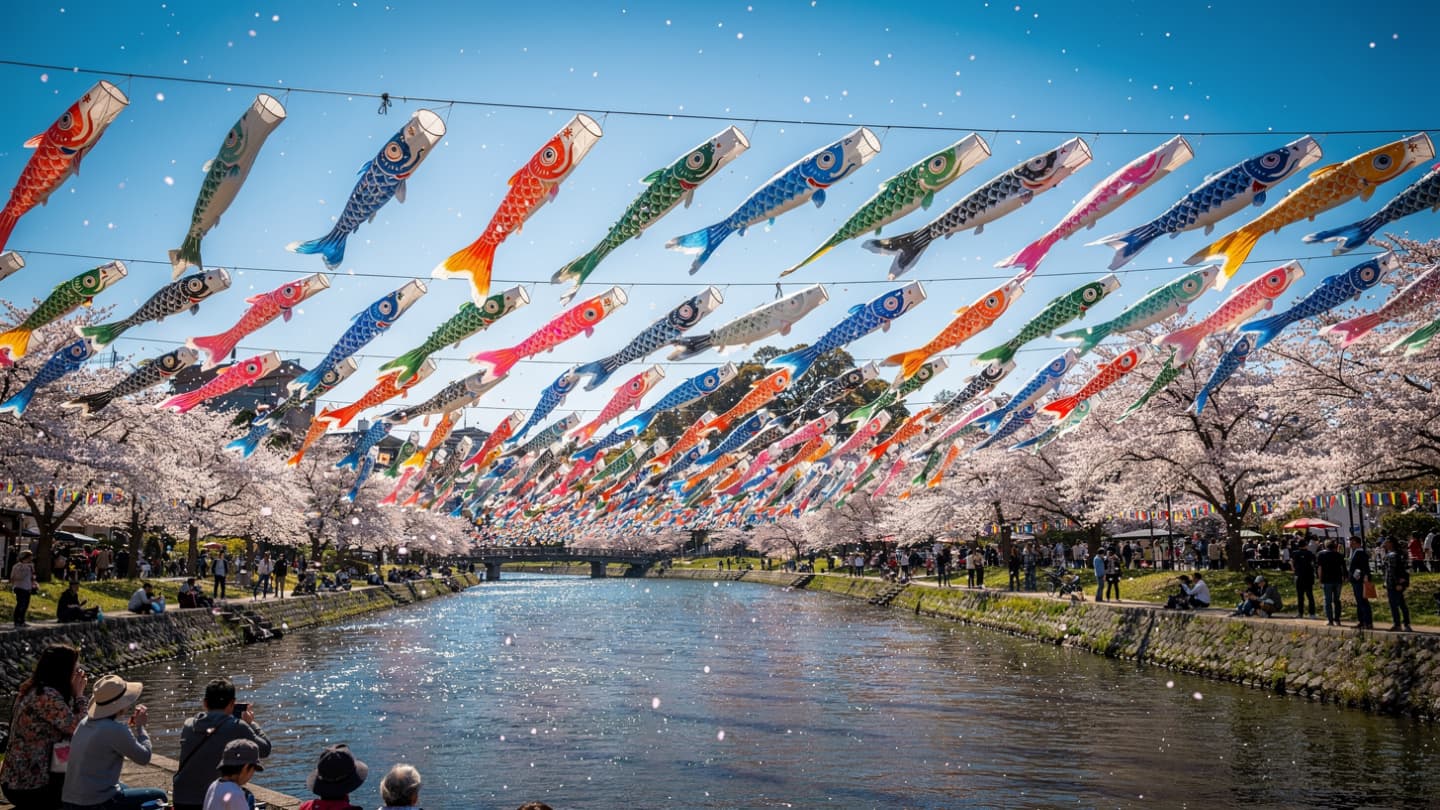
Japan celebrated Children's Day today, marking the end of the 2026 Golden Week holiday period. Across the nation, vibrant koinobori, or carp streamers, danced in the breeze, symbolizing the resilience and strength that the country hopes to instill in its youth. From the bustling streets of Tokyo to the serene banks of the Akutagawa River in Osaka, families gathered to honor their children with this colorful tradition.
The koinobori, traditionally made from paper and silk, are not merely decorative; they embody a powerful metaphor. The carp, known for its ability to swim upstream and leap over waterfalls, represents the spirit of perseverance. This year, the significance of this symbol resonates deeply as Japan faces demographic challenges, with a declining youth population. The government has emphasized the importance of nurturing the next generation, referring to them as the "dragons of tomorrow."
In homes across Japan, families set up gogatsu ningyo—traditional warrior dolls and miniature samurai helmets—to symbolize strength and protection. This ritual serves to instill values of courage and integrity in children. However, modern innovations have also found their way into this age-old celebration. At the Tokyo Skytree Town festival, interactive digital streamers allowed children to design their own fish, merging traditional customs with contemporary technology.
The holiday coincides with a pivotal moment in Japanese politics. Prime Minister Takaichi returned to Tokyo today after a diplomatic tour in Australia, where discussions focused on international defense. Now, the administration's attention shifts to domestic issues, particularly the welfare of families. The Ministry of Health, Labour and Welfare has reiterated that the nation's strength is closely tied to the well-being of its children, urging policies that support family growth and happiness.
As the day unfolds, the atmosphere is filled with the sweet aroma of kashira-mochi and chimaki, traditional treats that enhance the sensory experience of the holiday. Families gather in parks and along riversides, celebrating together in a spirit of unity and joy. As the sun sets on Golden Week, the koinobori will soon be taken down, but the hopes and prayers they carried will linger in the hearts of the people.
The conclusion of Golden Week brings a sense of calm as Japan prepares to return to its regular rhythm. The laughter of children in parks today serves as a reminder that the future is cultivated through love and care. In the face of global challenges and shifting demographics, the commitment to nurturing the next generation remains a steadfast anchor for the nation.
As the evening light catches the scales of the final streamers, transforming them into shimmering reflections, we are reminded of the enduring power of tradition. The children playing today are the architects of tomorrow, and their happiness is a vital measure of Japan's success. The spirit of the archipelago, much like the carp, continues to swim against the currents, vibrant and resilient.
Published by Banx Network. This article is part of the Banx decentralized media programme, powered by the BXE token on the XRP Ledger.



