
Key Highlights
- Expansion:Over 50,000 hectares added to marine protected areas.
- Protections:New regulations ban industrial fishing and deep-sea mining.
- Biodiversity:Critical habitats for endangered species included in the expansion.
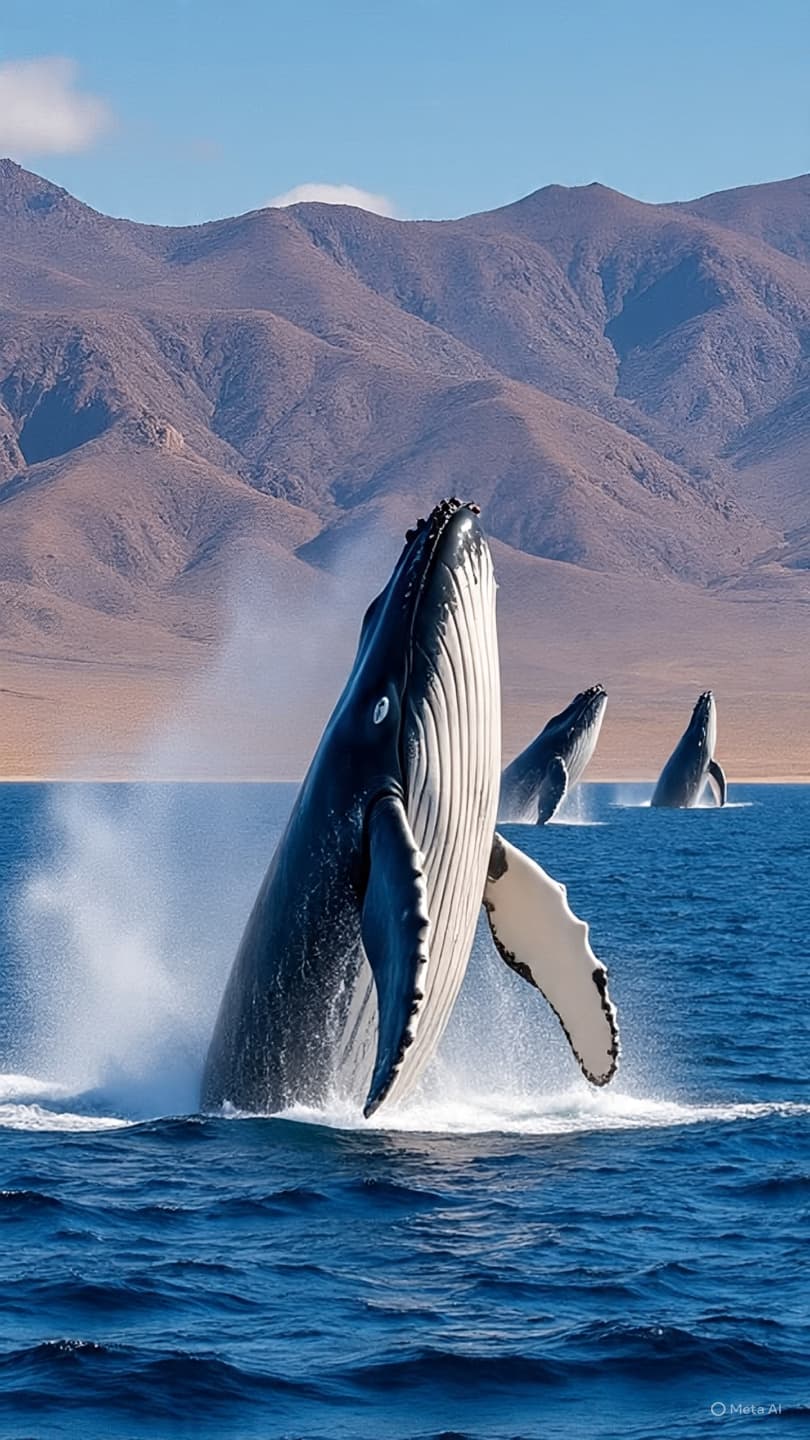
The Gulf of California, often referred to as the world’s aquarium, is a unique ecosystem where the desert sands of Sonora meet the deep blue sea. This region is not only a sanctuary for marine life but also a vital area for biodiversity, housing species ranging from the majestic blue whale to the delicate coral polyp. Recently, the Mexican government has taken significant steps to protect this precious environment by officially expanding the boundaries of its marine sanctuaries.
In a landmark decision, the Ministry of Environment and Natural Resources (SEMARNAT) announced the addition of over 50,000 hectares to the protected marine zones in the Gulf of California. This expansion is more than just a legal adjustment; it represents a commitment to environmental stewardship and a recognition of the intrinsic value of marine ecosystems. The new regulations strictly prohibit industrial fishing and deep-sea mining within these expanded boundaries, while also supporting small-scale sustainable tourism initiatives.
The expansion of these marine sanctuaries is crucial for the protection of various species, particularly the endangered vaquita porpoise and several species of hammerhead sharks. Biologists have emphasized the importance of these habitats, which serve as critical breeding grounds and migratory paths for marine life. By safeguarding these areas, the government is ensuring that the natural rhythms of the Gulf remain undisturbed, allowing for the continuation of life cycles that have existed for millennia.
The Gulf of California is characterized by its ethereal light, which illuminates both the turquoise shallows and the dark depths of the ocean. Within the newly protected zones, schools of mobula rays can be seen leaping gracefully from the water, while sea lions bask on sun-warmed rocks. These scenes are a testament to the harmony that can exist between human intervention and nature when conservation efforts are prioritized.
Local communities that have historically relied on the sea for their livelihoods are also benefiting from this expansion. The recognition that a healthy ocean is essential for cultural and economic sustainability has fostered a collaborative effort among stakeholders. This shared vision aims to ensure that the beauty and resources of the Gulf of California remain a source of national pride and global significance.
As the sun sets over the Cabo Pulmo reef, casting long shadows across the water, the significance of this conservation effort becomes clear. The work of protecting marine ecosystems is ongoing, but each acre added to the sanctuary represents a step toward a more sustainable relationship with our environment. The expansion of the park system is a powerful reminder that some places are too precious to be left vulnerable to exploitation, necessitating the steady hand of institutional protection.
In conclusion, the recent expansion of the marine sanctuary in the Gulf of California marks a pivotal moment in the fight for environmental conservation. It is a story of hope and resilience, anchored in the deep blue heart of the Mexican Pacific, where the delicate balance of life continues to thrive.
Published by Banx Network. This article is part of the Banx decentralized media programme, powered by the BXE token on the XRP Ledger.



