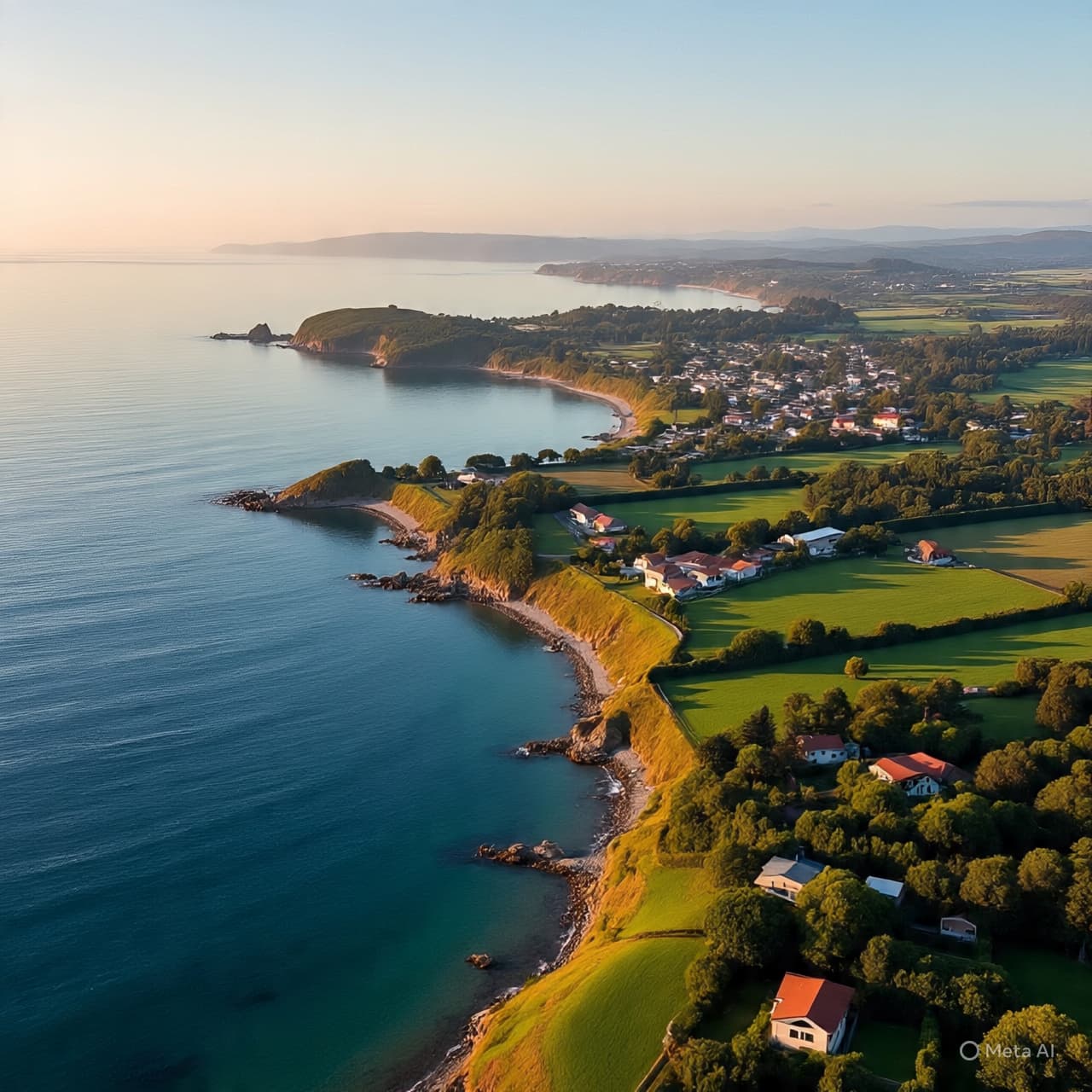
In the early light along Trafalgar Street, shop windows catch the pale shimmer of Tasman Bay and hold it for a moment before the day begins. Trucks idle outside orchards further west, their trailers heavy with fruit that has known frost and sun in equal measure. In the quiet exchanges between baristas and builders, growers and guides, there is a new tone — not loud, not triumphant, but steady. In the Nelson-Tasman region, people are beginning to speak less about hope and more about motion.
Over the past year, business surveys and regional commentary have suggested that something subtle has shifted. The language of optimism — that fragile, forward-leaning feeling — is giving way to what some local leaders describe as momentum. It is visible in fuller booking calendars for tour operators, in construction sites where scaffolding has returned after months of hesitation, in packhouses where export orders feel more predictable than they did during the long aftershocks of the pandemic.
The orchards that quilt the Waimea Plains remain the quiet backbone of the regional economy. Apples and wine continue their journey from sunlit rows to distant markets, their value shaped by weather patterns and global demand. Horticulture exporters have reported steadier conditions, even as they remain watchful of currency movements and shipping costs. The fragility of international supply chains, once a daily concern, has eased into something more navigable, though never entirely certain.
Tourism, too, is finding its rhythm. Visitors have begun to return to the Abel Tasman coastline, tracing golden beaches and tidal inlets with a patience that feels almost reverent. Accommodation providers describe forward bookings that stretch further into the season than they have in recent years. There is no rush of exuberance, but there is traction — a sense that the wheel is turning again.
In boardrooms and on factory floors, the conversations are grounded in detail. Labor shortages, once acute, have softened slightly, though specialized skills remain hard to source. Input costs — fuel, freight, materials — have moderated from their sharp peaks, offering businesses a little more room to plan. The relief is cautious, tempered by the knowledge that global tensions and commodity prices can shift without warning.
Economists observing the region note that the change is not dramatic in numerical terms. Growth remains measured, and households continue to navigate higher living costs and interest rates. Yet predictability, after years of disruption, carries its own quiet power. When orders arrive on time and clients commit to projects months ahead, confidence becomes less abstract.
Nelson-Tasman’s economy has long been a tapestry woven from small enterprises, primary industries, and the seasonal pulse of visitors. Its resilience has often been understated, embedded in family-run vineyards and marine workshops, in artists’ studios and engineering sheds. Now, as cranes edge back into the skyline and export crates stack neatly at ports, the region appears to be stepping forward rather than bracing itself.
The difference between optimism and momentum may be slight in language but substantial in practice. Optimism is a mood; momentum is a movement. It is the hum of machinery restarted, the calendar filling in pencil before it is inked.
As the sun lowers behind the western ranges and the tide retreats from the sandbanks, the day’s commerce settles into quiet reflection. The region is not declaring victory over uncertainty. It is simply continuing — steadily, deliberately — along a path that feels firmer underfoot than it did before. And in that measured stride, there is a story of renewal that speaks less of sudden change and more of enduring rhythm.
Published by Banx Network. This article is part of the Banx decentralized media programme, powered by the BXE token on the XRP Ledger.