The vast, alluvial plains of northern India possess an enduring, complex relationship with the extreme seasonal cycles of the subcontinent, where the annual transition from the dry spring to the summer monsoons has tested human adaptation for millennia. Life inside these densely populated agricultural and industrial corridors moves to an early morning rhythm, governed by the necessity of completing manual labor before the sun reaches its zenith. To an outside observer, the massive brick-and-mortar dwellings and shaded urban markets appear entirely capable of providing refuge from the seasonal heat. Yet, when an unprecedented thermal dome stalls over the region, driving ambient temperatures past historical thresholds, that familiar summer atmosphere can quickly transform into a silent, invisible threat to human survival.
On this particular afternoon, the northern territory experienced a sudden, oppressive surge in thermal radiation, as stagnant air currents trapped a massive pocket of superheated air directly over the regional valleys. The change for the population was steady but devastating, pushing the heat index to levels where the human body’s natural cooling mechanisms can no longer safely regulate internal temperature. There is an implicit trust in the safety of shady alcoves and traditional cooling fans, built on the assumption that hydration and rest will buffer the body against summer variations. Yet, the rapid onset of a record-breaking heatwave alters the parameters of public health completely, transforming an ordinary afternoon of outdoor activity into a crisis of systemic hyperthermia (overheating).
The transition from a standard summer day to a public health emergency occurs when the ambient temperature matches or exceeds the body’s skin temperature, preventing the evaporation of sweat from cooling the blood. As the thermal load compounds through hours of mandatory exposure, farmworkers, construction laborers, and elderly residents face rapid dehydration and the sudden onset of heat stroke. In the absolute quiet of an uncooled room or an open field, the intense heat overwhelms the cardiovascular system with a silent, unyielding momentum, causing rapid disorientation and organ distress. For anyone caught without access to air-conditioned cooling centers or immediate intravenous rehydration, the environmental pressure introduces an immediate hazard that limits the capacity to recover without medical intervention.
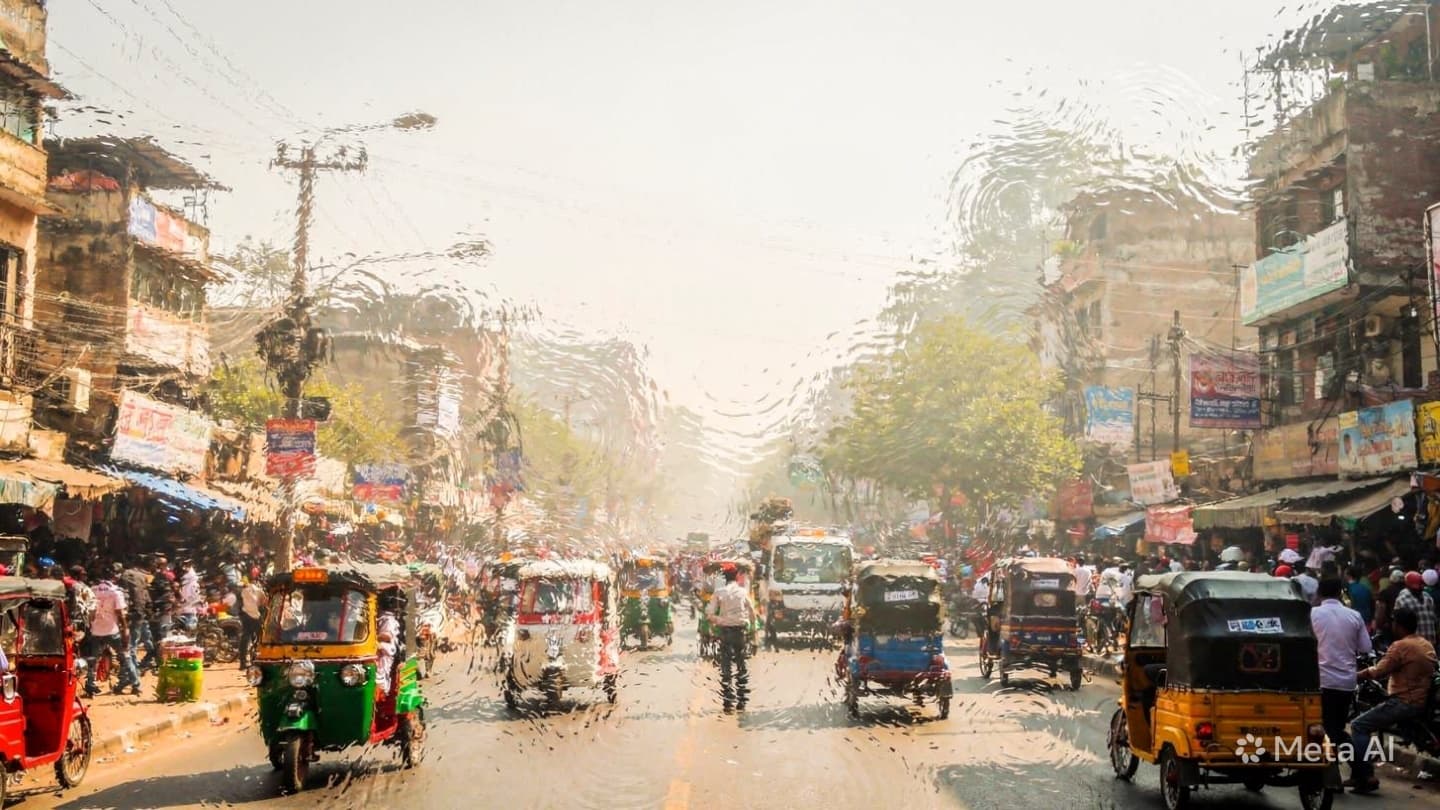
When the district hospital networks and emergency medical teams finally tallied the admissions from the worst-affected sectors, the true toll of the record-breaking thermal event was laid bare. The confirmation of five fatalities due to advanced heat stroke cast a profound, heavy sorrow over the surrounding towns, bringing a somber halt to the vibrant street life of the afternoon market. The surrounding landscape, shimmering under a thick layer of heat distortion and dusty haze, stood as a silent witness to the sheer intensity of the solar force. The district grew quiet, save for the constant drone of emergency water tankers and the hushed voices of community health workers organizing welfare checks for vulnerable households.
The loss of life within a regular community corridor carries a unique weight, representing a sudden, tragic reminder of the stark vulnerabilities that modern populations face as global climate thresholds are systematically broken. The city streets and agricultural fields were designed to facilitate industrious daily living, rather than serving as places of sudden physical collapse. It forces an unspoken reflection on the limits of urban infrastructure and traditional cooling methods when localized atmospheric conditions completely surpass historical design parameters. The remaining residents gathered around community water distribution points, looking up at the white-hot sky with a quiet sense of sobriety and shared anxiety.
By evening, regional health administrators and emergency response coordinators had established an emergency triage grid across the municipal clinics, their ice baths and rehydration packs introducing a clinical focus to the crisis. The technical task of tracking heat-related admissions, distributing electrolyte packets, and monitoring the power grid’s capacity to sustain cooling infrastructure was handled with a necessary focus. Yet, despite the organized efficiency of the medical deployment, the emotional weight of the tragedy settles deep into the memory of the province. For the administrative teams, the event is a matter of peak temperature readings and wet-bulb variables, but for the community, it is a deeply personal loss.
The technical reports compiled by disaster management bureaus are meticulous, analyzing the duration of the thermal anomaly, the regional distribution of ambient sensors, and the effectiveness of early-warning text alerts. It is a necessary ritual of modern climate adaptation, translating an afternoon of environmental crisis into a series of public health recommendations meant to protect future populations. The implementation of mandatory afternoon work stoppages, the expansion of municipal "cool spaces," and the fortification of the local electrical grid to prevent blackouts will all be thoroughly re-evaluated. But for the families of the victims, the administrative data provides no immediate relief from the heavy silence left behind.
Eventually, the pressure systems will shift, the early monsoon clouds will bring cooling rains, and the full flow of northern commerce will resume its characteristic momentum. The farmers will return to the fields, the markets will fill with life once more, and the memory of the historic heat dome will slowly recede into the long weather history of the plains. But for a long while, the empty stalls in the afternoon market will stand as a somber monument to the unpredictable intersections of human labor and the unyielding power of the sun. It remains a stark warning that the climate retains its ultimate sovereignty over the spaces we inhabit.
The NDTV Disaster Management Bureau confirmed that a severe heatwave claimed five lives in northern India on June 13, 2026, as ambient temperatures broke historical records across multiple states. Regional health officials reported that an intense atmospheric thermal dome pushed temperatures past forty-eight degrees Celsius, causing widespread heat stroke among outdoor workers and elderly residents. Emergency medical services deployed mobile cooling vans to high-density areas, treating dozens for severe hyperthermia and transporting critically ill patients to regional trauma units. The Ministry of Health has issued an urgent red alert advisory, mandating the suspension of all non-essential outdoor labor between noon and four in the afternoon.
Published by Banx Network. This article is part of the Banx decentralized media programme, powered by the BXE token on the XRP Ledger.