
Key Highlights
- Global shipping rates have remained stable despite rising trade volumes.
- Increased demand for goods is driving stronger shipping activity.
- Technological advancements are enhancing operational efficiency in logistics.
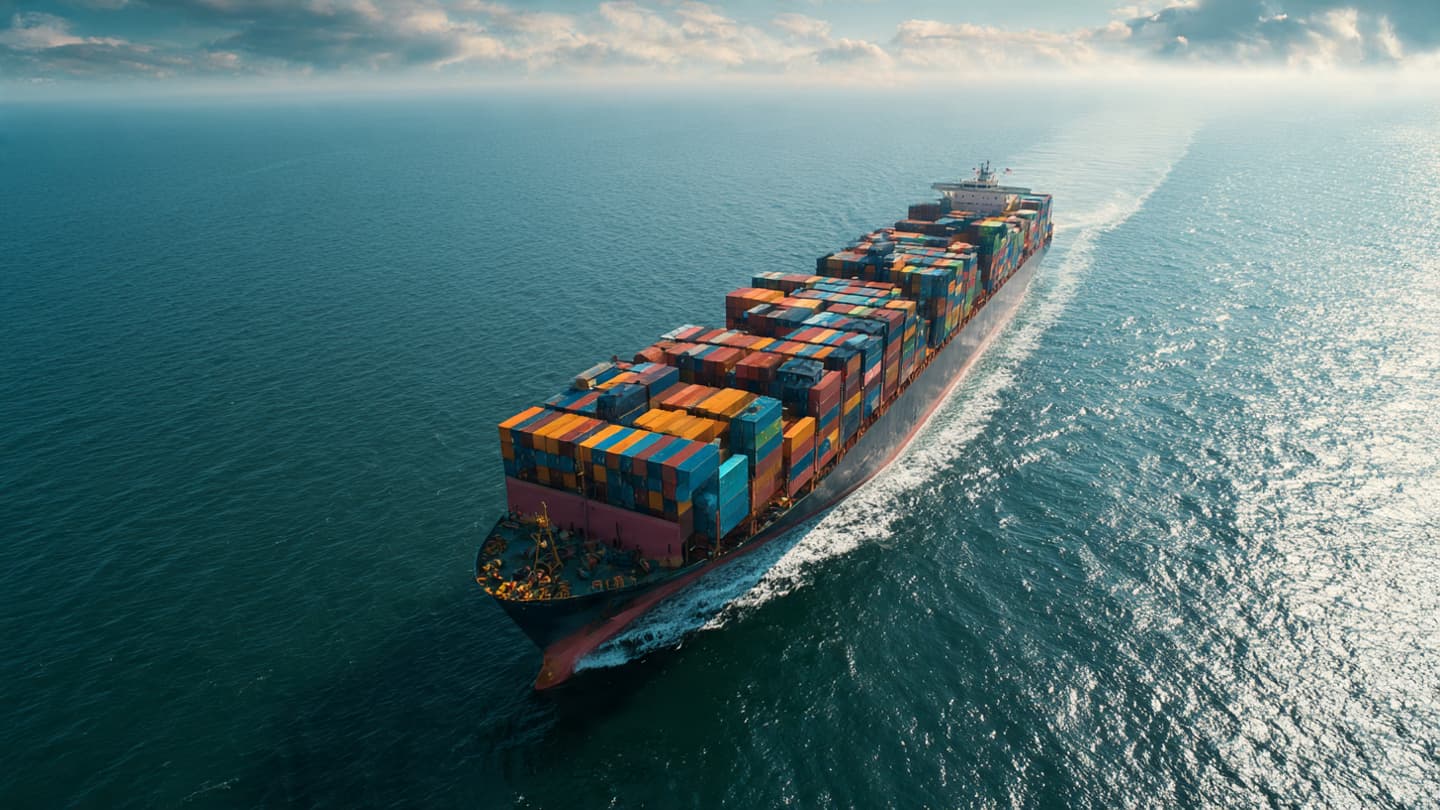
The global shipping industry plays a crucial role in international trade, with millions of containers traversing the world's oceans each year. These containers transport a wide array of goods, from electronics and machinery to clothing and food products. Despite often being overlooked, container shipping is a foundational element of global commerce. Recent data indicates that shipping rates have remained stable, even as trade volumes show signs of improvement.
Stable shipping costs are a welcome development for businesses, as predictability simplifies planning and budgeting. Companies depend on transportation budgets to manage their supply chains, set prices, and evaluate investment opportunities. Greater certainty in shipping costs can significantly reduce operational risks, allowing businesses to operate more efficiently.
Encouragingly, trade volumes have been on the rise, driven by increased demand for goods across various regions. This uptick in demand has led to stronger shipping activity, benefiting logistics providers and the broader global economy. As businesses ramp up production to meet consumer needs, the shipping industry is positioned to support this growth.
Shipping companies have also reaped the rewards of operational improvements made in recent years. Investments in digital tracking systems, route optimization, and fleet management have enhanced efficiency and service reliability. These advancements allow shipping firms to respond more effectively to market demands and maintain consistent service levels.
Manufacturers heavily rely on stable logistics conditions to ensure that raw materials, components, and finished goods arrive on schedule. This reliability is essential for maintaining productivity and overall economic performance. Retailers, too, benefit from predictable shipping conditions, as improved supply chain visibility enables them to manage inventory levels and adapt to changing consumer preferences more effectively.
Economic analysts often view shipping activity as a barometer for broader commercial trends. Healthy trade volumes typically indicate ongoing engagement between producers, suppliers, and consumers in international markets. However, industry experts warn that global logistics remain vulnerable to external factors such as weather events, geopolitical developments, and fluctuations in demand. Therefore, maintaining resilience in logistics networks is a priority for shipping companies and their clients.
Technology continues to play an increasingly vital role in the shipping industry. Advanced data analytics, automation, and real-time monitoring tools are helping to improve operational efficiency while minimizing the risk of costly disruptions. As the industry evolves, these technological innovations will be crucial in navigating the complexities of global trade.
For the time being, the combination of stable shipping rates and improving trade volumes sends a positive signal for the global economy. Just as well-maintained sea lanes guide vessels safely to their destinations, efficient logistics networks are essential for facilitating the movement of commerce that connects nations worldwide.
Published by Banx Network. This article is part of the Banx decentralized media programme, powered by the BXE token on the XRP Ledger.



