In the hushed moments before dawn, when the sea and sky share a single quiet hue, the coastal city of Safi seemed untouched by any whisper of calamity. Traders were stirring by their seaside homes, fishermen mended nets, and narrow alleys carried the day’s first soft steps. But in a matter of hours, that fragile calm gave way to a sudden rush of water — not gentle creek or predictable tide, but a torrent that surged unseen and swift, sweeping through streets and hearts alike.
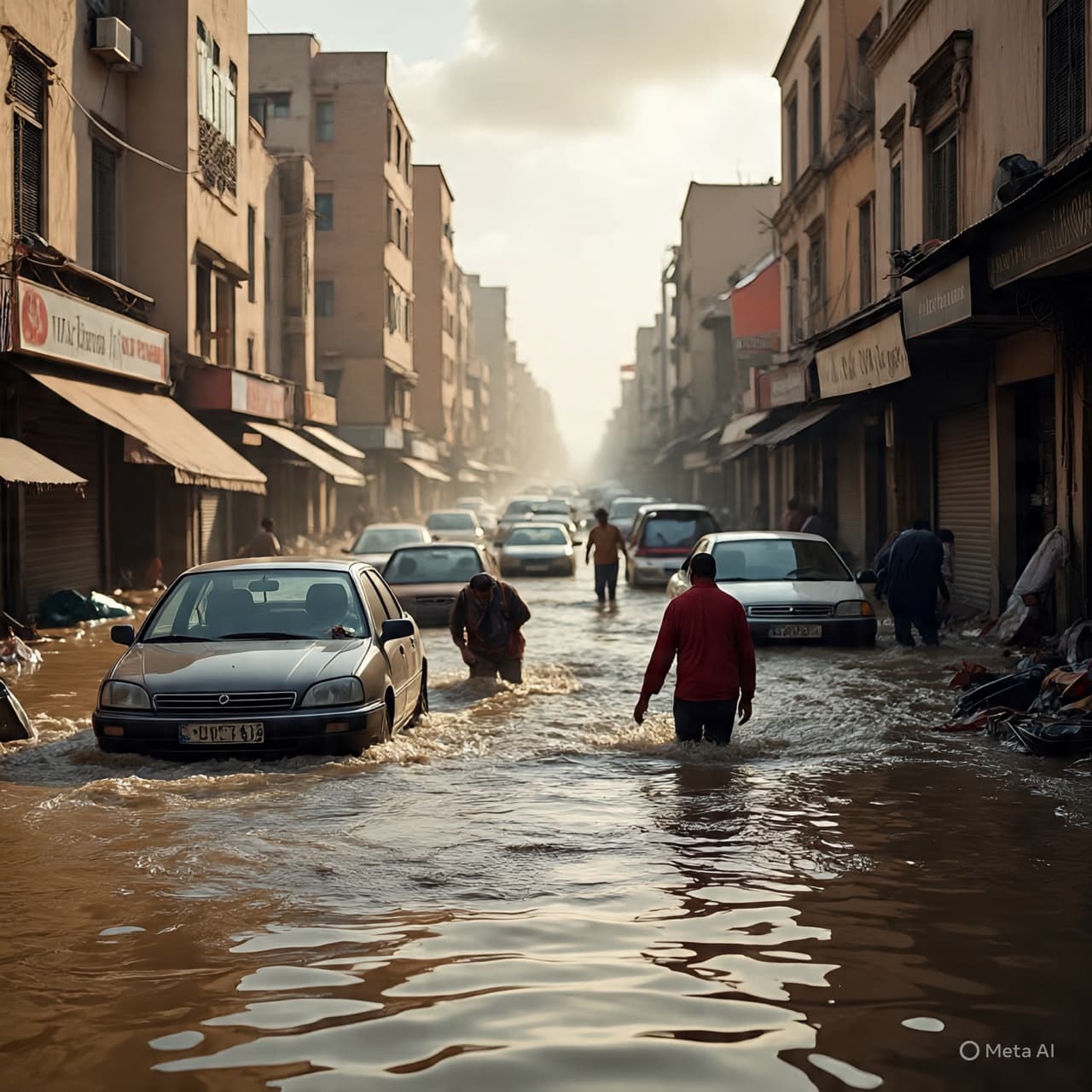
On Sunday, torrential rain — falling with uncommon intensity — unleashed flash floods that inundated parts of Safi, a port city along Morocco’s Atlantic coast. Families awoke to walls of water where alleyways had been, old city shops submerged under a sheen of mud, and cars carried off like flotsam in an angry stream. Authorities reported at least 37 people killed, with many more injured and rescue operations in full swing as communities struggled to comprehend the breadth of loss.
In the space of a single hour, this weather event transformed familiar streets into rivers, and everyday life into a scene of urgent survival. Homes that once offered shelter became islands amid rushing water; children clutched parents’ hands on once-quiet sidewalks that now flowed with mud and debris. Images circulating from the scene showed rescue teams navigating the swollen avenues, and neighbors helping one another out of sheer necessity.
The magnitude of the flood has been described by some observers as the deadliest of its kind in Morocco in recent decades, a stark reminder of how swiftly nature’s balance can tip. Beyond the immediate tragedy of lives lost, the deluge exposed how vulnerable built environments can be when extreme weather strikes with little warning.
In the hours after the rain abated, residents sifted through mud-soaked remnants of their possessions, children and elders alike moving slowly through streets that once bustled with daily life. Schools in the region have been closed temporarily, and local authorities are urging continued vigilance as clean-up and recovery efforts unfold.
While the waters have receded, their imprint remains on the landscape and on the hearts of those affected. In Safi’s community centers and family homes, conversations turn from shock to resilience — how to rebuild, how to honor those lost, and how to better prepare for storms that may no longer be as rare. In these reflective days, one unspoken thread weaves through the city’s recovery: the recognition that compassion and solidarity will be as essential as physical reconstruction.
AI Image Disclaimer *Illustrations were produced with AI and serve as conceptual depictions.*
Source Check Al Jazeera – reports at least 37 dead after flash floods hit the city of Safi. TRT World – also notes at least 37 killed and widespread flooding damage. Le Monde (translated) – details flood impacts in Morocco’s Safi region. Bloomberg – describes it as the deadliest flash flood in over two decades. France24 – covers flooding and its effects on homes and infrastructure.
Published by Banx Network. This article is part of the Banx decentralized media programme, powered by the BXE token on the XRP Ledger.


.jpg&w=3840&q=75 "Dirty Dancing’ Sequel Will Honor Patrick Swayze as Jennifer Grey Helps Shape Baby’s Next Chapter")