In the highlands and coastal valleys of Peru, the first light of morning usually arrives gently, tracing the contours of mountains that have watched over generations. Villages stir awake beneath broad skies, marketplaces prepare for another day, and familiar paths once again welcome those beginning their daily journeys. Yet when the earth itself moves without warning, even landscapes that seem timeless can suddenly feel unfamiliar.
That unsettling transformation followed a powerful earthquake that struck Peru, leaving at least six people dead and dozens more injured. The tremor damaged homes, public buildings, and sections of transportation infrastructure, while emergency crews moved quickly to search collapsed structures and assist affected communities. Authorities continued assessing the full extent of the destruction as aftershocks kept many residents on alert.
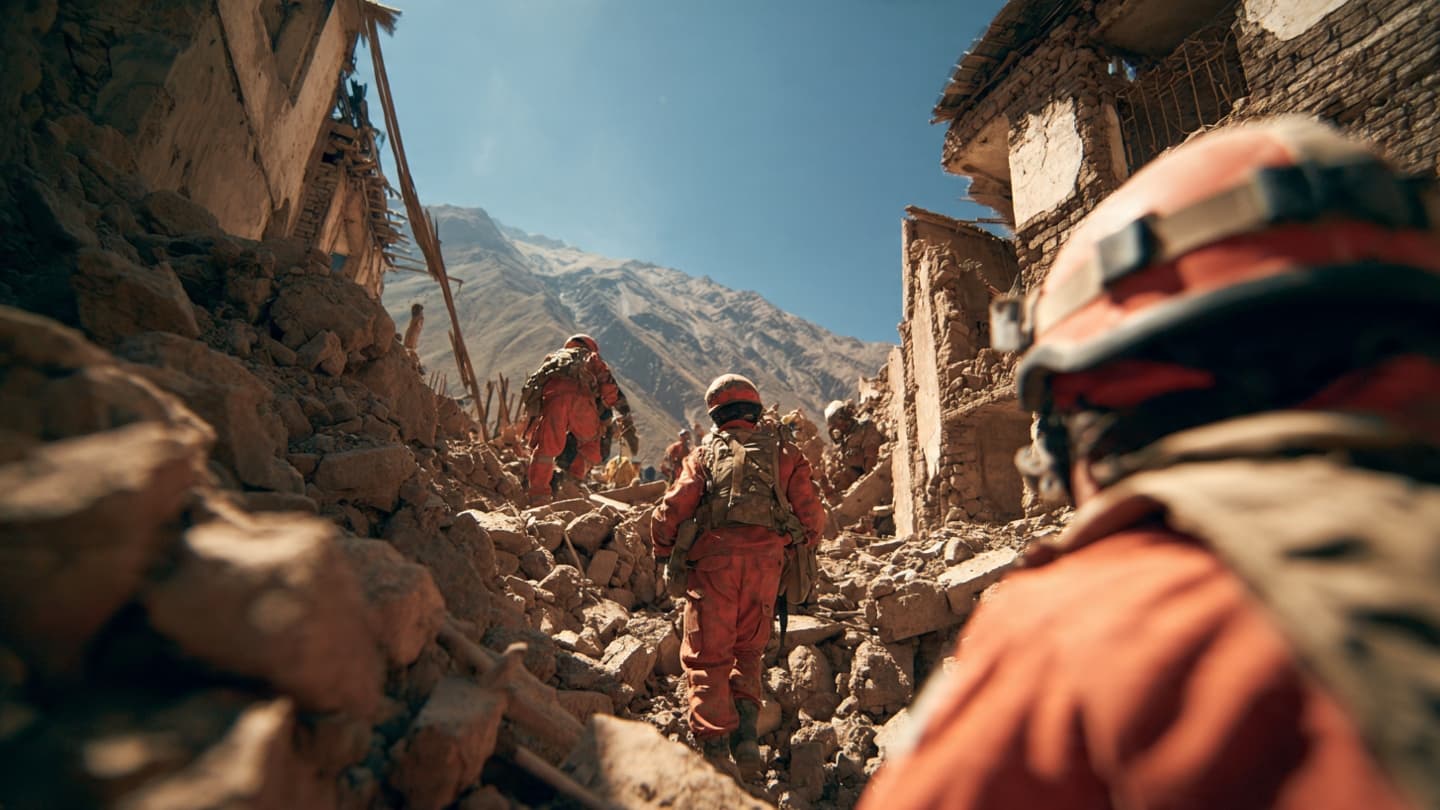
Rescue operations unfolded with urgency but also with careful patience. Firefighters, police officers, medical teams, and volunteers worked side by side through damaged neighborhoods, listening for survivors beneath fallen concrete and clearing debris from blocked streets. Temporary shelters were established for families unable to return safely to their homes, offering food, water, and essential medical assistance while recovery efforts expanded.
Peru is one of the world's most earthquake-prone countries, situated along the Pacific Ring of Fire where several tectonic plates converge. This geological setting has shaped both the country's dramatic mountain landscapes and its long history of seismic activity. Engineers and emergency officials regularly prepare for such events, yet each earthquake brings unique challenges depending on its location, depth, and intensity.
Across the affected regions, hospitals treated those injured while engineers inspected schools, bridges, and public facilities for structural damage. Authorities urged residents to remain cautious as aftershocks continued, reminding communities that secondary tremors can sometimes pose additional risks to weakened buildings. Restoring essential services, including electricity, water, and transportation, became an immediate priority.
Beyond the physical destruction, the earthquake also altered the rhythm of everyday life. Families gathered outside damaged homes, neighbors checked on one another, and communities found comfort in shared acts of support. In moments like these, resilience often emerges quietly—in the offering of shelter, the sharing of meals, or the simple reassurance that no one faces recovery alone.
National emergency agencies coordinated with local governments to deliver humanitarian assistance, while disaster response specialists evaluated longer-term reconstruction needs. Seismologists also continued monitoring geological activity, emphasizing that careful assessment would help guide both immediate safety measures and future rebuilding efforts.
Natural disasters often remind societies that strength is measured not only by infrastructure but also by the relationships that bind communities together. While buildings may be repaired and roads rebuilt, recovery also depends upon patience, cooperation, and the willingness of people to help one another through uncertain days. Each restored home and reopened school becomes part of a gradual return to normal life.
As evening settles over Peru's mountains and valleys once more, the landscape begins to regain its familiar stillness. Yet beneath that calm lies the memory of a day when the earth briefly changed its course. The road ahead will require time, resilience, and continued support, but history has shown that communities shaped by both beauty and hardship often discover their greatest strength not in the absence of adversity, but in the quiet determination to begin again.
AI Image Disclaimer The accompanying illustrations were generated using AI as conceptual visual representations and do not depict actual photographs of the reported events.
Sources Reuters Associated Press United States Geological Survey (USGS) Peru National Emergency Operations Center (COEN) BBC News
Published by Banx Network. This article is part of the Banx decentralized media programme, powered by the BXE token on the XRP Ledger.

.jpg&w=3840&q=75 "Intelligence Agencies Suspect Russia Is Developing Anti-Satellite Weapon to Target Starlink")