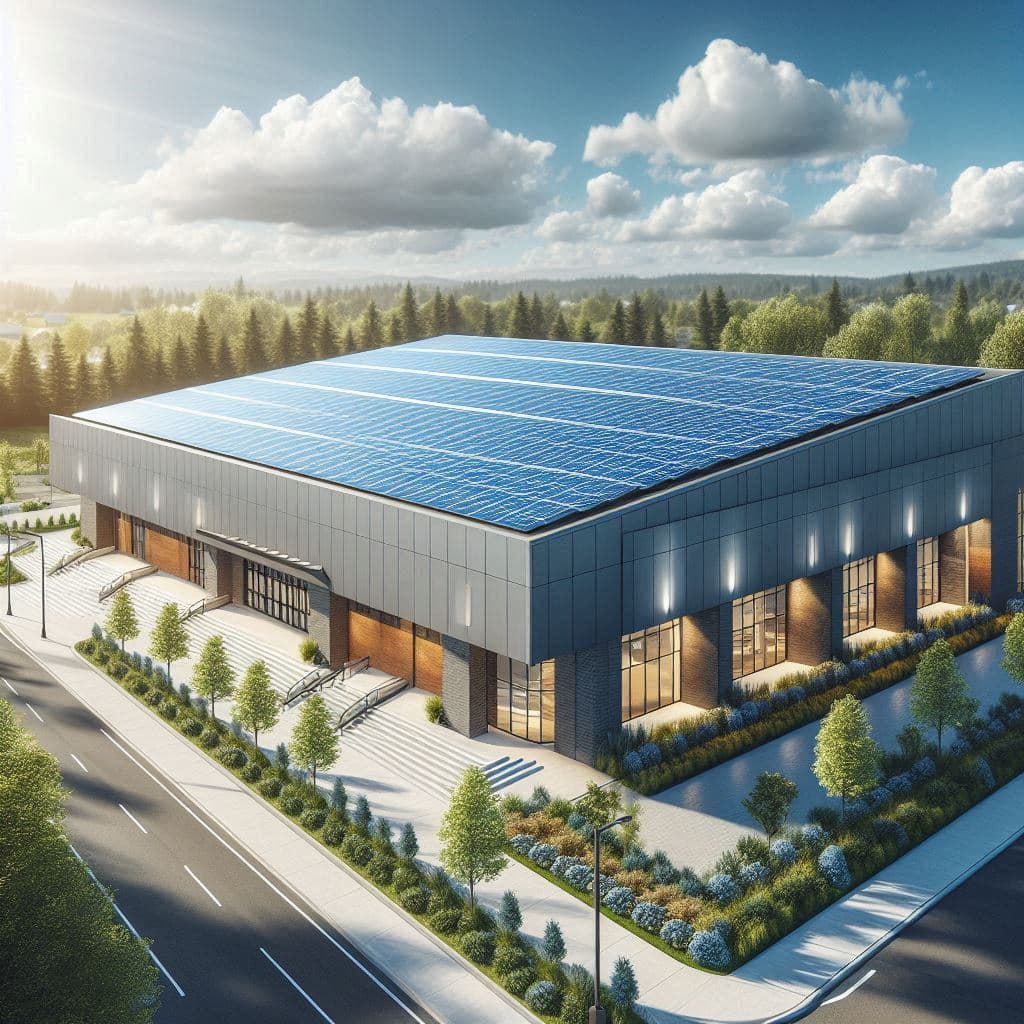
In the gentle unfolding of morning sun over Nova Scotia’s rolling landscapes, there is something quietly poetic about ice and light coming together. For decades, community rinks across this province have been places of laughter and breath-clouds in winter air, where the sound of skates carving ice marks the rhythm of countless memories. Now, in Lower Sackville, that familiar cadence is being touched by a new kind of energy — one born from sunshine rather than solely from the hum of mechanical power. What was once a simple place of games and gatherings is poised to become Nova Scotia’s first solar-powered hockey arena, an emblem of sustainability that marries tradition and a brighter future.
At the heart of this transformation is the Sackville Community Arena, a cherished hub where local teams have trained, families have cheered, and children have learned to skate. Community advocates and volunteers talk about the rink not just as a building, but as a heartbeat of place — a little like a shared hearth in a wider world that often feels too rushed. The decision to invest in solar technology reflects that same thoughtful heartbeat, seeking not only to preserve the rink’s daily functions but to align them with the rhythms of nature that have shaped life here for generations.
The federal government’s $1.3 million investment toward installing more than a thousand solar panels on the arena’s roof was met with a quiet kind of celebration among residents who see in this project an echo of community resilience. For many, the panels promise more than energy savings — they symbolize a renewal of care for a place that has nurtured so many. There is a sense that this shift toward solar power is a gentle reminder of how modern ingenuity can serve simple human pleasures — laughter on the ice, the smell of hot chocolate afterward — without sacrificing the long-term health of the environment.
Local voices speak of the financial relief this change will bring. The arena currently faces monthly electricity bills in the tens of thousands of dollars, money that could instead be directed toward improved facilities, updated boards, and more affordable usage fees for local families. With solar panels expected to generate the bulk of the arena’s electricity needs, operating costs may be significantly reduced, and energy stored in backup systems can help during peak demand or outages. Such practical benefits are woven seamlessly into the community’s hopes for a rink that remains open and vibrant for decades to come.
There is also a reflective quality in how people talk about this shift — not as a grand, disruptive change, but as a thoughtful evolution. Like seeing an old friend in new light, community members appreciate how the familiar rink can embrace innovation without losing its essence. In conversations that drift from solar panels to youth hockey leagues to the laughter that fills locker rooms, one thread remains constant: a desire for the rink to remain a place of warmth in winter’s cold.
In straightforward terms, federal funds have been secured to outfit the Sackville Community Arena with solar panels and a battery energy storage system, expected to cut energy costs and reduce greenhouse gas emissions. Local leaders and groups emphasize that the project supports long-term sustainability for the facility and may serve as a model for community spaces across the province.
AI Image Disclaimer “Illustrations were produced with AI and serve as conceptual depictions.”
Sources CTV News Acadia Broadcasting Mirage News Travel and Tour World Local news roundup/news aggregator
Published by Banx Network. This article is part of the Banx decentralized media programme, powered by the BXE token on the XRP Ledger.