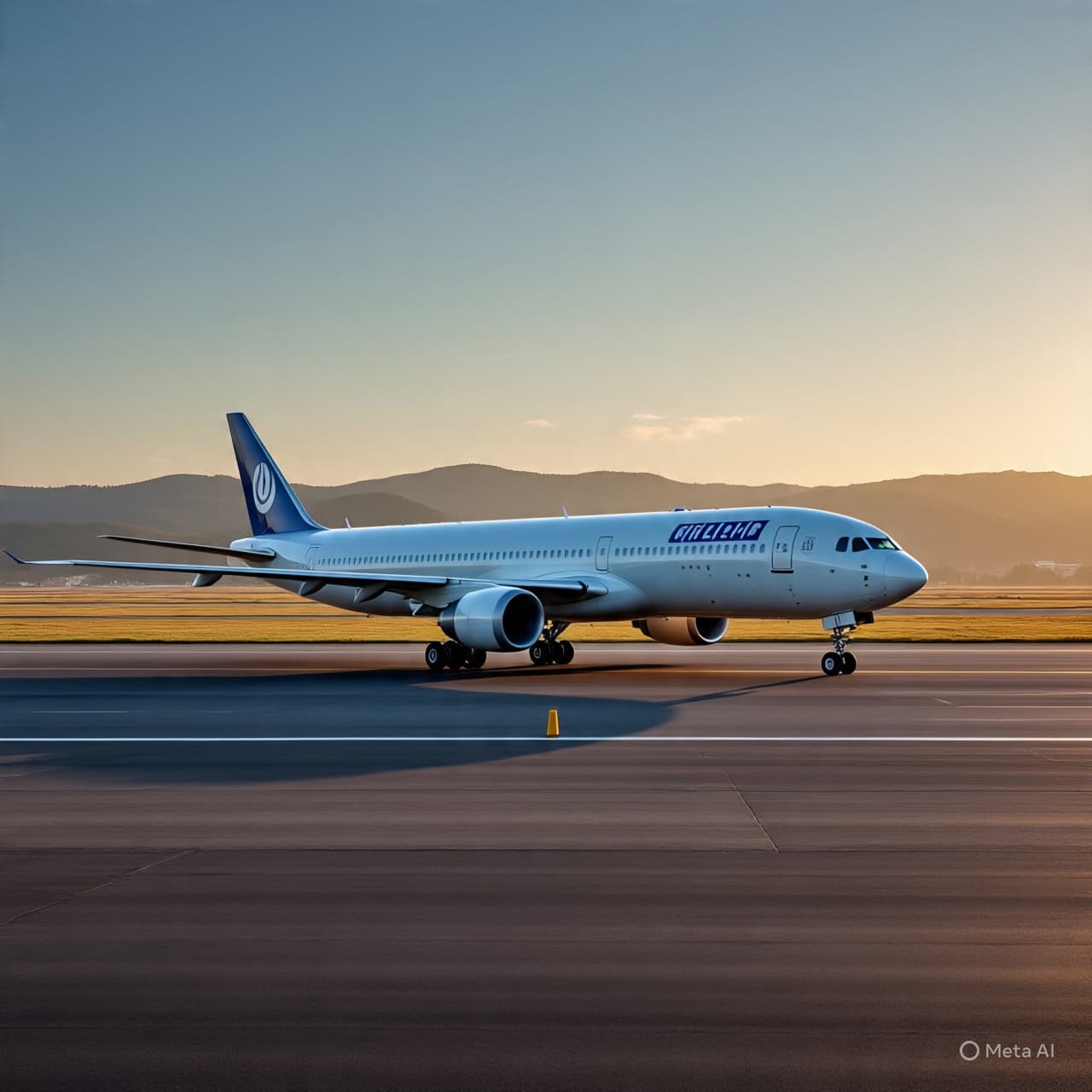
In the softened light of a late winter afternoon, when the sky over the Pacific is neither harsh nor subdued but simply full of promise, the thought of flight has a certain poetry to it — of ascent, of leaving one world and touching another, of the way a long ribbon of runway can become a thread between lives and places. For many who imagine Hawaii as a distant chapter of warmth and surf, the notion of reaching those islands carries a quiet hum of anticipation.
Delta Air Lines has recently drawn new lines across the map that echo this sense of motion. Later this year, the carrier plans to revive a once‑suspended route between Boston and Honolulu, bringing back direct service that connects the eastern reaches of the United States to the gentle swell of Hawaii’s largest city. At the same time, a fresh nonstop flight is set to link Minneapolis–St. Paul with Maui, offering travelers from the Midwest a more direct path to the emerald fields and volcanic shores of that island. These changes are part of what the airline describes as its most expansive seasonal schedule for Hawaii to date, with added frequencies, re‑started services, and aircraft upgrades woven into a broader pattern of connectivity.
For those who remember a suspended Boston‑Honolulu service, the return of that route carries a kind of fulfillment — a restoration of possibility that had once receded. The Minneapolis–Maui service, too, follows earlier plans that were set aside, offering another example of how travel networks can bend and shift in response to events both expected and unforeseen. At Delta’s hubs from New York to Atlanta, from Detroit to Salt Lake City, the thread of expanded Hawaii flights promises more choice for travelers seeking winter sun or spring respite.
There is also a practical logic to these plans. Airlines measure demand, gauge seasonal travel patterns, and deploy aircraft in ways that balance efficiency and opportunity. In this case, the Airbus A330‑300 — an aircraft designed for long‑haul comfort — is slated to operate on many of the new and revived services, blending capacity with range. Routes that once offered only occasional links now edge toward daily rhythms, inviting both seasoned vacationers and first‑time explorers to look toward the Pacific with fresh intent.
But beyond the calculations of schedules and aircraft types, there is something gently evocative about what these announcements represent. Airports, in every land, are places of departure and return; they mark transitions both literal and emotional. For someone in Minneapolis or Boston, the sight of a Delta aircraft bound for Hawaii carries more than the promise of a ticket — it carries the promise of anticipation, of landscapes just beyond the horizon.
And as winter’s cool breath lingers over the mainland, the thought of distant beaches and warm breezes becomes a kind of quiet counterpoint — a reminder that distance, in the age of flight, is always negotiable.
In direct terms: Delta Air Lines plans to expand its Hawaii schedule for the winter 2026‑2027 season. This includes the return of nonstop flights from Boston to Honolulu, the launch of new nonstop service between Minneapolis‑St. Paul and Maui, and added frequencies or aircraft upgrades on several existing routes from cities such as New York‑JFK, Atlanta, Detroit, Salt Lake City and Los Angeles. These services are intended to strengthen connectivity between key mainland U.S. hubs and Hawaiian destinations.
AI Image Disclaimer Visuals are AI-generated and serve as conceptual representations.
Sources (Media Names Only) Reuters Associated Press BBC News Al Jazeera Hawaii News Now
Published by Banx Network. This article is part of the Banx decentralized media programme, powered by the BXE token on the XRP Ledger.