
Key Highlights
- Australia’s hotel industry is adjusting to changes in international travel due to Middle East conflict.
- Airlines have altered routes, impacting flight availability and travel times.
- Travelers are postponing or rerouting trips, affecting hotel bookings.
The morning sun casts a warm glow over Australia's coastal cities, where the rhythm of daily life unfolds in hotel lobbies and bustling cafés. As guests check in and suitcases glide across polished floors, the atmosphere seems tranquil. However, beneath this calm exterior, significant global events are creating ripples that could affect the tourism sector in Australia.
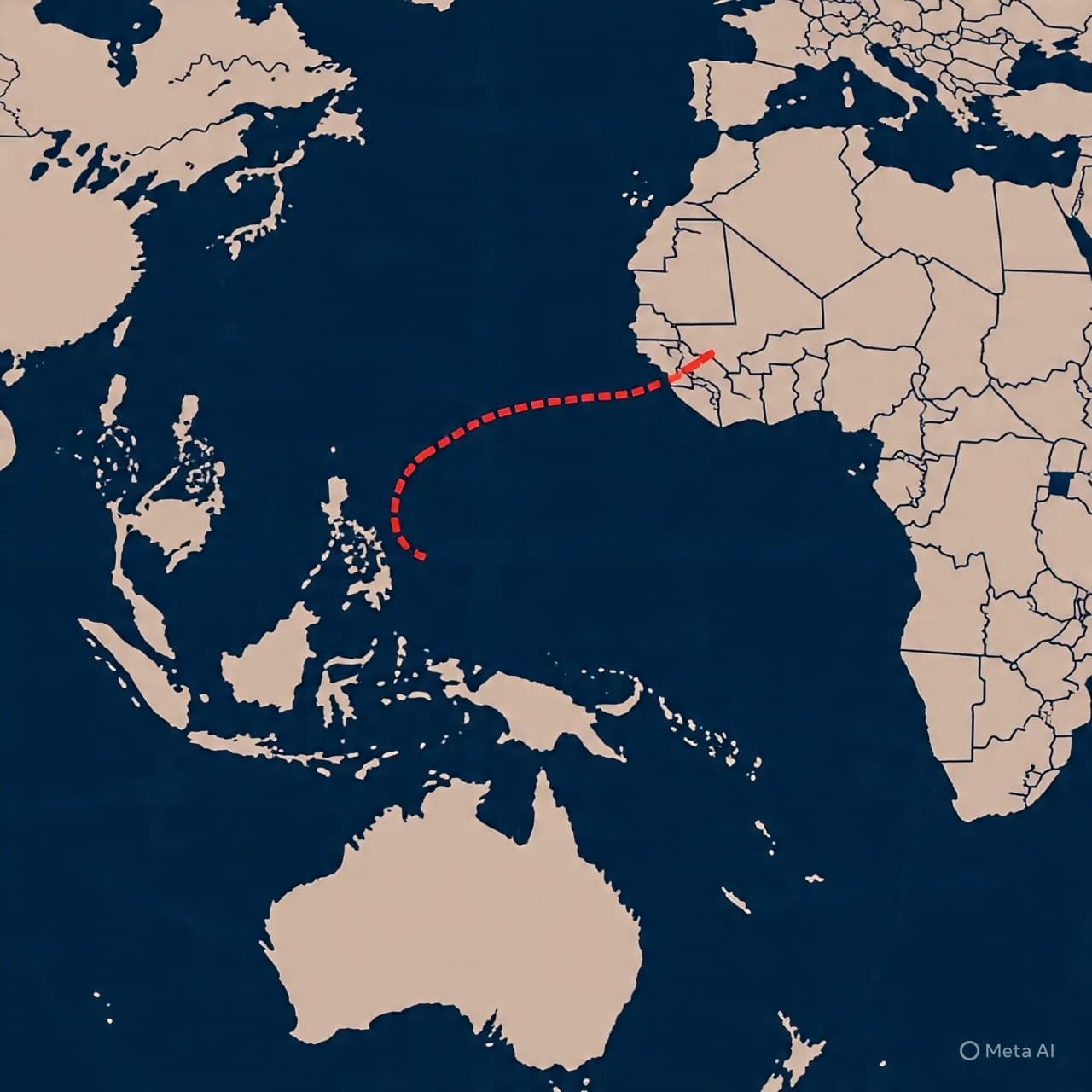
Recent conflicts in the Middle East have led to the closure of airspace and the alteration of flight paths, prompting airlines to cancel or reroute flights that typically connect Australia with Europe and Asia. This disruption has created a complex scenario for the Australian tourism industry, which relies heavily on international travelers. As airlines navigate these challenges, the effects are felt thousands of miles away in hotel booking patterns.
Hoteliers across Australia are closely monitoring their booking calendars, balancing optimism with caution. The Middle East is a crucial hub for long-haul flights, and any changes in airline schedules can have a direct impact on hotel reservations. Some travelers are choosing to postpone their trips until they have more clarity on flight availability and regional stability, while others are opting for alternative routes that may extend their travel times.
The uncertainty surrounding international travel has led to a shift in expectations for many hotels. While cancellations have not been widespread, the conversations between hotel operators and guests are increasingly marked by a sense of unpredictability. Travel operators report that many customers are hesitant to commit to plans, reflecting a broader trend of caution in the face of global instability.
Airlines are at the forefront of these changes, with several carriers adjusting their routes or suspending flights that pass through conflict-affected areas. These adjustments not only increase operational costs but also reduce the number of available seats on long-distance flights, further complicating the travel landscape. The ripple effects of these changes extend throughout the tourism sector, influencing everything from hotel occupancy rates to pricing strategies.
Australia's hotel industry has weathered similar storms in the past, from economic downturns to health crises. Each time, the response has been one of adaptation—whether through adjusting marketing strategies or focusing more on domestic tourism. Currently, many hotel operators are taking a measured approach, with bookings for upcoming seasons still coming in, albeit with shorter lead times than usual. This trend indicates a cautious optimism, as travelers remain interested in visiting Australia despite the uncertainties.
Tourism officials emphasize that Australia continues to be an attractive destination, known for its stunning landscapes, rich cultural offerings, and a reputation for safety and stability. While the pace of arrivals may fluctuate due to external factors, the underlying demand for travel to Australia remains strong. As hotel staff continue their daily routines, the industry remains vigilant, monitoring developments in the Middle East and their potential impact on international travel.
In conclusion, Australian hoteliers are navigating a challenging landscape as they adapt to the evolving situation in the Middle East. With airlines adjusting routes and travelers reconsidering their plans, the tourism sector is poised to respond to these changes in the weeks ahead, hoping for a swift return to normalcy in international travel.
Published by Banx Network. This article is part of the Banx decentralized media programme, powered by the BXE token on the XRP Ledger.



