
Key Highlights
- Divergence in Views:UK PM Keir Starmer reveals U.S. intelligence agencies disagree with Trump's stance on the Chagos Islands.
- Strategic Importance:The Chagos Islands are crucial for military and geopolitical reasons, particularly regarding Diego Garcia.
- Political Complexity:The situation underscores the complexities of foreign policy, balancing political rhetoric with intelligence assessments.
The Chagos Islands, a remote archipelago in the Indian Ocean, have recently resurfaced in political discourse, revealing a significant divergence in perspectives between U.S. intelligence agencies and former President Donald Trump. UK Prime Minister Keir Starmer's comments this week highlighted that U.S. intelligence does not share Trump's opposition to a proposed deal concerning the islands, which has implications for both national security and international relations.
The proposed agreement aims to address long-standing sovereignty disputes while ensuring the continued operation of the strategic military base located on Diego Garcia. This base has been pivotal for U.S. military operations in the region, making the islands a focal point of geopolitical strategy. The Chagos Islands' significance is not merely geographical; it is deeply entwined with issues of post-colonial accountability and international law, as the islands were forcibly depopulated in the 1960s to facilitate U.S. military presence.
Starmer's assertion reframes the debate from a simplistic political narrative to a more nuanced analysis of intelligence assessments. While Trump has characterized the deal as unnecessary or risky, Starmer's comments suggest that intelligence professionals prioritize stability and alliance management over political signaling. This divergence illustrates the complexities inherent in foreign policy decisions, which are often influenced by competing priorities and perspectives.
For the UK, the Chagos question is particularly sensitive, as it touches on historical injustices and the legacy of colonialism. The islands' status remains a contentious issue, with ongoing legal battles and calls for reparations from the Chagossian people, who were forcibly removed from their homes. As negotiations progress, the implications of any agreement will resonate beyond the immediate political landscape, affecting international relations and perceptions of British accountability.
The situation also underscores a broader truth about foreign policy: even the most powerful political leaders do not possess a monopoly on judgment. Intelligence assessments are typically conservative and slow-moving, shaped by a careful weighing of risks rather than ideological considerations. This dynamic can lead to tensions between political leaders and intelligence agencies, as seen in the current discourse surrounding the Chagos Islands.
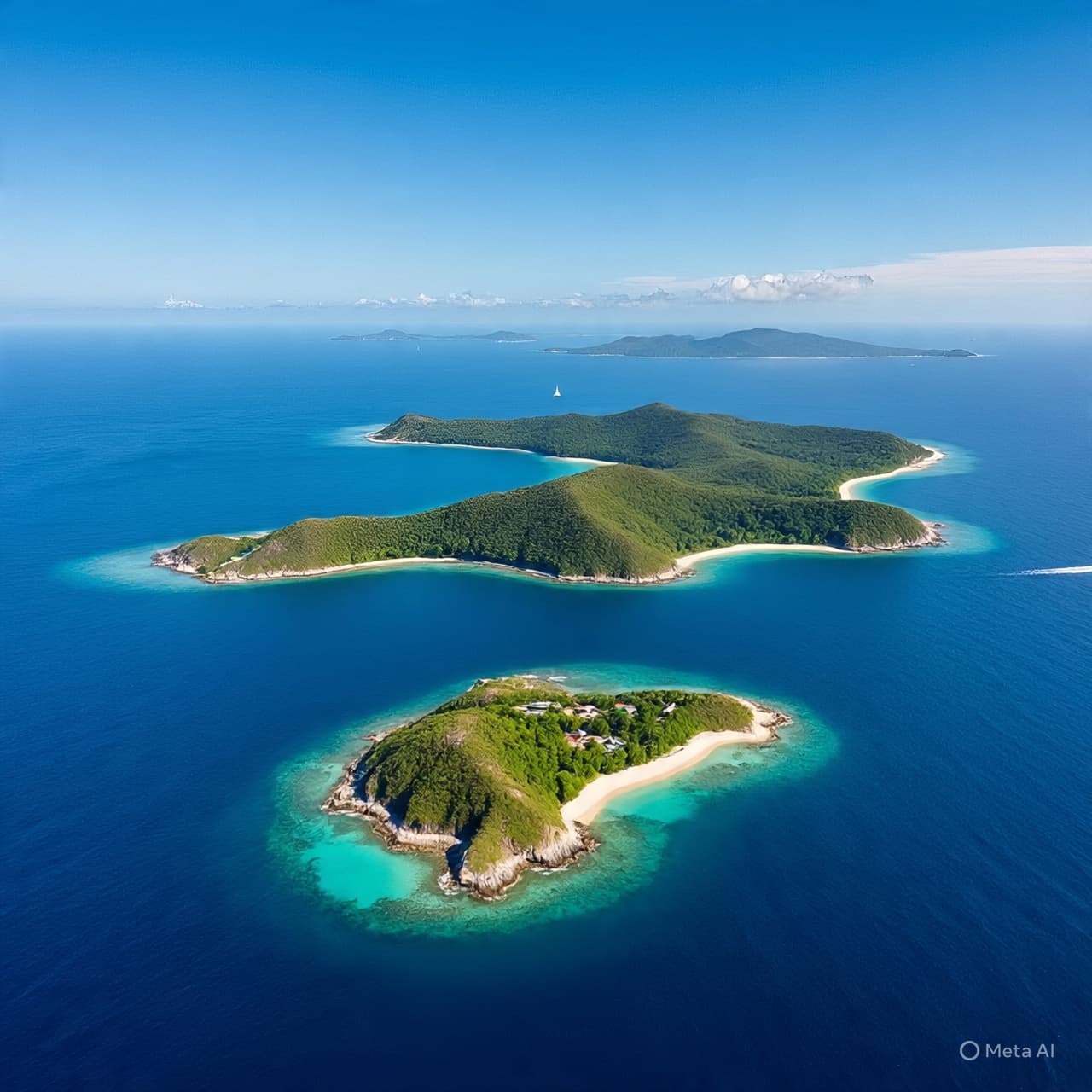
As discussions continue, the Chagos Islands remain unchanged, their natural beauty contrasting with the complex geopolitical realities surrounding them. The lagoons and runways of Diego Garcia stand as silent witnesses to the ongoing negotiations, where history, strategy, and political rhetoric intersect in the quiet corridors of power. The divergence in views on the Chagos Islands serves as a reminder of the intricate balance that defines modern statecraft, where certainty often gives way to careful disagreement.
Published by Banx Network. This article is part of the Banx decentralized media programme, powered by the BXE token on the XRP Ledger.



