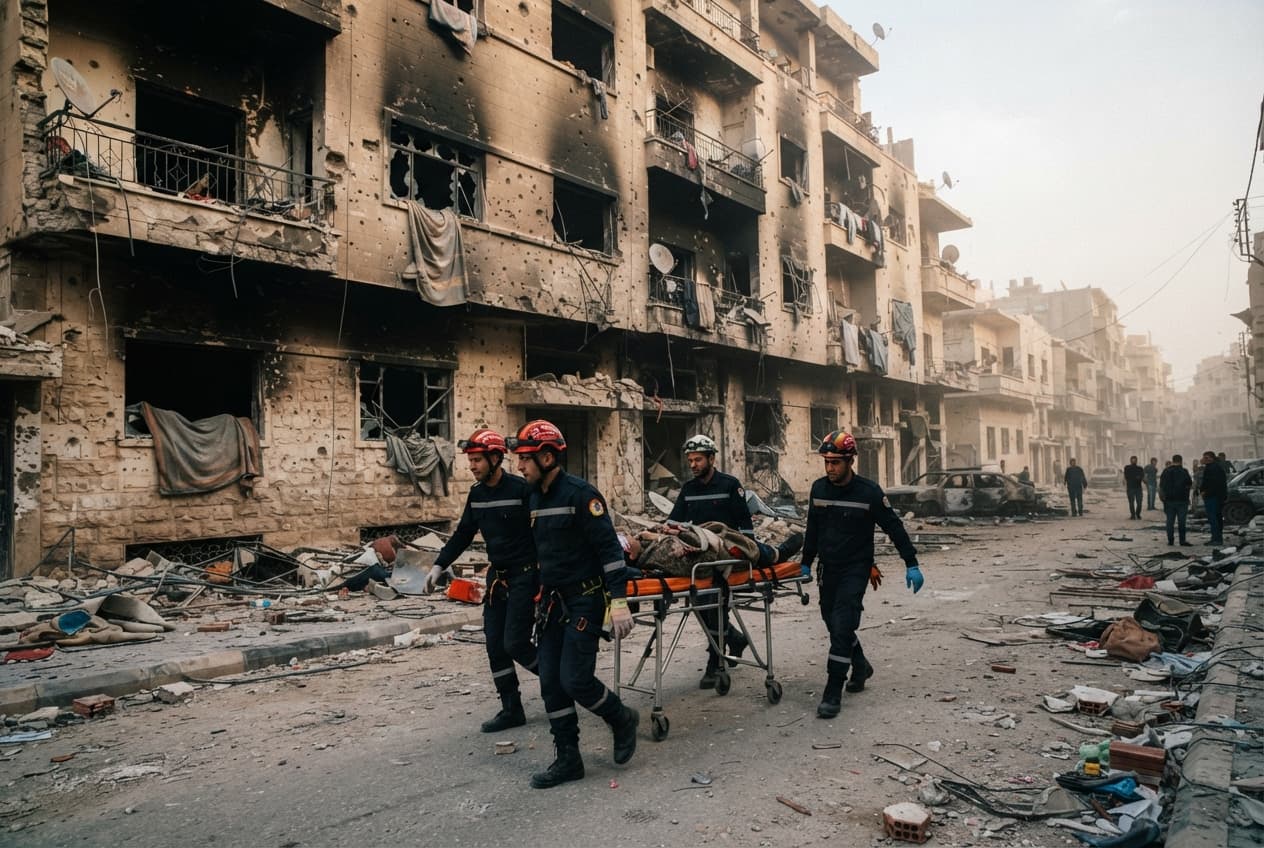
Article On a quiet January morning in Minneapolis, where the stillness of winter often seems to hold its breath, the rhythm of ordinary life was interrupted by another headline that brought a collective pause. It was in this cold light, beneath gray skies, that a local man — known to friends and family for his work tending to the sick and weary — was fatally shot by federal agents. The moment, vivid and stark in the city’s memory, was a reminder that even in places defined by community and care, tragedy can arrive unbidden.
The man, identified by relatives and local officials as Alex Jeffrey Pretti, was a 37-year-old ICU nurse from south Minneapolis, a U.S. citizen who spent his days caring for veterans in the corridors of the Minneapolis VA Health Care System. He was described by colleagues and loved ones as compassionate, committed, and always ready to help. His death on January 24 — the second fatal shooting involving federal law enforcement in Minneapolis this month — deepened already raw tensions in a city where many have watched with unease as federal immigration enforcement operations unfolded.
According to federal authorities, the encounter escalated when agents conducting an operation said Pretti approached them with a handgun and resisted efforts to disarm him. Officials maintained that defensive force was used. But that account was met with skepticism by local leadership and community members. Video footage circulated in the hours after the shooting appeared to show Pretti holding a cellphone, not a weapon, moments before the confrontation. This discrepancy has fueled concern and debate around the handling of the incident and about transparency in federal law enforcement actions.
City officials, including Minneapolis’s police chief and Minnesota’s governor, have expressed frustration with the federal response — both in terms of communication and cooperation. Requests from state investigators to access the scene were reportedly blocked, leaving local authorities and families seeking answers. The absence of shared information has heightened calls for increased oversight and a full, independent investigation.
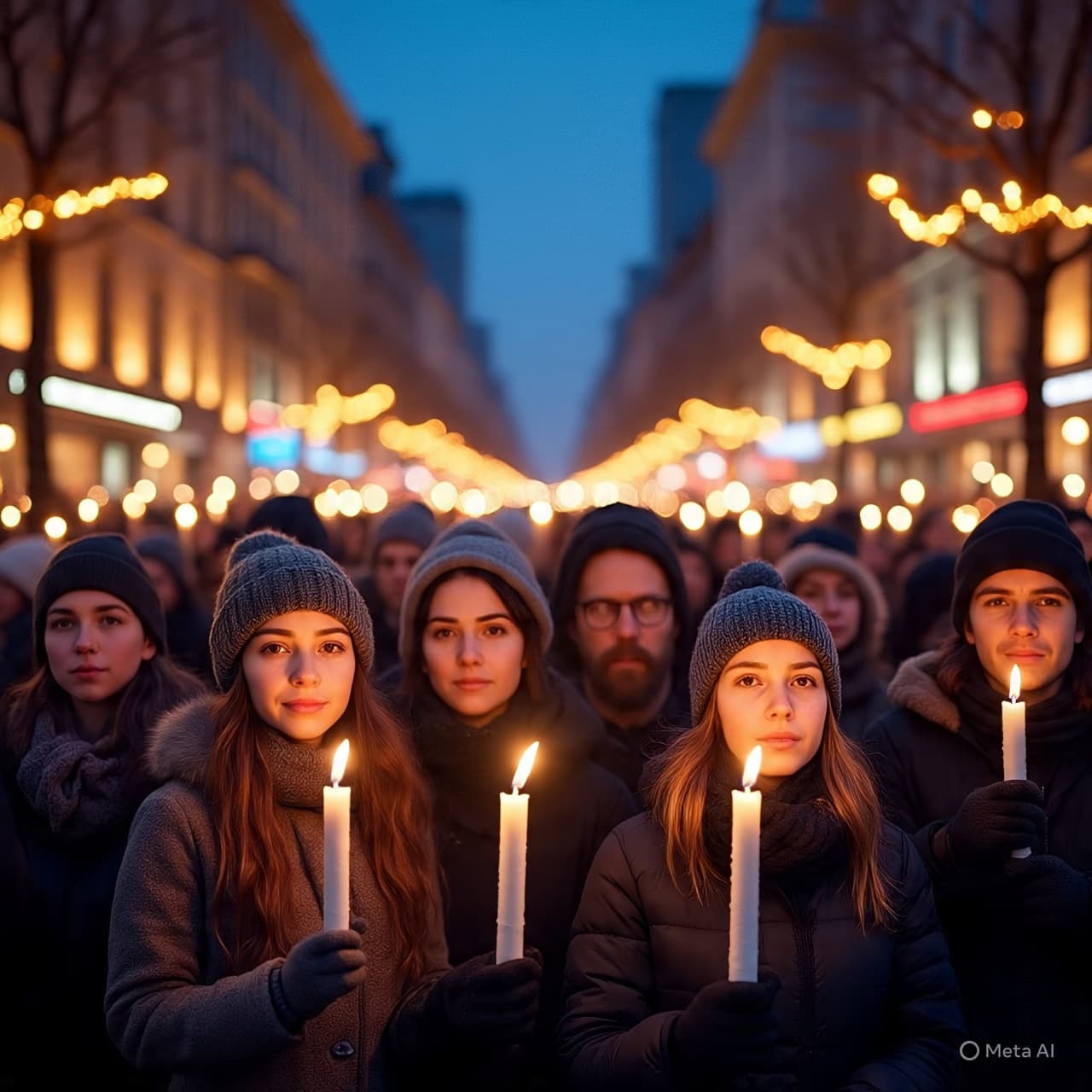
In the hours that followed, hundreds gathered near the site of the shooting. Residents and activists — braving subzero temperatures — lit candles, raised voices, and shared memories of a neighbor taken too soon. For many, the grief of the moment was compounded by broader questions: about the role of federal operations in their city, about when force is justified, and about how communities and authorities might better bridge the fractures that have grown so visible.
As the sun dipped below the winter horizon, Minneapolis carried on — a city finding its way through sorrow, insistently seeking clarity while holding onto the thought that every life, like every community, deserves both dignity and truth.
AI Image Disclaimer Visuals are created with AI tools and are not real photographs.
Sources for this article: Star Tribune Associated Press News The Guardian PBS NewsHour Reuters
Published by Banx Network. This article is part of the Banx decentralized media programme, powered by the BXE token on the XRP Ledger.